Data-driven GEO in practice
In the era of classic search engine optimization (SEO), data sources were confined to simple click-through (CTR), impression, and ranking reports locked inside Search Console and Analytics dashboards.

In the era of classic search engine optimization (SEO), data sources were confined to simple click-through (CTR), impression, and ranking reports locked inside Search Console and Analytics dashboards. Today, as the search experience evolves into "answer engines" and Gartner projects traditional search volume to drop 25 percent by 2026, organic visibility can no longer be measured by "rankings" alone. In this new ecosystem dominated by AI Overviews (formerly SGE) and large language models (LLMs), success depends on how "accurate" and "trustworthy" a source your brand appears to AI.
GEO-focused data architecture and "Share of Model" analysis
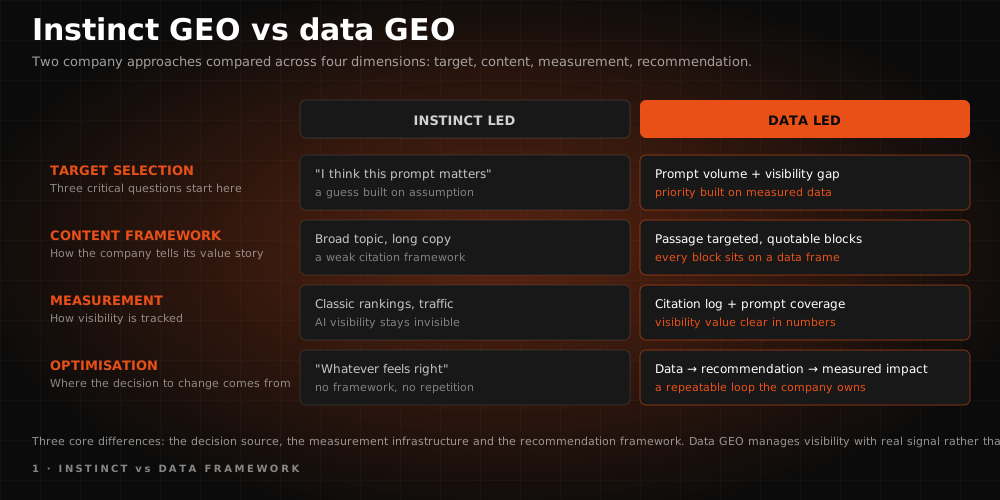
With the rise of GEO (Generative Engine Optimization), the metrics worth tracking have changed radically. What matters now is not just the traffic reaching a website, but what AI systems such as ChatGPT, Perplexity, Claude, and Google Gemini say about your brand: "brand sentiment" and "citation frequency" are critical.
Traditional analytics tools (such as GA4) fall short here. In this gap we observed at Webtures, monitoring and analyzing brand visibility across different AI models from a single hub became a necessity. Brantial, the platform we built to meet that need, makes a brand's "Share of Model" data transparent. Going beyond classic organic traffic data to measure whether your brand appears as a "recommendation" in AI answers is the foundation of a data-driven GEO strategy.
From intent clusters to "prompt engineering" analysis
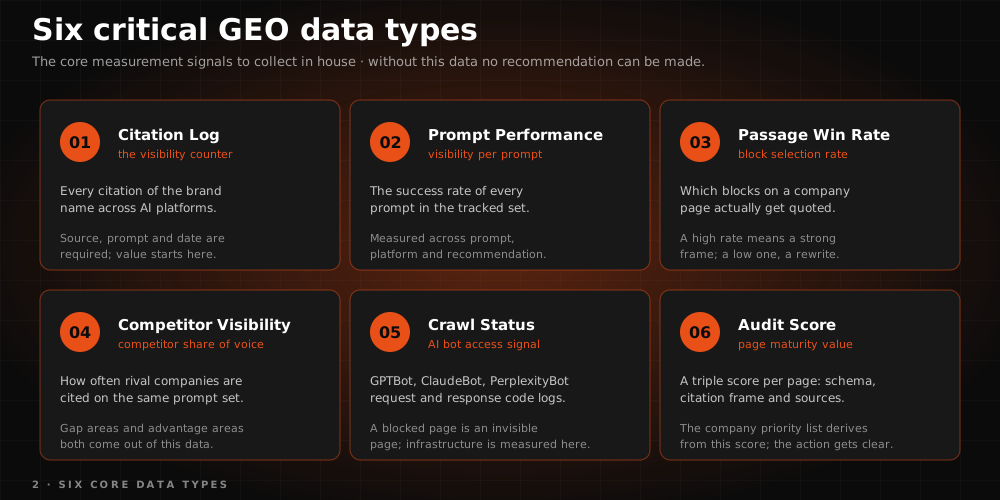
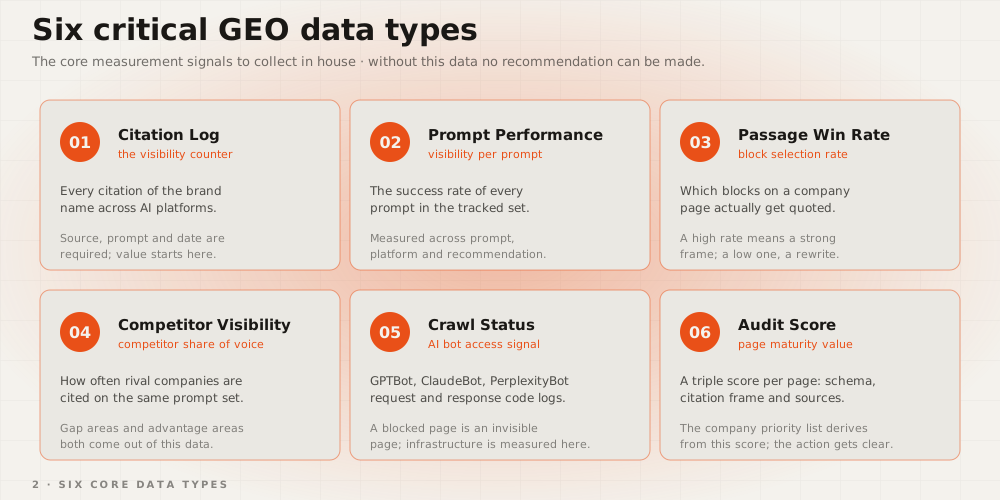
In modern GEO work, segmentation goes far beyond simple demographics. The dialogues users hold with AI assistants are deeper and more layered than classic search queries. The user no longer types "red running shoes" and stops; they enter complex prompts like "Recommend a red training shoe that is good for my knee problems and explain why."
This elevates "intent clustering" to "conversational depth analysis." As AI processes user intent in real time, brands must present their content in a clear, structured, cite-worthy format that fits this dialogue pattern. Webtures strategies map this new user journey so the brand sits at the heart of the answer.
Vector databases and entity optimization
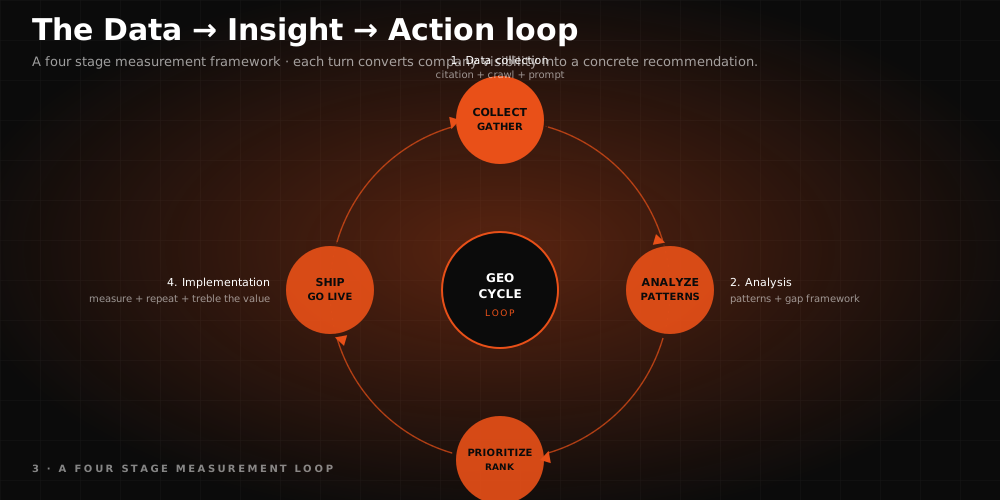
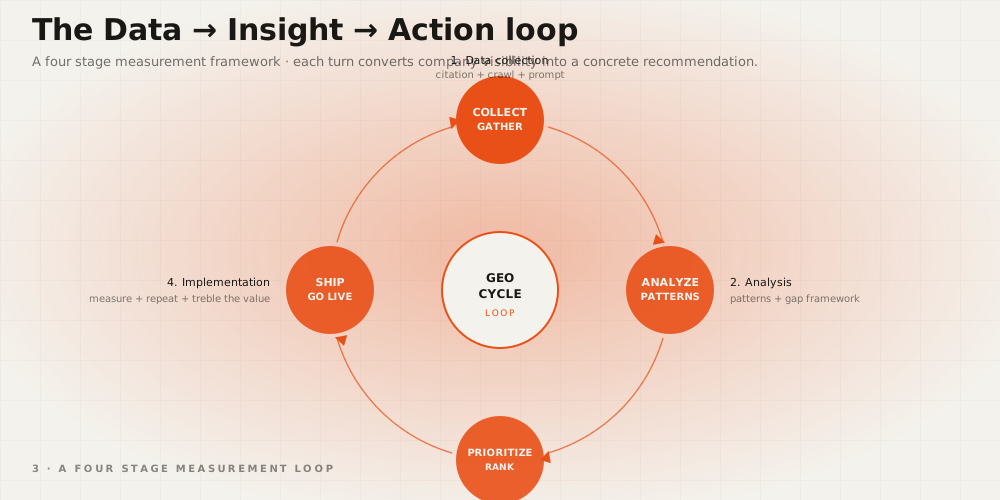
Traditional keyword tracking is losing its validity against the way LLMs work. AI models do not think in words; they think in "vectors" and "entity" relationships. A brand's GEO success depends on how strongly that brand is defined as an authority in the LLMs' knowledge graph.
Our strategy therefore focuses on building "topic authority" rather than chasing individual keywords. Using semantic search technologies and vector databases, we strengthen your brand's relationship with the concepts of its industry. Content is made to serve an entire "ecosystem of facts," not a single keyword. The goal is that when AI looks for an expert view on a topic, it treats your brand's digital assets as the "source of truth."
Multi-modal signal management and trust building
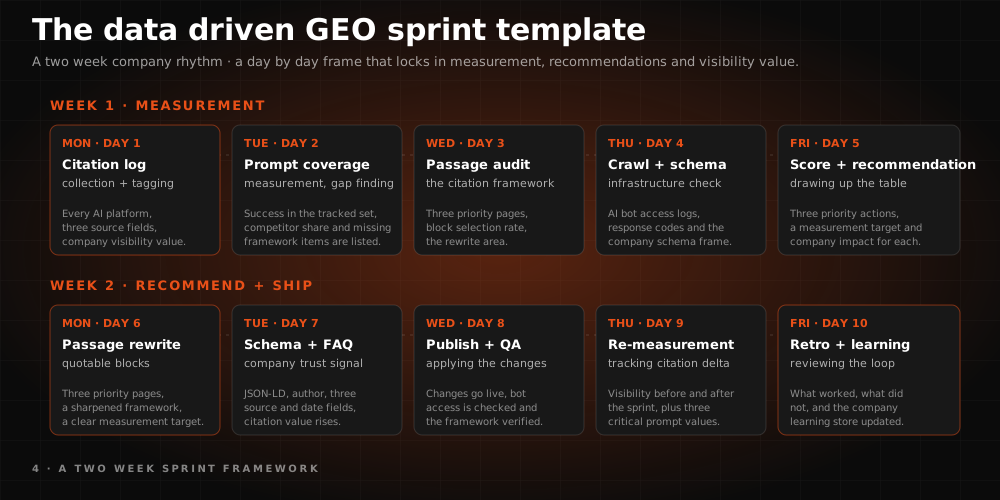
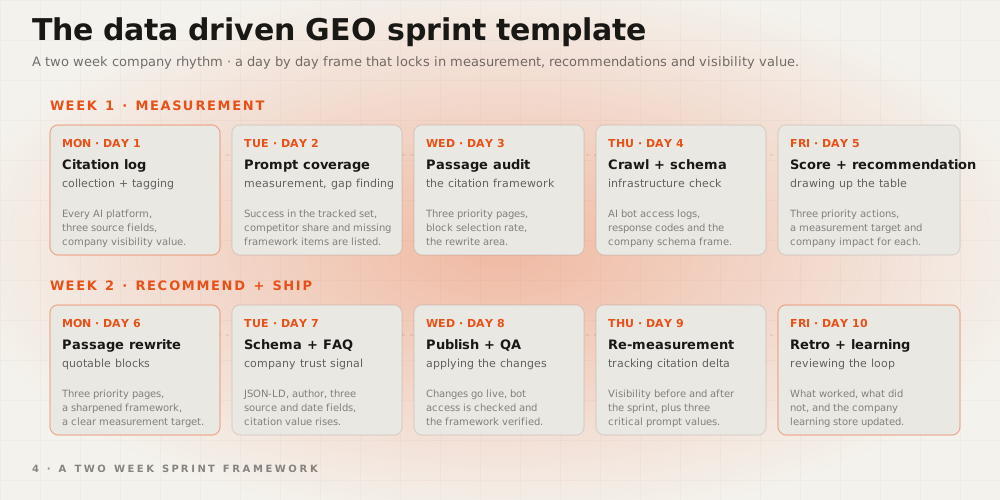
Search engines and AI assistants no longer just read text; they analyze images, listen to videos, and scan PDF documents. Google's AI Overviews algorithms and OpenAI's models assess content quality through "experience signals."
In the GEO world, "signal optimization" means making a brand's entire digital footprint (YouTube videos, podcast transcripts, technical whitepapers, and visuals) understandable and processable by AI. Analyses run through Brantial reveal which content format earns more references in which AI model, letting you direct resources to the right channel (for example, data-driven reports for Perplexity, visual richness for Gemini).
GEO automation and "agentic" workflows
In data-driven GEO work, automation has moved past manual processes into "agentic" workflows. Manually tracking constantly shifting AI algorithms and the millions of new prompt variations generated every day is impossible.
Thanks to modern Python and API-based pipeline designs, your brand's reputation in the AI world should be monitored around the clock. Brantial's automation capabilities detect whether AI is "hallucinating" about your brand (producing false information) and enable intervention through real-time alerts. In heavily regulated industries such as finance and healthcare, this is not a "nice-to-have" but an operational requirement for protecting brand safety.
The zero-click future and next-generation KPIs
The ultimate goal of AI Overviews and GEO strategies is to ensure users engage with your brand and receive its message even without clicking through to your website. In the "zero-click" world, success is measured by the space you occupy in the AI answer box (AI Overview) rather than the traffic reaching your site.
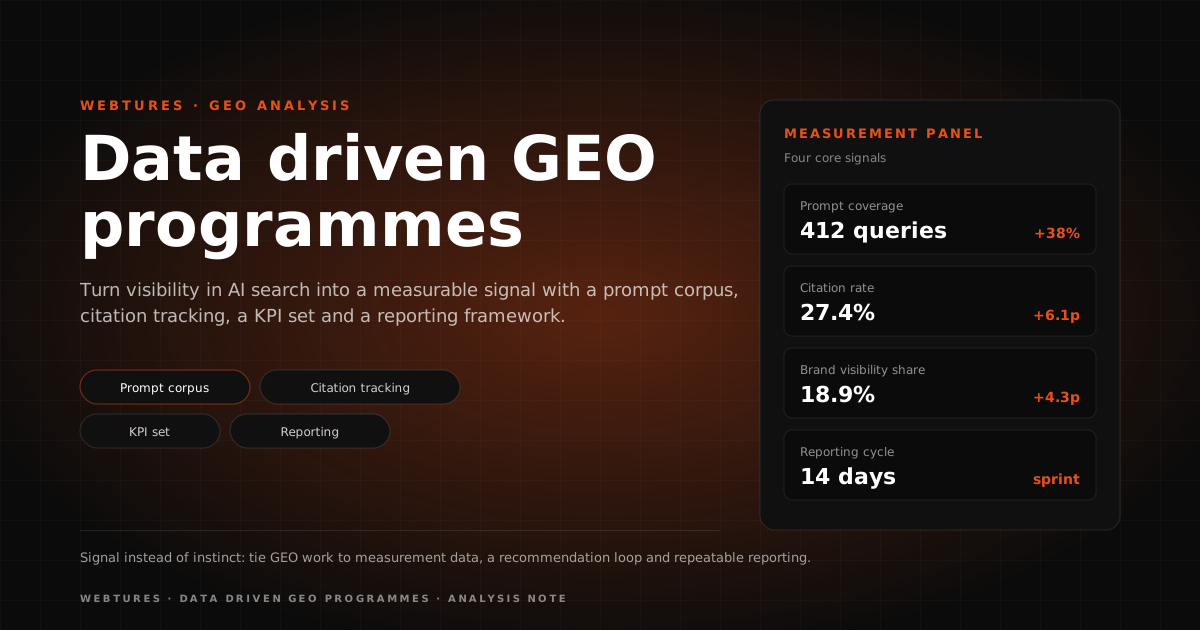
The KPI sets we focus on at Webtures in this new era are:
- Visibility Share: How often AI recommends your brand for industry queries.
- Citation Rate: How frequently source links belonging to your brand appear inside answers.
- Sentiment Score: The positivity and trust level of the language AI uses when mentioning your brand.
Visualizing this data on advanced dashboards like Brantial lets marketing teams move past the fear of "traffic loss" and focus on the gain of "qualified engagement." The future will be shaped not by how many people visit your site, but by how many people AI recommends you to.