What is FAQ structured data and how do you use it?
Google once used FAQ and How-to structured data to deliver richer listings in search results. The structured data ecosystem has changed since then.

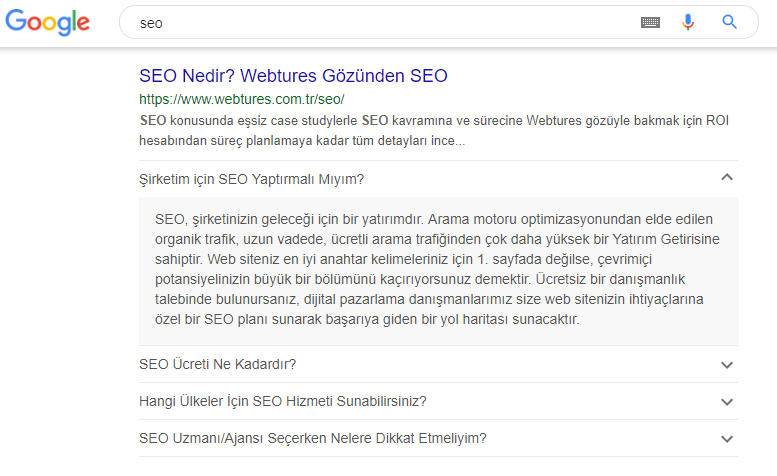
Google once used FAQ and How-to structured data to deliver richer listings in search results. The structured data ecosystem has changed since then. The FAQ rich result was first restricted to a small set of trusted government and health sites, then retired as a visible feature in Google Search results. As a result, FAQ markup should no longer be treated as a way to occupy more SERP space or boost click-through rates. Its value today lies in making content easier to understand, answering user questions in an organized way, and keeping pages readable for AI-powered systems.
What does FAQ mean?
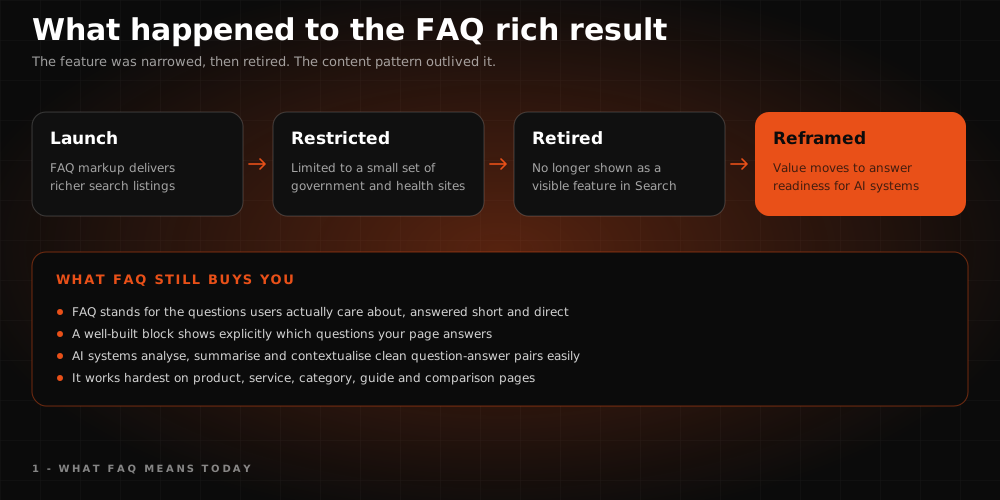
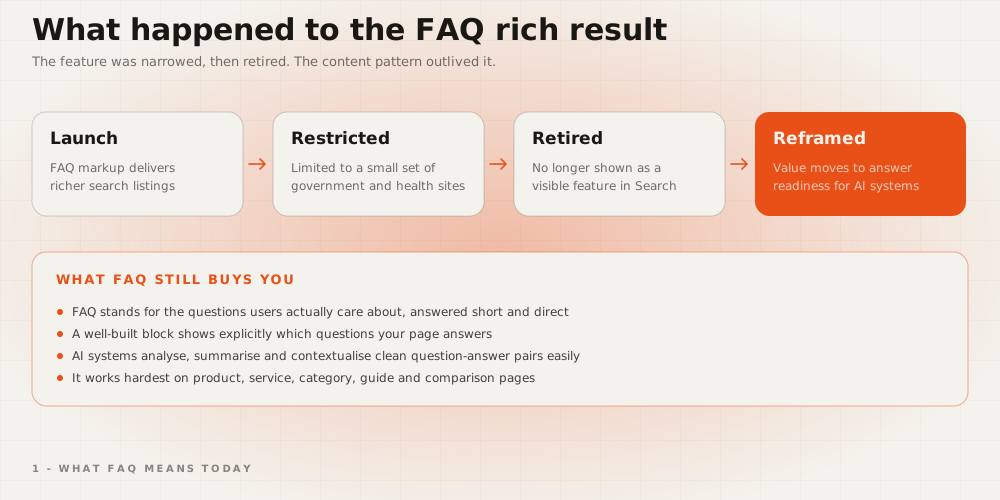
FAQ stands for Frequently Asked Questions. It presents the questions users care about most on a page, with short, clear, direct answers. Beyond improving user experience, a well-built FAQ section makes content more organized, crawlable, and answer-oriented.
From a GEO and AI search perspective, FAQ sections matter because they show explicitly which questions your content answers. AI-powered systems can analyze, summarize, and contextualize well-structured question-and-answer blocks far more easily.
How should FAQ sections be approached today?
FAQ sections should no longer be built solely to earn a rich result appearance in Google. The right approach is to identify the questions users actually ask, answer them in a way that aligns with the page content, and present those answers within a clear information architecture.
FAQ sections work especially well on product, service, category, guide, and comparison pages, where they reduce user hesitation. They can also make it clearer to AI-powered answer systems which topics a page covers with authority.
How can you create FAQ structured data?
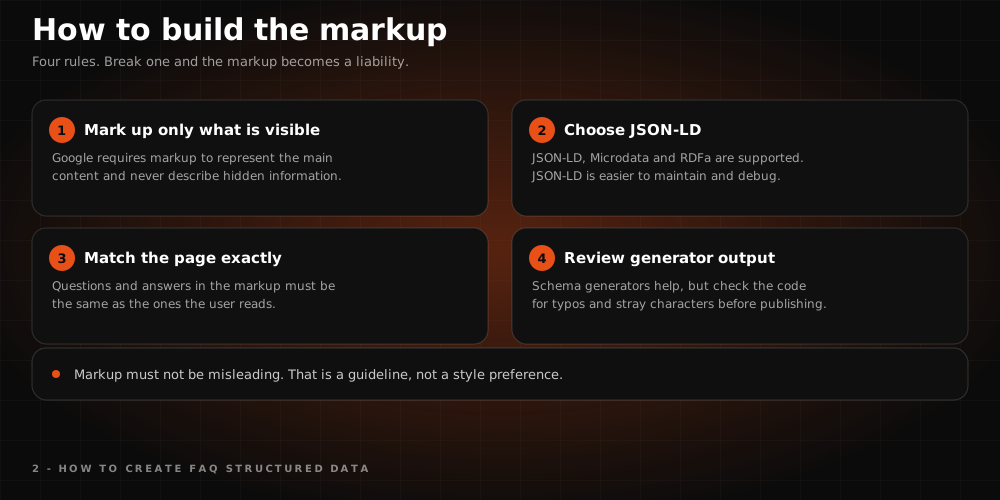
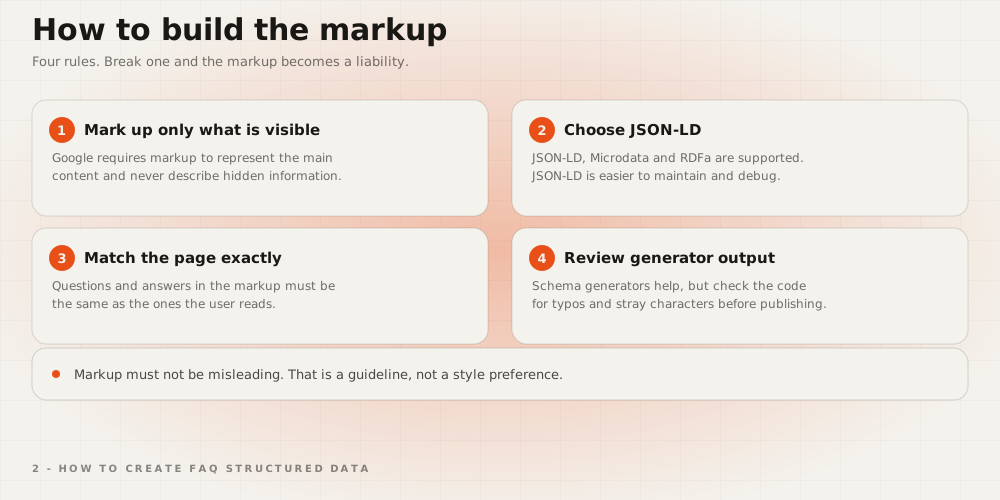
When creating FAQ structured data for your page, mark up only the questions and answers that actually appear on it. Under Google's general structured data guidelines, markup must represent the main content of the page, must not be misleading, and must not describe information invisible to the user.
On the implementation side, the most practical approach is JSON-LD. Google supports JSON-LD, Microdata, and RDFa formats for structured data, but where applicable, JSON-LD is easier to maintain and debug.
If you would rather not work with code directly, several schema generator tools can help. Always review the generated code before publishing, and make sure the questions and answers match the visible content on the page exactly.
How can I test my markup?
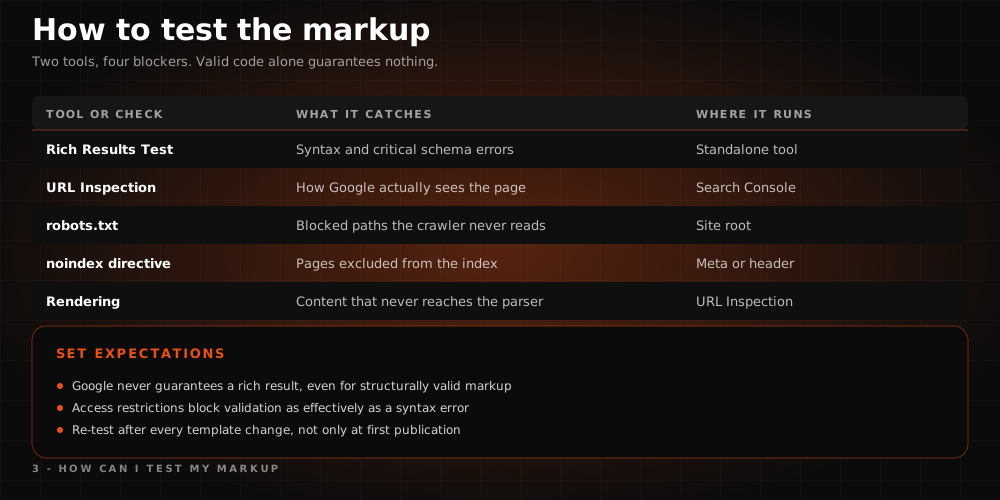
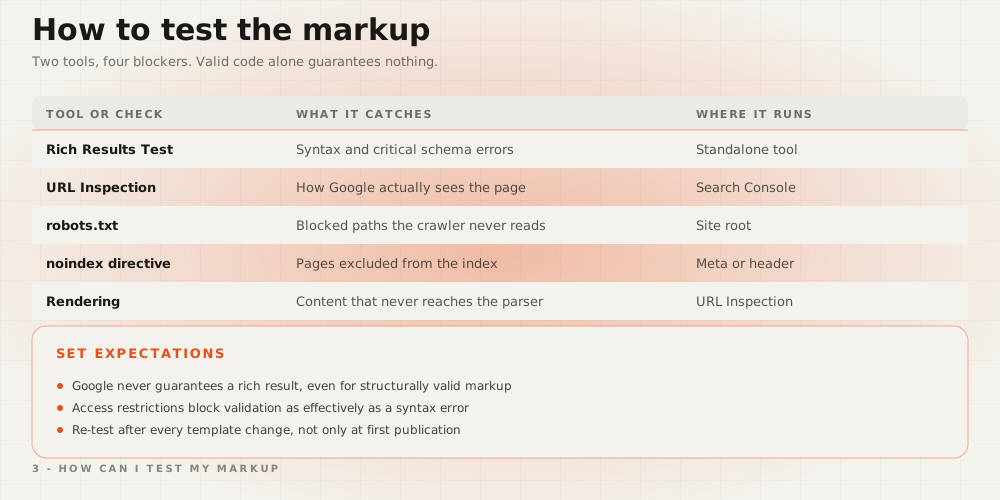
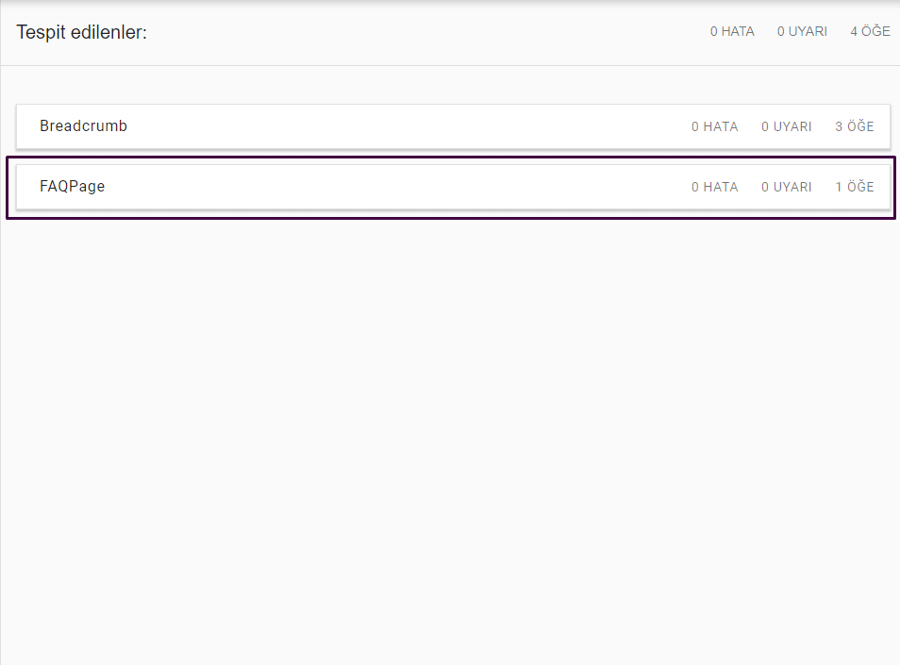
After adding the code to your page's source, run it through the Rich Results Test to check for technical problems. The test surfaces critical errors across supported structured data types.
You should also use the URL Inspection tool in Search Console to check how Google sees the page. Make sure the page is not blocked by robots.txt, a noindex directive, access restrictions, or rendering problems. Even with valid structured data, Google never guarantees that any rich result will be shown.
How does FAQ markup affect clicks and visibility?
While the FAQ rich result was still visible, some pages saw a positive effect on click-through rates because their search listings took up more space. In the current landscape, positioning FAQ markup purely as a CTR tool no longer makes sense.
The real value of an FAQ section today is that it answers user questions clearly on the page, raises content quality, and creates answerable information blocks for AI-powered systems. Treat FAQ as a strategic content component for GEO, answer readiness, user intent, and source selection.
Structured data alone does not drive visibility. Built correctly, it helps make the page easier to understand, improves user experience, and helps different search and answer systems interpret the content more accurately.
What to watch out for with FAQs
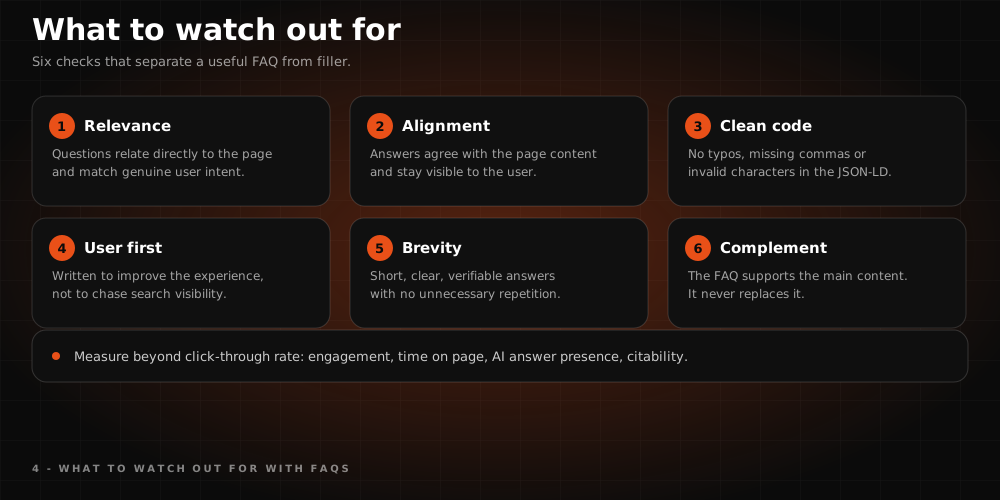
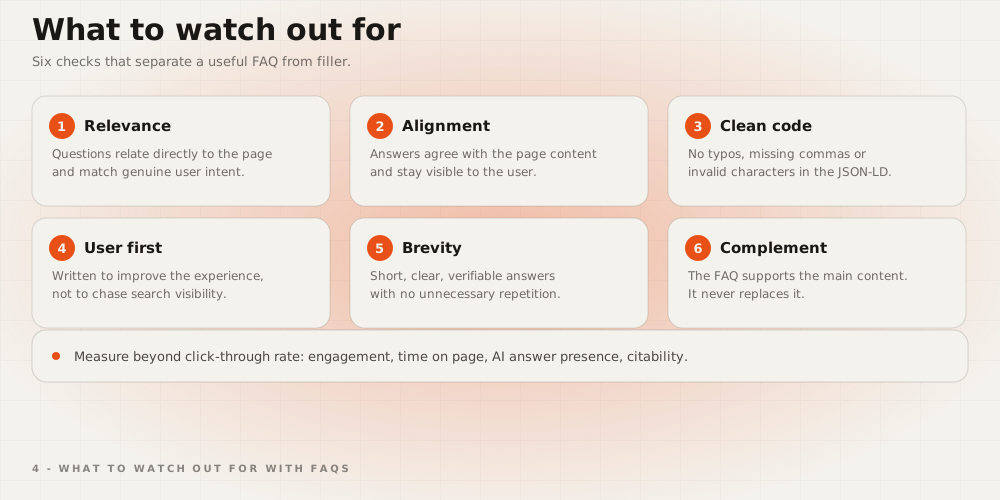
- Choose questions that relate directly to the page and genuinely match user intent.
- Answers in the FAQ section must align with the page content and be visible to the user.
- When writing the JSON-LD, check for typos, missing commas, invalid characters, and copy-paste errors.
- Write FAQ questions to improve the user experience, not just search visibility.
- Keep answers short, clear, verifiable, and free of unnecessary repetition.
- The FAQ section should complement the main content of the page, never replace it.
- When measuring performance, look beyond click-through rate to user engagement, time on page, conversion behavior, representation in AI answers, and citability signals.