GEO Content Updates: Which Pages Should Be Revised First?
Prioritize the right pages for GEO content updates. Learn which pages to revise first using authority, answer potential, and AI visibility data.

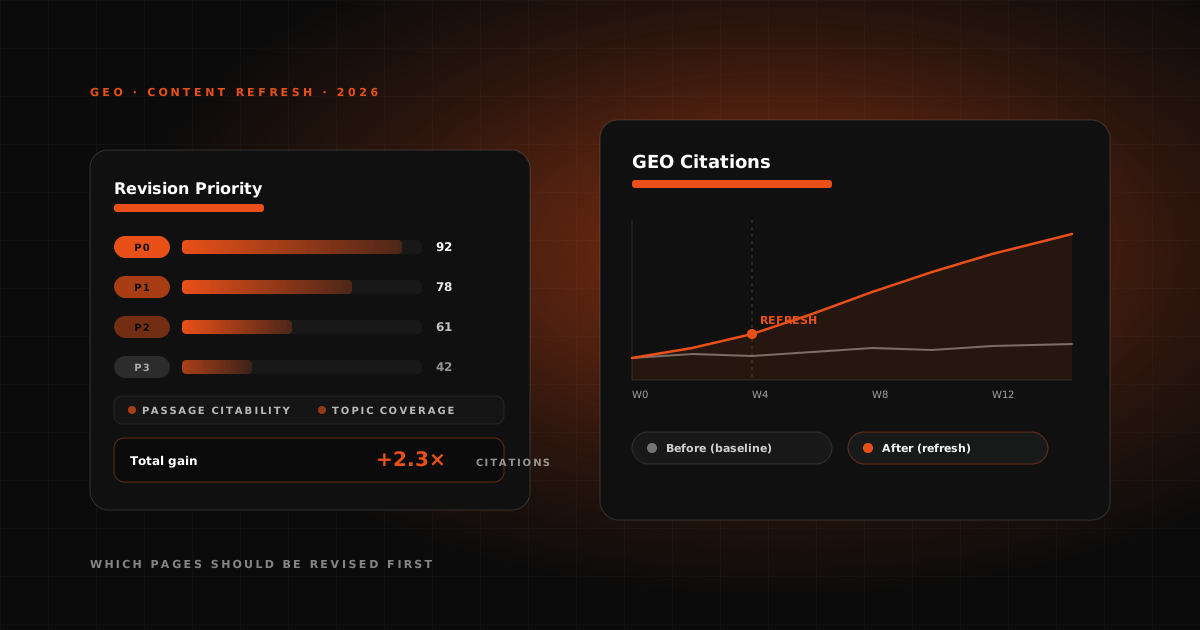

GEO (Generative Engine Optimization) differs from classic SEO in that it focuses not just on rankings but on visibility and citation potential inside AI models. A content update strategy should therefore be built around the likelihood of being used by AI rather than raw traffic potential. When prioritizing, evaluate each page's current authority, content depth, entity clarity, and capacity to produce answers. AI systems tend to favor content that is clear, well structured, and contextually strong. That turns the update process from a rewrite into a repositioning exercise. Informational pages, comparison content, and decision-support pages carry the highest GEO value. Rather than updating everything at once, start with the pages that have the greatest impact. You gain visibility in the short term while strengthening your long-term content architecture.
What is the goal of content updates from a GEO perspective?
The core goal of updating content for GEO is to make it easier for AI models to understand, segment, and reuse. Simply adding more content is not enough; the content needs to be semantically strengthened. AI systems evaluate a page not just through keywords but through context, entity relationships, and content coherence. During updates, make sure content answers explicit questions, each paragraph carries standalone meaning, and topical integrity is preserved. Content should also be supported with current data, clear definitions, and concrete examples. This way, content is optimized not only for search engines but directly for AI answer systems. The page evolves from a traffic asset into a cited knowledge source.
How classic SEO updates differ from GEO updates
Classic SEO updates typically revolve around keyword density, meta tags, and technical fixes. GEO updates have an entirely different focus: content meaning, contextual clarity, and answerability come first. In classic SEO, a piece is often optimized by making it longer; in GEO, it is optimized by making it clearer and more usable. Classic SEO measures success through traffic growth, while GEO tracks citation counts, visibility, and presence in AI answers. Updates should therefore aim beyond rankings and consider how AI models will actually use the content. This distinction fundamentally changes the content strategy and demands a more deliberate approach.
The core criteria to use when prioritizing
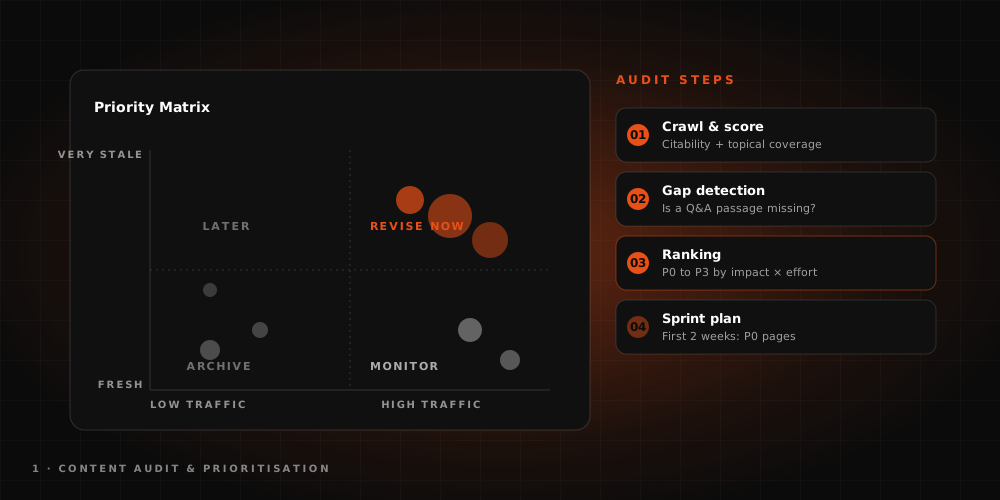
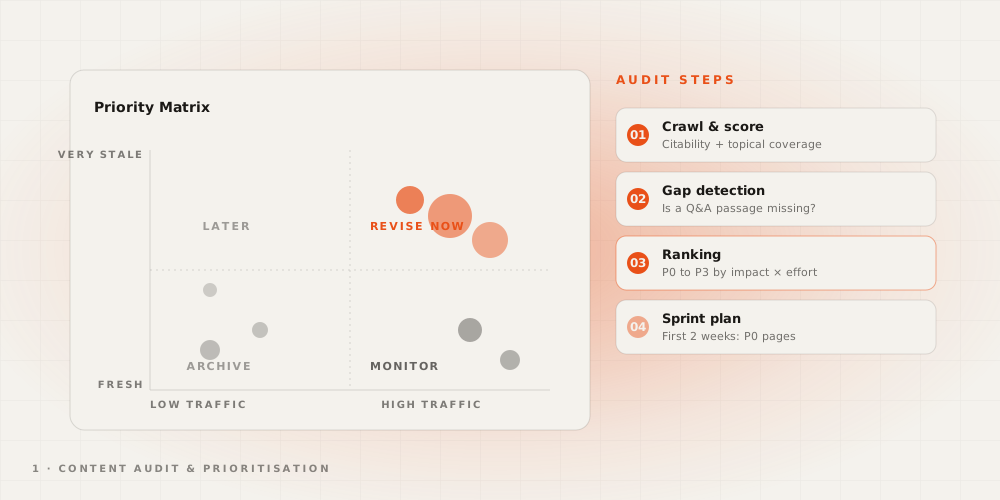
The most critical step in a content update program is correct prioritization. Instead of updating every page at once, rank them against defined criteria: current traffic potential, backlink strength, topical authority, and AI compatibility. Pages that already earn traffic can deliver significant GEO gains from even small updates. Also evaluate each page's answer potential: does the content directly answer user questions? Are entities clearly defined, and can the content be connected to other sources? Prioritizing against these criteria uses resources more efficiently and maximizes the impact of every update.
Analyzing traffic, authority, and AI visibility data together
Looking at traffic data alone can be misleading in a GEO strategy. A page with low traffic may still be cited frequently by AI models. Traffic, authority, and AI visibility data must be analyzed together. A page with strong backlinks but outdated content, for example, can regain AI visibility quickly once refreshed. Likewise, low-traffic pages that offer strong knowledge in a niche topic hold real GEO value. During this analysis, examine which queries each piece of content answers and in which contexts it can be used. This lets you prioritize by potential, not just by past performance.
Page types that should be updated first
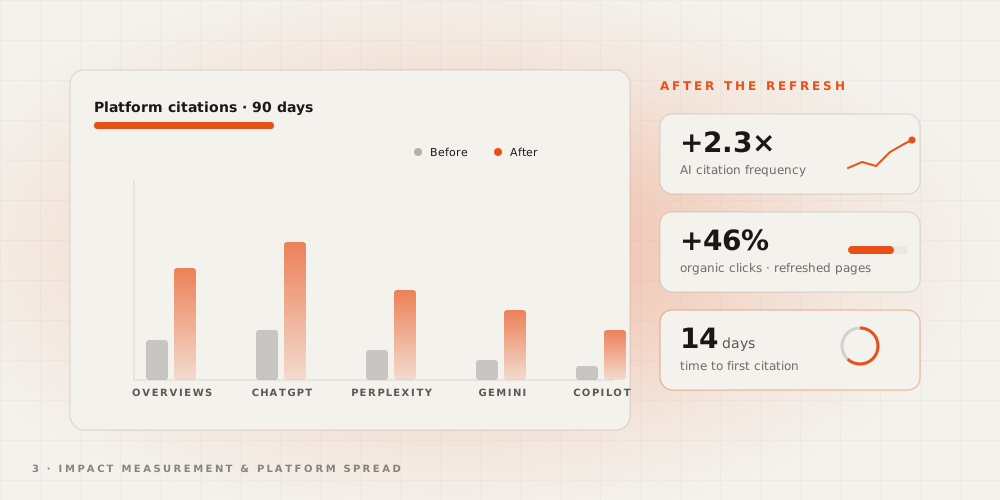
Not all pages carry equal GEO value. Some page types are favored more heavily by AI systems. Guides, comparison pages, and explanatory blog posts deserve the highest priority because they can answer user questions directly. Category pages can also perform well for GEO when structured correctly. Focusing only on product pages is usually not enough, since AI models tend to cite informational content. Priority in the update process should therefore go to pages with high information density that satisfy user intent.
Why blog content and guide pages matter
Blog posts and guide pages are among the strongest components of a GEO strategy. Because they carry detailed information, AI models can easily segment and reuse them. Content built around how-to, definition, and comparison formats has particularly high visibility potential. During updates, restructure these pieces: paragraphs should be clear, headings meaningful, and the content flow logical. Adding examples and real usage scenarios also increases the chance of being picked up by AI. The content ends up optimized not just to be read, but to be cited.
Strategic improvements to make during the update process
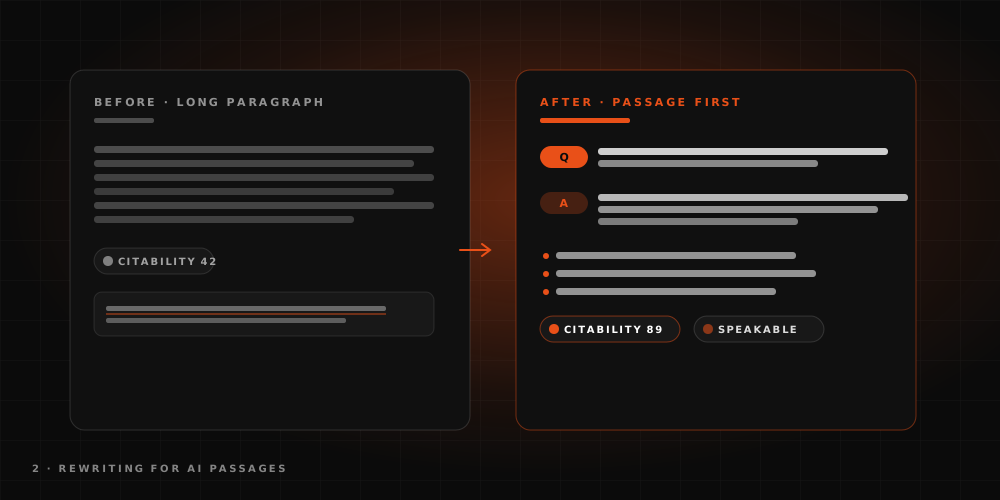
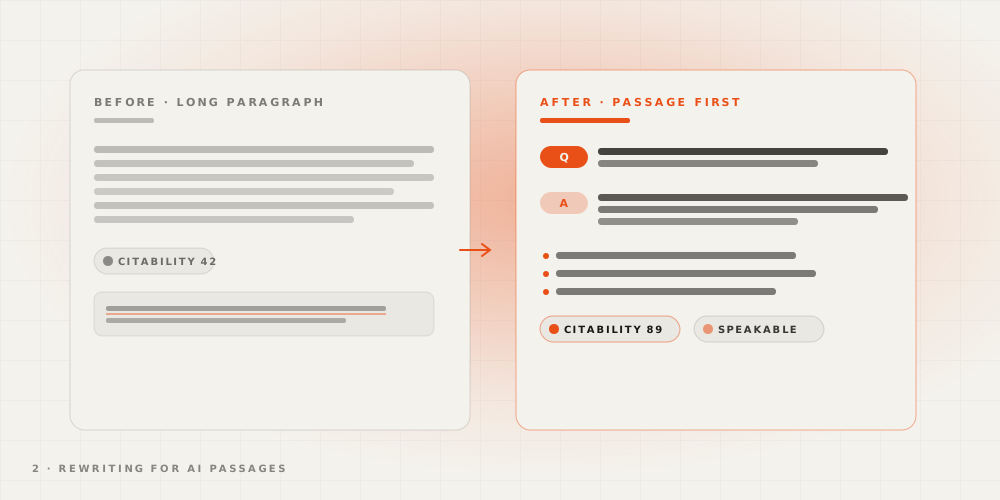
Updating content is not just about adding new text. The process includes restructuring the content architecture, optimizing headings, and establishing semantic coherence. Reshaping content into a question-and-answer format delivers a major advantage. Entities mentioned in the content should be clearly defined and their relationships established. Support the content with current data and remove unnecessary repetition. These improvements make the content more valuable to both users and AI. The goal of the update is not to make the content bigger, but to make it more meaningful and more usable.
Content structure, paragraph clarity, and answerability
AI systems typically process content paragraph by paragraph and generate answers from those paragraphs. Each paragraph should therefore express a single idea clearly. Use plain, direct language instead of long, complex sentences. Build sections that deliver direct answers within the content. This structure helps AI models parse and use the content more easily. Headings should follow the same logic: each heading should cover one clearly defined topic. The approach improves both user experience and AI compatibility.
A continuous update and monitoring model for GEO
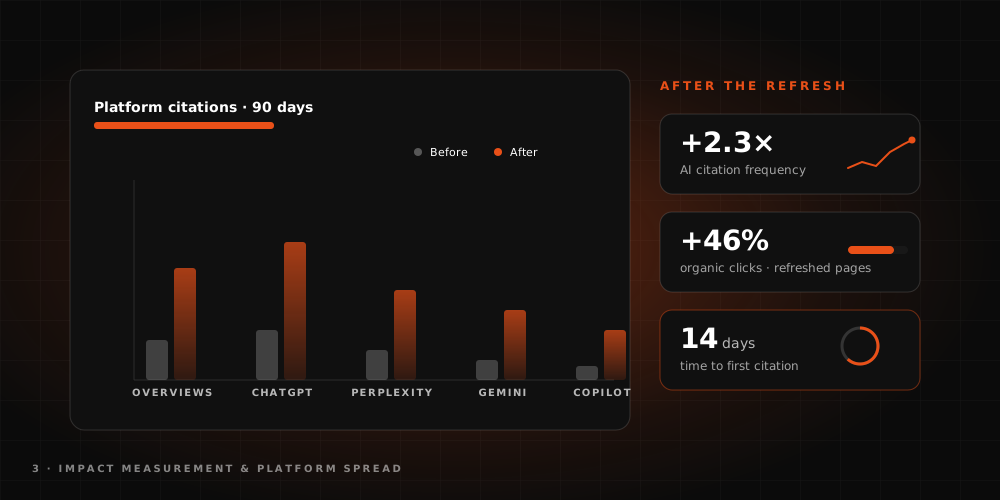
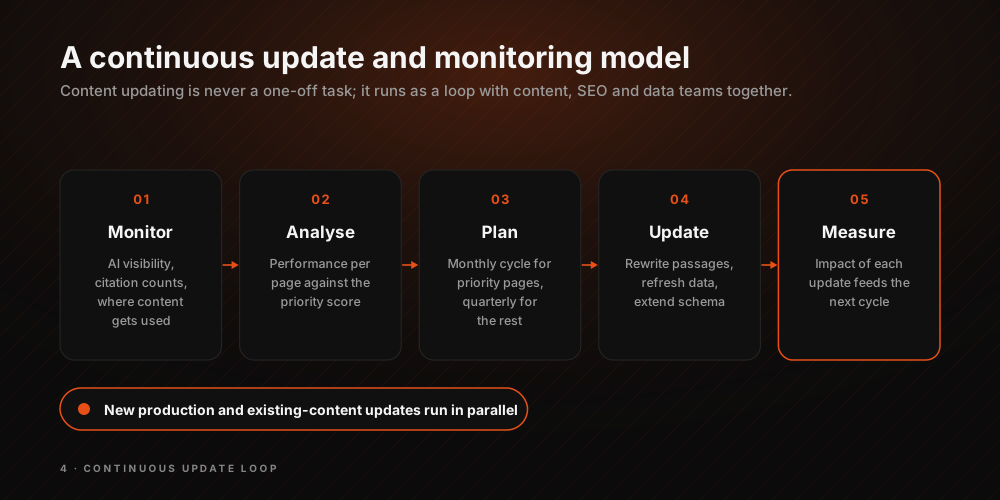
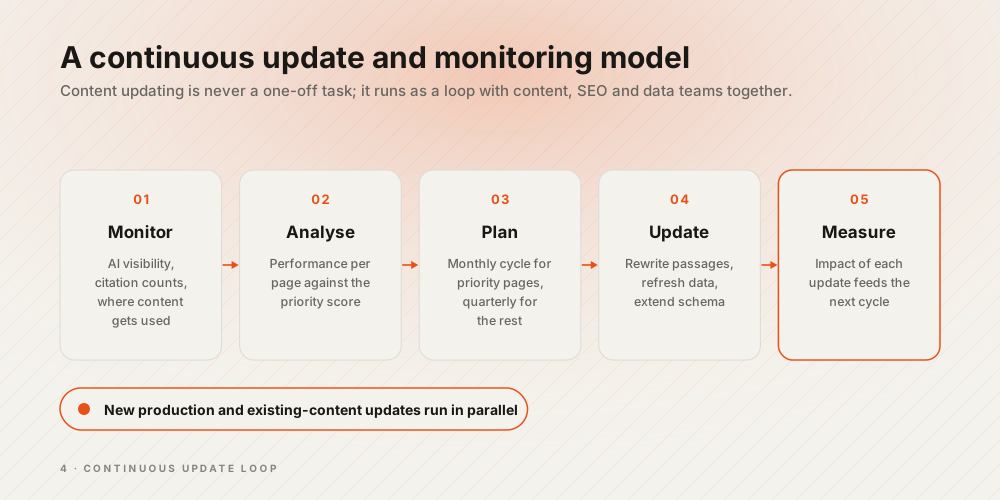
In a GEO strategy, content updating is never a one-off task. It requires continuous monitoring and optimization. Analyze content performance regularly and apply updates as needed, tracking AI visibility, citation counts, and where the content gets used. Refine the content strategy continuously based on that data. New content production and updates to existing content should run in parallel. This approach keeps the content ecosystem getting stronger and earns more citations from AI systems over time.
Content update calendar and operational process
A successful GEO strategy runs content updates on a plan, not at random. Build a defined calendar: high-priority pages might be refreshed monthly, other pages on a quarterly cycle. The process also requires content, SEO, and data teams to work together. Measure the impact of each update regularly and optimize the strategy accordingly. This operational discipline keeps content updates sustainable and builds strong GEO performance over the long term.