How to Increase CTR (Click-Through Rate)
Boost your click-through rate with stronger page titles, meta descriptions, structured data and descriptive URLs that win user attention in Google results.

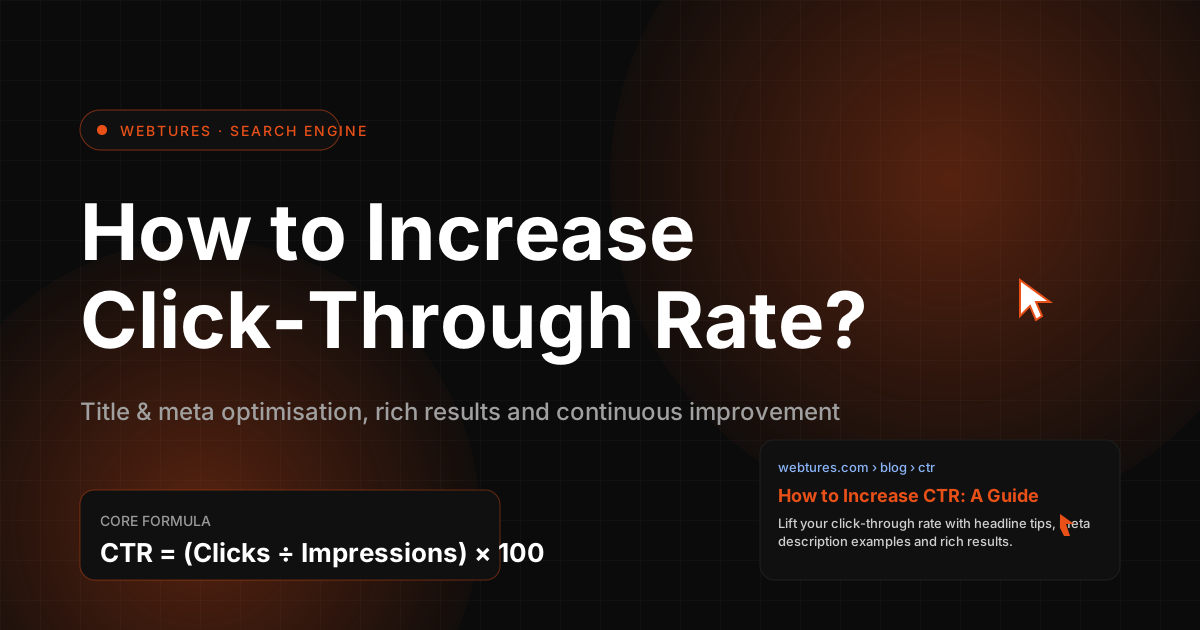
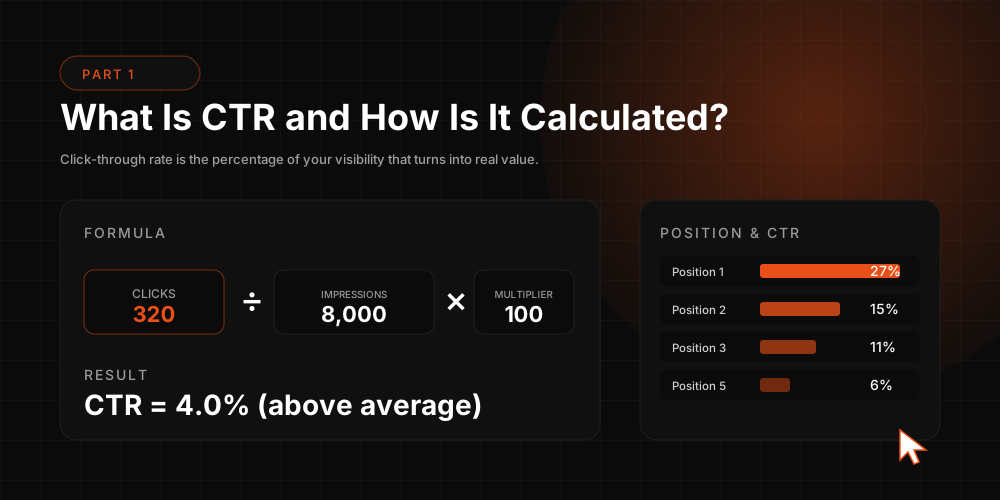
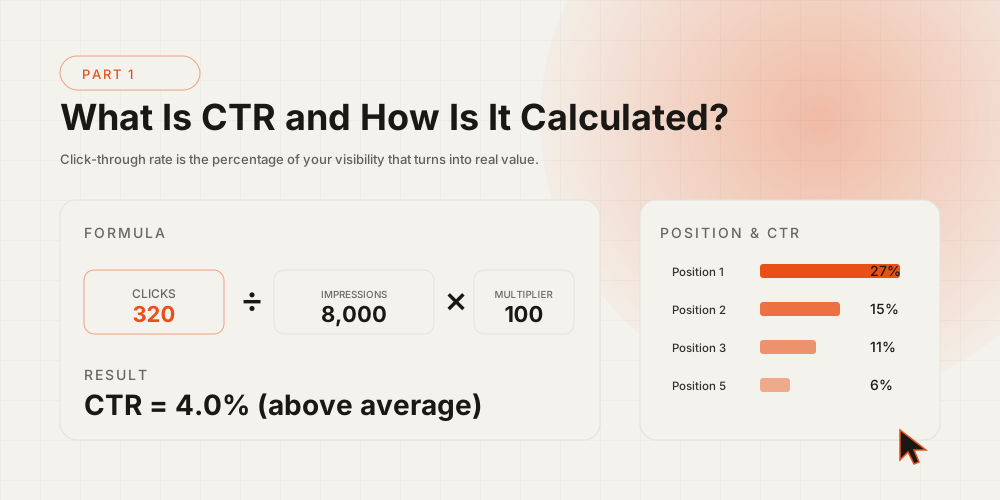
When a user sees your website link in Google search results, it takes them only a moment to judge whether your site meets their needs and to decide whether to click through or move on. Every time users decide to click, your CTR improves, and with it your website's SEO.
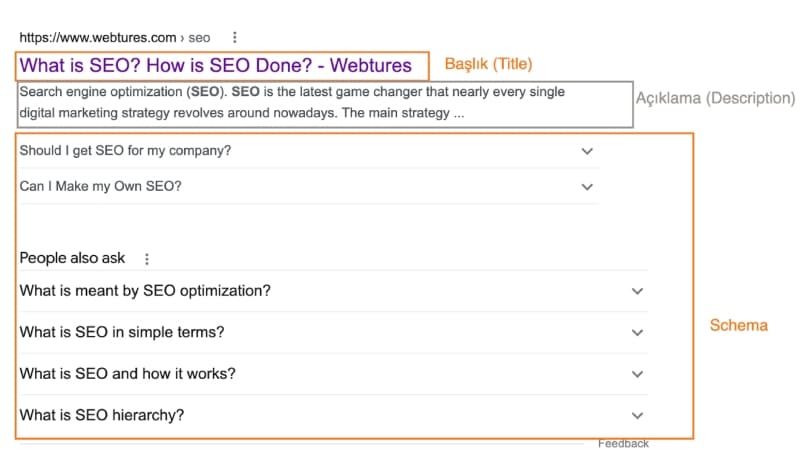
To make a positive impression in that brief moment, you have several areas you can turn into opportunities, including the meta title, the meta description, schema elements, and the URL.
1. The page title tag in search results
The title of every page on your website appears in what is called the page title tag. Search results give a title roughly 60 to 65 characters of usable space, enough to define the page for the user in just a few words.
This tag needs to be compelling for your target audience. What counts as compelling varies with the type of business you run and the search intent of your users. Using words such as "today, new, now, fast, step by step, easy, simple, cheap, free, what, how, and why" in your page title can significantly increase your chances of lifting CTR.

2. Meta description optimization in search results
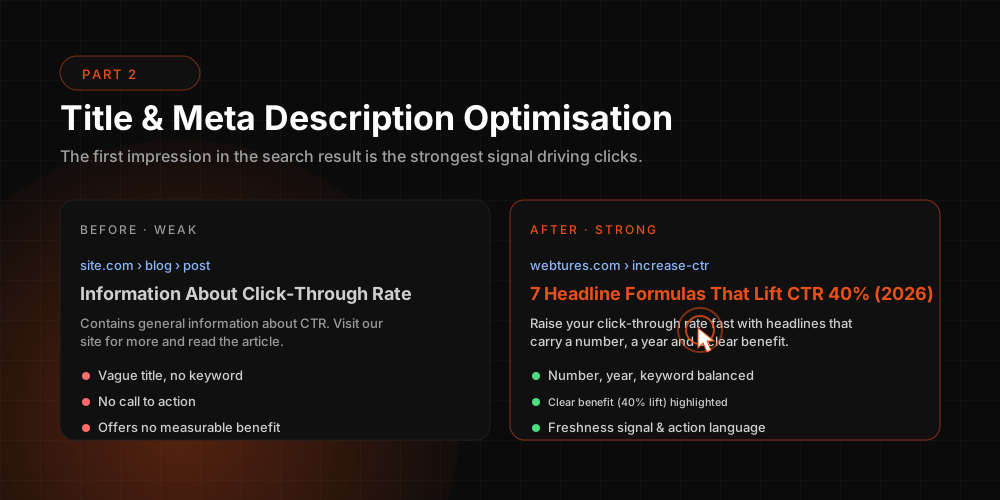
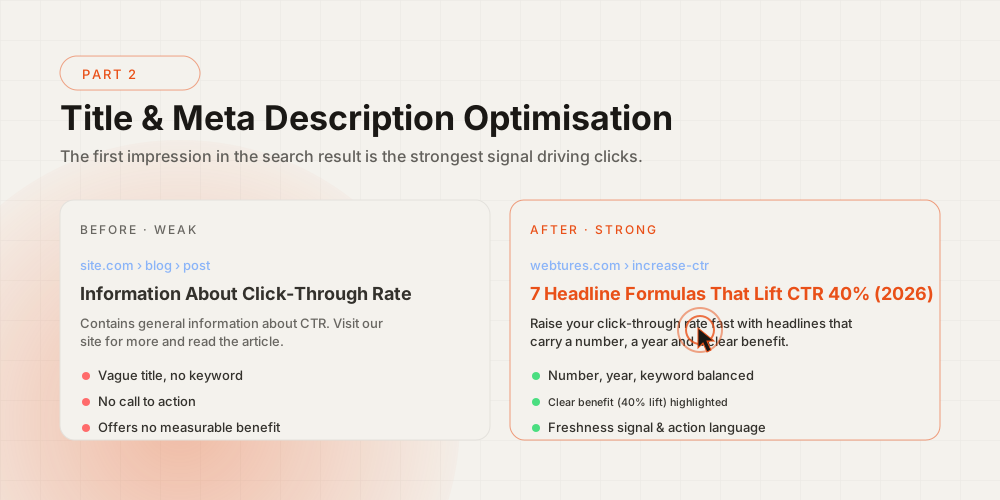
The meta description tag appears in the box beneath the title and gives us more room to express what the page is about. The description typically displays around 155 characters, though depending on pixel width, the phrase searched, or the page's content, Google may show users a shorter or longer snippet.
When writing a meta description, aim to give the user an accurate summary of the page's content, and use compelling phrasing that encourages them to click the link and read the page.
For example, adding "lowest price" or "guaranteed" to a product description increases your chances of being chosen by the user. These claims must, of course, reflect reality. Try to identify the single most important feature that sets your product apart and work it into the description.

3. Using structured data or schema
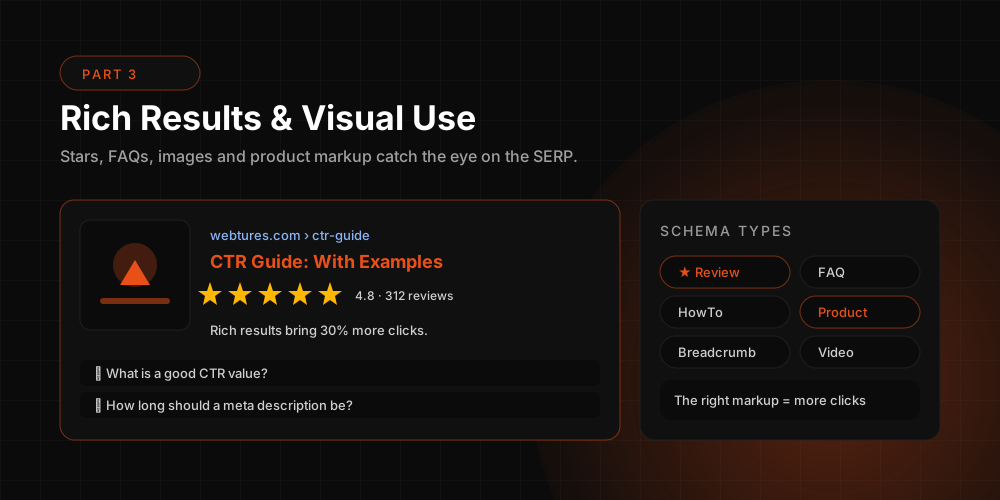
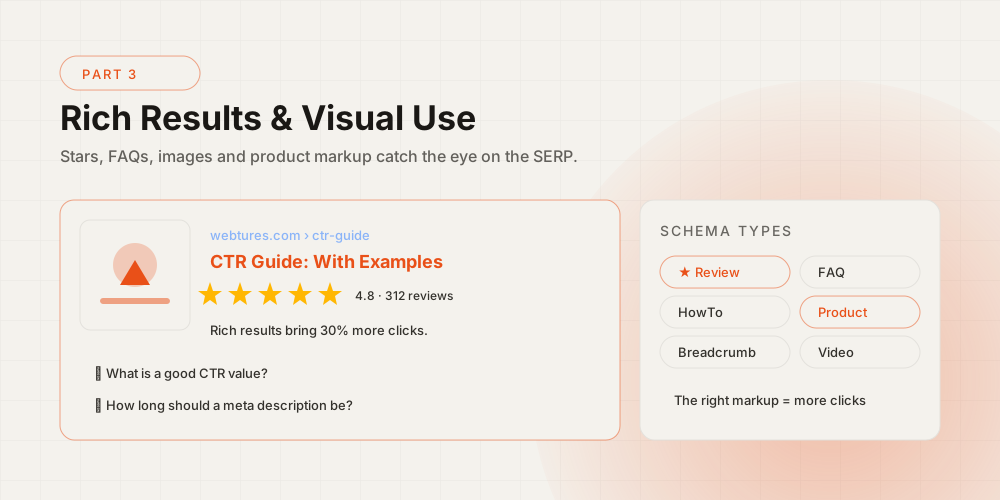
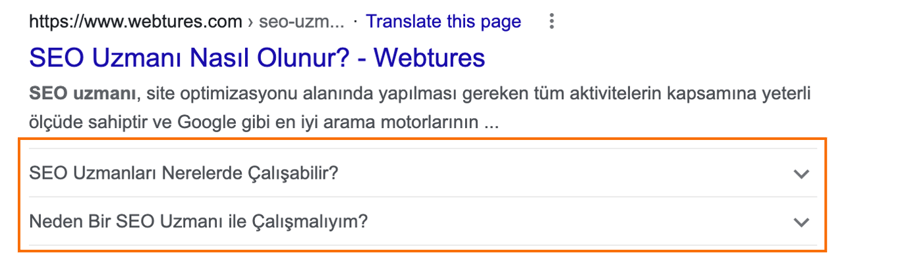
Look closely at Google's search results and you will notice that some websites show extra information beneath the title and description. The most useful structured data type is FAQ. Using this feature helps you catch the user's attention, claim more space for your page on Google SERPs, and as a result increase your CTR.
Keep in mind that structured data markup is not limited to FAQ displays; different models can be used depending on the content type.
4. Using descriptive URLs
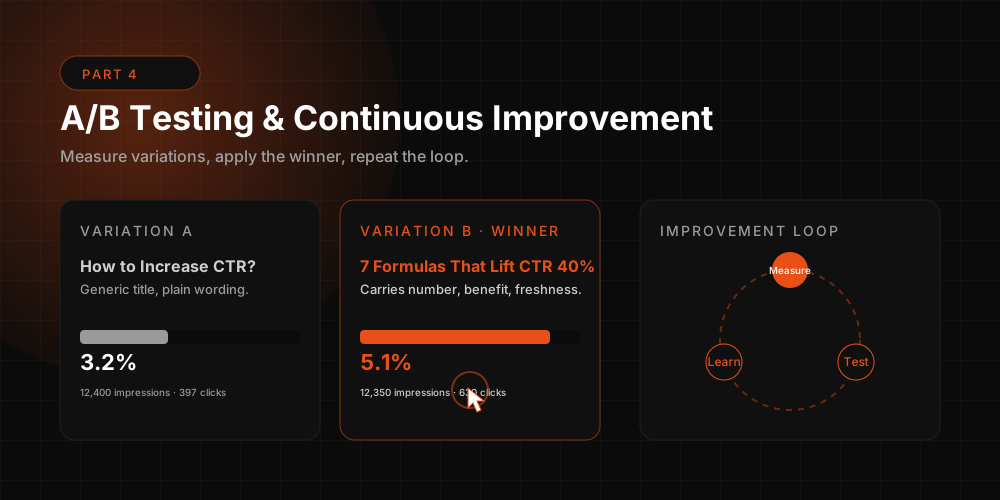
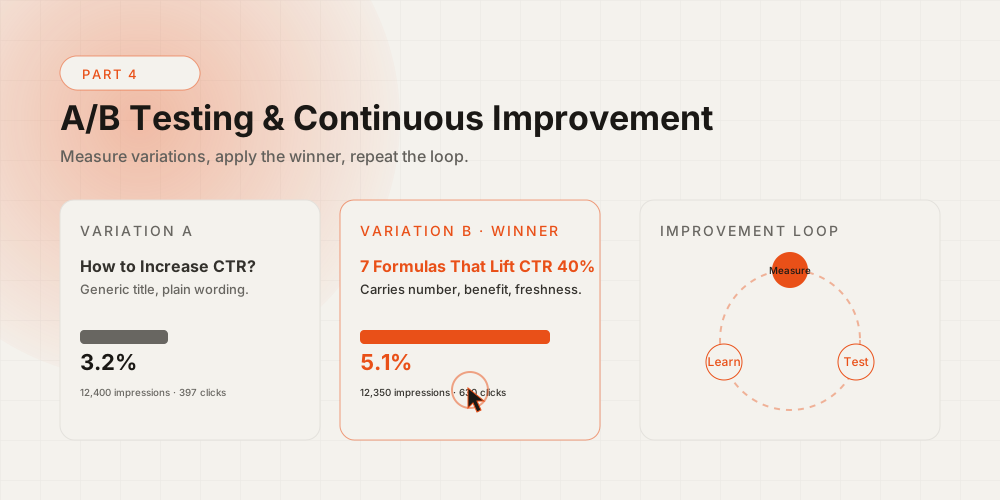
The page URL is one of the most valuable places to include your keyword and one of the factors that can have a real impact on improving CTR. Character count and the categories within the URL structure are among the elements that can influence search results and CTR.
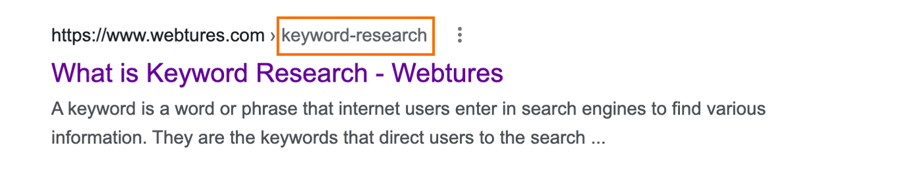
When publishing content on our website, we should be able to create categories and subcategories that fit the site and place each piece of content in the right location. This approach helps users get to know the different sections of the website and find the product or service they want faster and more easily. It also helps search engines index our website more effectively.