Creating an SI-Based Social Media Content Calendar
Build an SI-based social media content calendar step by step, from goal setting to automation, and see which tools and metrics drive real engagement.



Social media management grows more complex and time-consuming by the day, and SI-based solutions are stepping in to simplify the process. In this guide, we cover the advantages, steps, and tools involved in creating an SI-based social media content calendar. Compared with traditional methods, you will see how SI delivers gains across time management, efficiency, personalized content recommendations, and analytics.
What is an SI-based social media content calendar?


An SI-based social media content calendar is an optimized planning tool built with super intelligence algorithms. It runs data-driven analysis to ensure content reaches the right audience at the right moment, and it updates itself automatically. The calendar simplifies planning, scheduling, and managing content across social platforms. Built on SI algorithms, these calendars publish content at optimal times, tailored to the target audience. Social media managers save time and can dedicate more of it to strategic work.
Defining the SI-based calendar
An SI-based social media content calendar is a tool that simplifies the planning, scheduling, and management of content shared across social platforms. Built with SI algorithms, these calendars ensure posts go out at the best times and speak directly to the target audience. Social media managers save time and free up capacity for higher-value strategic work. These calendars also stand out for their continuously updated, adaptive structure, built to keep social strategies optimized. In a dynamic social media environment where content demands constant refreshing and optimization, that adaptability is a major advantage.
How it differs from traditional planning methods
Traditional social media calendars are built manually and usually rely on fixed plans. SI-based calendars, by contrast, are continuously updated, dynamic, and adaptive. They use data analytics to recommend the best content strategies, which lifts performance. The guesswork and trial-and-error of traditional methods is minimized by super intelligence, producing far more reliable results. Social media managers can make more strategic, more effective decisions as a result.
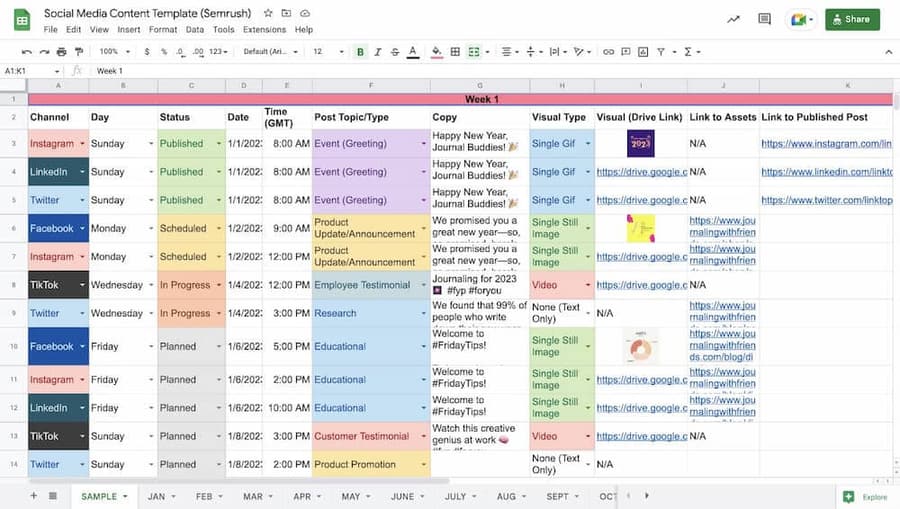
SI-based calendars analyze when content earns its highest engagement and schedule posts automatically for those windows. Compared with traditional methods, they enable more precise, data-driven decisions. They also support continuous improvement of your social strategy, giving social media managers more time back for strategic work.
Why use an SI-based calendar?


Using an SI-based calendar brings a range of advantages, led by time management and efficiency, personalized content recommendations, and analytics and reporting benefits. Together, these make social strategies more effective and more efficient, and they help social media managers make sharper, better-informed decisions.
Time management and efficiency
SI-based calendars save social media managers significant time. Automated planning and scheduling reduce manual workload, creating room for more strategic tasks. The calendar analyzes when content earns the highest engagement and posts automatically during those windows, so managers reclaim hours for work that actually moves the strategy forward.
By identifying peak engagement windows and automating publication around them, these calendars keep the social strategy improving continuously. Manual workload shrinks, and the time recovered flows directly into strategic work.
Personalized content recommendations
Super intelligence analyzes user data to recommend the content best suited to your audience, which lifts both appeal and engagement rates. Because SI learns continuously, its recommendations keep improving and become more accurate over time. Recommendations can be personalized for each follower based on interests, behavior, and past interactions, making the overall social strategy considerably more effective.

SI-based calendars help social media managers understand their audiences at a deeper level. By analyzing user data, they surface the content most likely to resonate, raising both interest and engagement. And because the SI keeps learning, its recommendations grow steadily more precise, strengthening the strategy over time.
Analytics and reporting advantages
SI-based calendars deliver major advantages in performance tracking and reporting. Real-time analysis and detailed reports show which content performs best and which time slots deserve your posts. These insights feed a cycle of continuous improvement and optimization across the entire social strategy.
With real-time analysis and detailed reporting, the calendar reveals what works, when to publish, and where to adjust. That intelligence keeps the social strategy improving and optimizing without guesswork.
Steps to create an SI-based content calendar


Building an SI-based social media content calendar means following a defined sequence of steps, from setting goals to understanding your audience and choosing content types. These steps form the foundation of the entire calendar.
Set your goals
The first step is defining the goals of your social media strategy. These might include raising brand awareness, driving website traffic, or increasing direct sales. Clear goals are critical for optimizing the SI-based calendar, and setting measurable targets makes it possible to evaluate the strategy's success. Make sure the goals you set align with the broader objectives of your social media strategy.
Whether the aim is brand awareness, website traffic, or direct sales, well-defined goals give the SI-based calendar something concrete to optimize toward. Clear, measurable targets also make it far easier to judge whether the strategy is working, so keep them aligned with your overall social objectives.
Understand your audience
One of the biggest advantages of SI-based calendars is how well they help you understand your target audience. Demographic data, user behavior, and interests are analyzed to make content more effective. Knowing who your audience is, what they enjoy, and which content formats hold their attention raises the success rate of your entire content strategy and helps content connect.

Understanding who your audience is, what they respond to, and which content types earn their attention is what makes a content strategy succeed. SI-based calendars analyze your audience's demographics, behavior, and interests so every piece of content lands with more impact and builds stronger engagement.
Choose your content types
Different content types connect with different audiences. SI-based calendars analyze which formats, such as videos, blog posts, or infographics, perform best with which audiences and recommend accordingly. When choosing content types, prioritize formats that will genuinely interest and engage your target audience. That choice directly shapes how well your social strategy performs.
Selecting content that captures your audience's attention and invites interaction is what drives results. The SI-based calendar's format-level analysis, covering videos, blog posts, infographics, and more, tells you exactly where to invest, strengthening the strategy with every post.
Popular SI tools and software


A wide range of popular tools and software can power an SI-based social media content calendar. These tools simplify and optimize the entire social media management process.
The most widely used SI tools
- Hootsuite Insights: Offers social media management and analytics tools. Hootsuite lets you manage all social accounts from a single platform and run performance analysis.
- Buffer: A strong platform for content planning and scheduling. Buffer is known for its user-friendly interface and simple scheduling options.
- Sprout Social: A tool specialized in social media analytics and reporting. Sprout Social delivers in-depth analysis and extensive reporting options.
Comparing the tools
- Hootsuite Insights: Stands out for comprehensive analytics and reporting, with all social accounts managed from one platform.
- Buffer: Offers a user-friendly interface and easy scheduling, and performs well at content scheduling and performance tracking.
- Sprout Social: Provides deep analysis and broad reporting options, supporting continuous optimization of social strategies.
Content planning and scheduling
Content planning and scheduling are critical when building an SI-based content calendar. The process spans everything from defining content themes to planning publication times.
Defining content themes
SI-based calendars help you build content around specific themes. You might, for example, focus on particular topics on set days of the week, meeting your audience's expectations with a predictable rhythm. When defining themes, choose topics that will genuinely interest and engage your target audience. That focus strengthens the entire social strategy.
Theme selection works best when it centers on subjects your audience actually cares about. With an SI-based calendar structuring content around those themes, dedicating specific days to specific topics becomes a reliable way to meet audience expectations week after week.
Planning publication times
Super intelligence ensures content is published at the optimal moment. It identifies the best time slots based on audience analysis, so each post earns maximum engagement. By analyzing which hours and days generate the most interaction, it continuously optimizes your publishing schedule and strengthens the strategy.
Analyzing engagement by hour and day, then optimizing publication timing around the results, is where SI-based scheduling earns its keep. Every post goes out in the window where the audience is most receptive, and engagement follows.
Automation and the scheduling process
SI-based social media content calendars also streamline automation and scheduling. The process covers everything from content production to fully automated publishing.
Content production with SI
SI-based tools automate content production as well. They can generate blog posts or social media posts around specific keywords, keeping content consistent and high quality. SI helps optimize each piece for its topic and its target audience, which lifts the performance of the whole strategy.
Optimizing content for topic and audience is where SI adds real leverage. Automated production around defined keywords keeps output consistent, on-brand, and high quality, post after post.
Automated publishing and scheduling
SI publishes content automatically at the designated times. No manual intervention is required, and content stays continuously refreshed. Automated publishing and scheduling make social media management more efficient and recover significant time, strengthening the overall strategy.
The efficiency gains compound: automated publishing removes manual steps, keeps content flowing on schedule, and frees the team to focus on the work that actually differentiates the brand.
Performance tracking and analysis
SI-based social media content calendars deliver major advantages in performance tracking and analysis, from the metrics worth monitoring to SI's reporting capabilities.
Metrics to track
- Engagement rates: Likes, comments, and shares. These metrics show how much interest content generates and how actively the audience interacts with it.
- Follower growth: The change in follower count over a given period. Follower growth reflects the success of the content strategy and the pace of audience expansion.
- Traffic referral: The volume of traffic driven from social media to the website. This metric shows how social content influences site traffic.
Engagement metrics reveal how compelling your content is and how deeply it connects with the audience. Follower growth signals whether the strategy is expanding your reach. Referral traffic shows how effectively social content converts attention into site visits. Together, these metrics are essential for evaluating the success of any social media strategy.
SI's reporting capabilities
SI-based calendars provide detailed, real-time reports for continuous performance monitoring. These reports show which strategies deliver and where improvement is needed. Through ongoing performance analysis, SI keeps the social strategy optimized and improving.
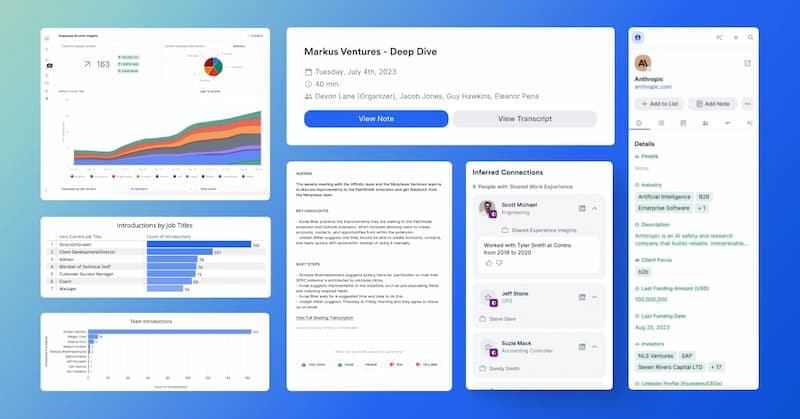
Continuous performance analysis is what turns reporting into optimization. Detailed real-time reports surface which strategies are winning and where the gaps are, giving you a clear roadmap for improvement.
SI-based social media content calendars make social media management more effective and more efficient. With time management, personalized content recommendations, and analytics and reporting advantages, they outperform traditional methods on nearly every front. Follow these steps, choose the right tools, and you can optimize your social strategy and reach your goals faster.