Driving Bookings with Visibility Intelligence in Tourism
The tourism industry is going through a shift that reaches beyond classic traffic and ranking metrics. Being visible in search results is no longer enough; the brands that win are the ones AI-powered systems recommend, cite, and treat as trusted sources.


The tourism industry is going through a shift that reaches beyond classic traffic and ranking metrics. Being visible in search results is no longer enough; the brands that win are the ones AI-powered systems recommend, cite, and treat as trusted sources. Visibility Intelligence makes this shift manageable by measuring how often, and in what context, a brand appears across different platforms, especially in AI answers. For hotels, tour operators, and destination management companies, this approach acts directly on the upper funnel of the booking journey. Travelers now turn to AI answers for queries such as "best boutique hotels," "honeymoon-friendly destinations," or "quiet holiday routes for families with children." At this stage, visibility determines not just traffic but the likelihood of being chosen. With Visibility Intelligence, brands can analyze the scenarios where they appear, the contexts where they are missing, and the content that actually influences booking decisions, and use that insight to raise conversion potential.
What is Visibility Intelligence and why has it become critical in tourism?
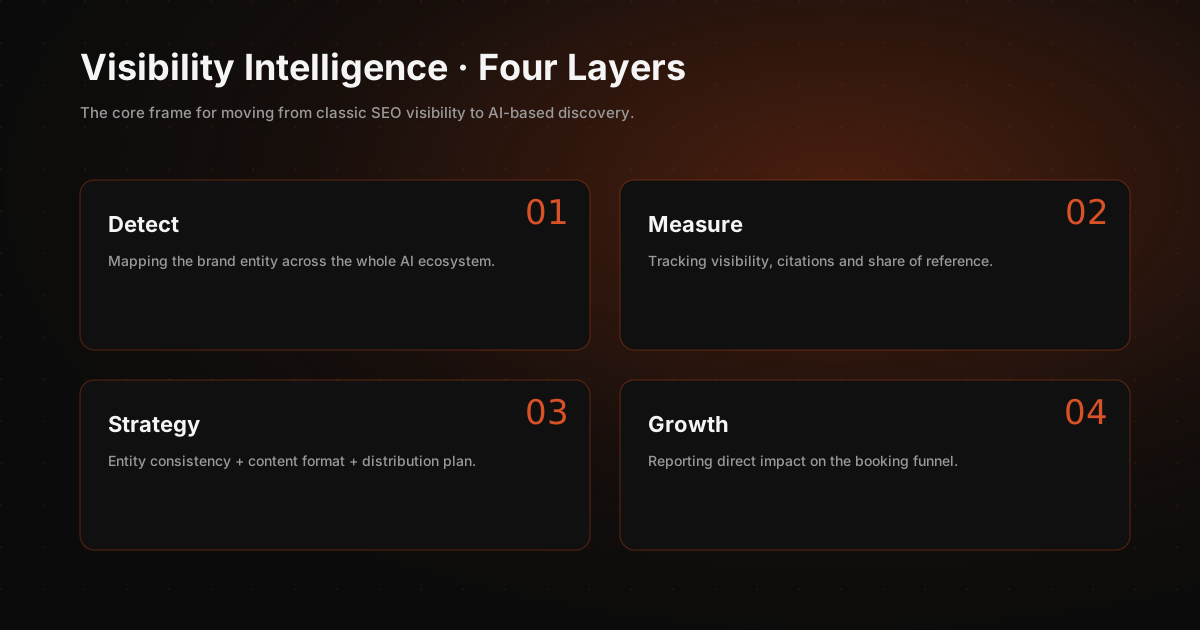
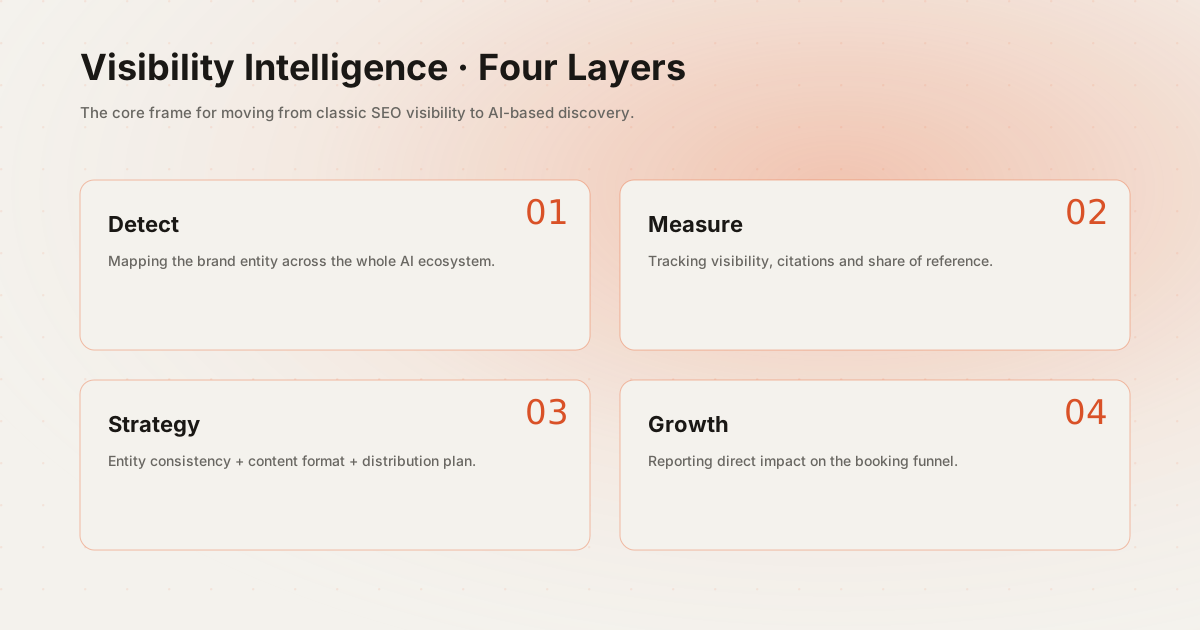
Visibility Intelligence is an analytical approach that measures how much presence a brand has across AI-based search systems, chatbots, recommendation engines, and answer surfaces. For tourism, the concept matters because user behavior has changed. Instead of running a Google search, travelers now put complex queries straight to AI tools: "a 3-day Rome itinerary," "the best honeymoon hotels in Cappadocia," or "car-free holiday routes along the Aegean coast." These systems do not simply surface the content with the most traffic; they elevate sources that are trustworthy, current, contextually strong, and citable. That means a hotel or tour brand needs to invest in its entire content ecosystem, not only its website. Visibility Intelligence analyzes which content AI systems select, which sources they quote, and where the brand sits within that ecosystem. Unlike classic reports, these analyses deliver visibility data that acts directly on booking potential.
How Visibility Intelligence differs from classic visibility metrics
Classic visibility metrics focus on rankings, traffic, and clicks. Visibility Intelligence is built on citations, recommendations, brand mentions, citation quality, and context. In tourism the difference is even sharper, because user decisions are usually shaped by recommendations. When someone asks for "the best hotels in Santorini," the handful of suggestions the AI system returns become decisive. Appearing in those suggestions can be more valuable than appearing on a classic results page. Visibility Intelligence analyzes how often the brand makes those recommendation lists, the tone of the language used, the attributes the brand is associated with, and its position relative to competitors. It also evaluates far more than the website: blogs, forums, user reviews, OTA profiles, news coverage, and third-party content all count. This approach pushes tourism brands to become more trustworthy and more citable for AI answer systems.
How is AI-powered search changing travel behavior?
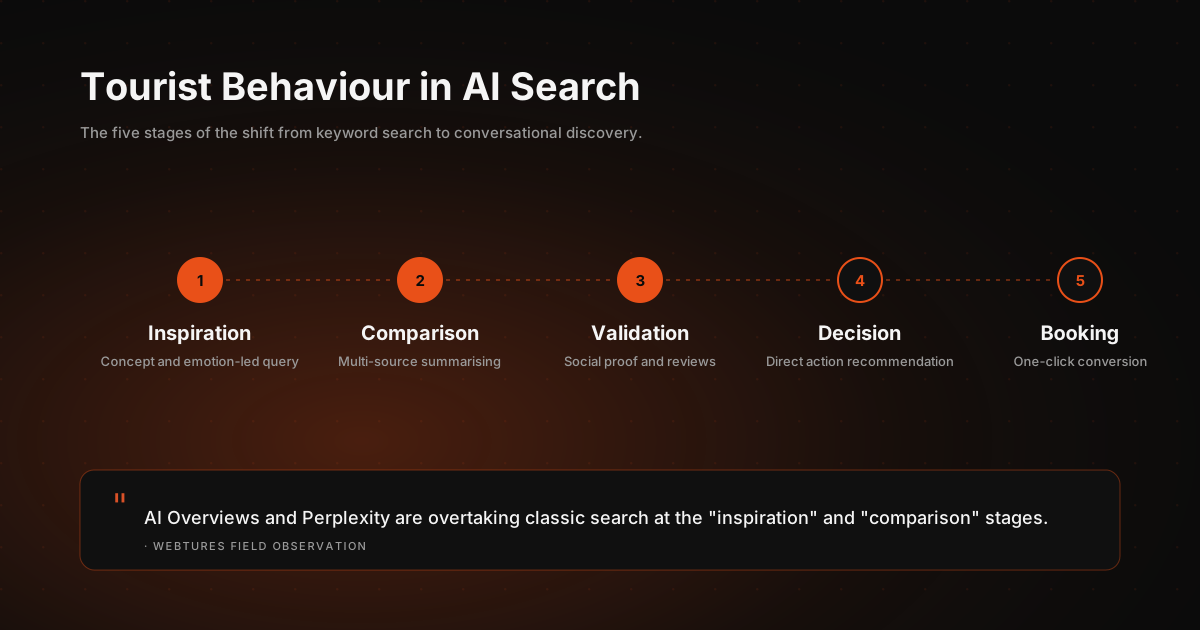
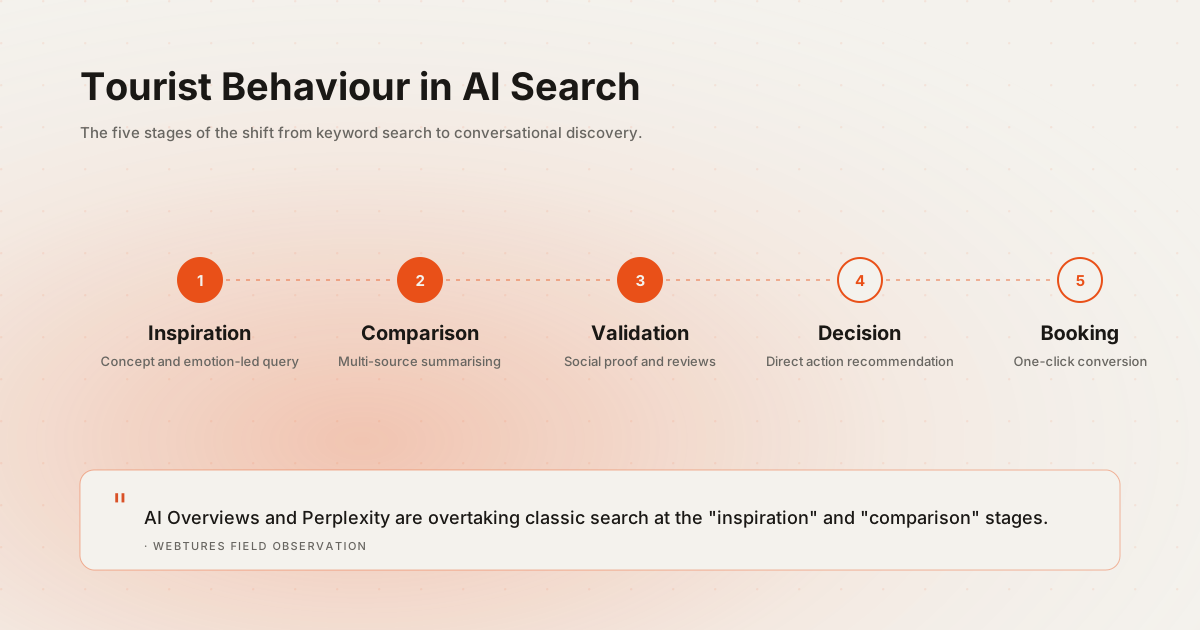
With AI-powered search, travel behavior has become more exploratory and scenario-driven. Instead of searching for a single hotel, users now ask broader questions such as "a holiday plan that works for families with children," "a 2-day itinerary for first-time visitors to Istanbul," or "romantic winter destinations." Content therefore has to offer scenario-based guidance, not just product or service information. When AI systems answer these queries, they pull information from multiple sources and assemble a set of recommendations. In that process, structured content, clear information, correctly handled destination entities, and answers matched to user intent play a critical role. For tourism brands this makes it essential to invest in guide content, comparisons, local experience pages, and trust signals rather than product pages alone. Visibility Intelligence tracks which user scenarios the brand shows up in against this changing behavior, so strategic action can follow.
How AI Overviews and chat-based search reshape the booking funnel
AI Overviews and chat-based search are redrawing the very top of the booking funnel. The first touchpoint is no longer a search results page but a direct answer. Being part of that answer gives a brand a critical head start on being noticed. In tourism especially, users weigh many alternatives before deciding. AI systems condense those alternatives for the user and may position certain brands as a better fit for specific scenarios, which intensifies the competition for visibility. With Visibility Intelligence, brands can analyze which queries put them into these recommendation lists, which competitors stand out, and which content formats get cited most. That makes it possible to win the user earlier in the booking funnel.
How do you build a Visibility Intelligence strategy for a tourism brand?
A Visibility Intelligence strategy for tourism brands requires a data-driven, multi-layered structure. The first step is defining target user scenarios. Queries such as "honeymoon holidays," "early booking deals," "child-friendly hotels," "visa-free holiday routes," or "luxury villa rentals" should be analyzed. Next, examine how AI systems answer those queries: which brands get cited, which content stands out, and which destinations are associated with which attributes. Content production is then planned around these findings. Content should do more than inform; it must be structured so AI systems can easily process it, compare it, and use it as a source. Work that strengthens brand visibility on third-party platforms should run in parallel. Visibility Intelligence measures performance at every stage of this process so the strategy keeps improving.
Prompt-based content mapping and scenario design
Prompt-based content mapping starts with analyzing the queries users put to AI systems. In tourism these queries are usually experience-driven. A prompt like "a 5-day itinerary for Italy" contains many sub-queries: accommodation, transport, budget, route, restaurants, season, and safety. Creating content that answers those sub-queries increases visibility. During content mapping, a content cluster is built for each prompt. That cluster can span guides, list content, comparisons, destination pages, FAQ blocks, and experience-driven pieces, which makes it easier for AI systems to cite them. Visibility Intelligence tools analyze which prompts deliver the most visibility, citations, and booking contribution, keeping the content strategy continuously updated. This approach lets tourism brands produce content that sits much closer to user intent.
How content formats affect Visibility Intelligence
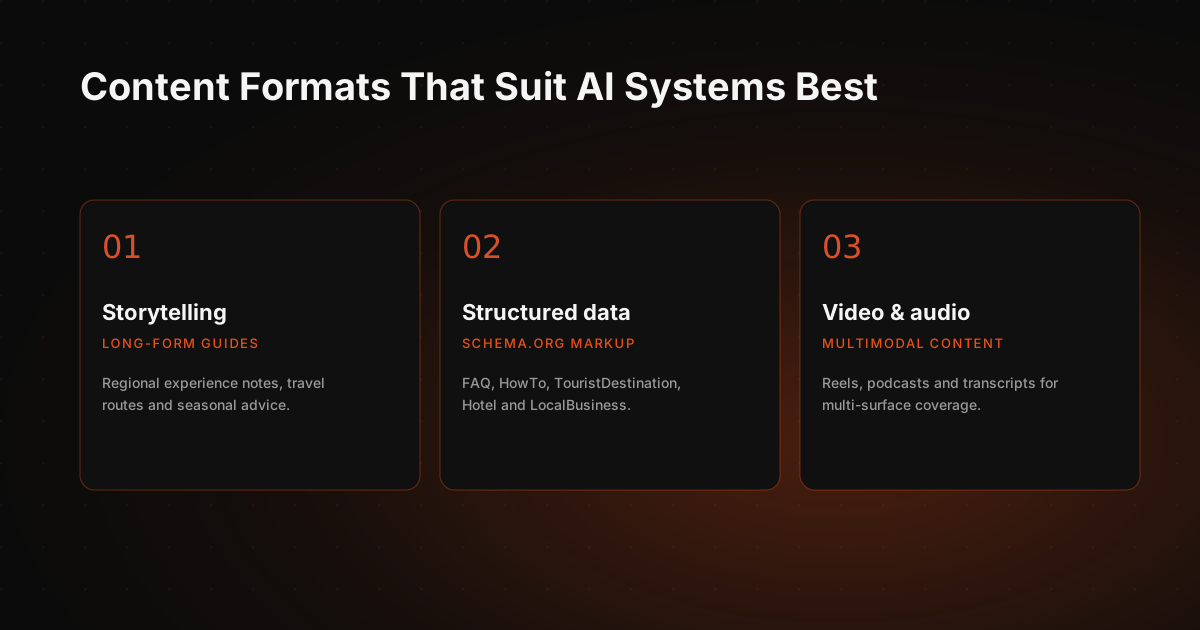
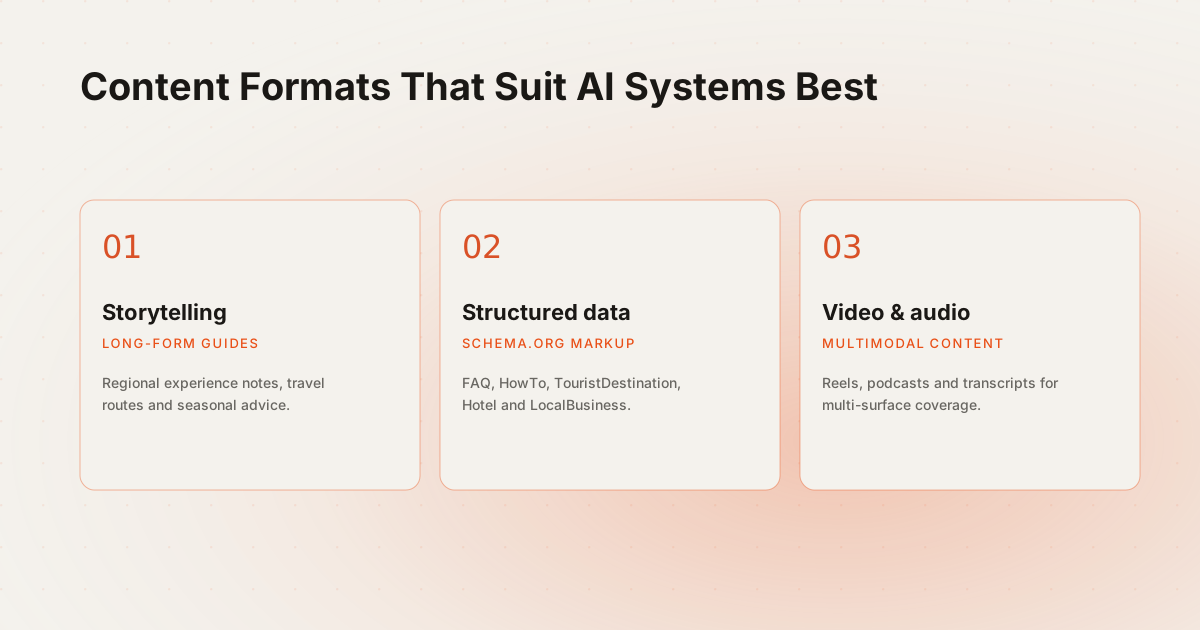
In tourism, content format has a direct effect on visibility. AI systems analyze and use certain formats more easily. Guides, comparison content, FAQ structures, itinerary plans, segmented lists, and content grounded in real user experience stand out because they answer user questions directly. For example, instead of a plain "top 10 hotels" list, segmented content such as "which hotel suits which traveler" is far more citable. Clear heading structures, direct paragraphs, current pricing or season details, location specifics, and credible sourcing all make content easier for AI to process. Visibility Intelligence analysis reveals which formats earn the most visibility, and content production is refined against that data to support booking conversion.
Performance analysis of guide, list, and comparison content
Guide content earns frequent AI citations because it gives users comprehensive information. List content stands out for being quick to consume. Comparison content plays a critical role for users at the decision stage. In tourism, using all three formats together strengthens the content strategy. Visibility Intelligence analysis shows which format performs best for which queries. Guides may work harder for honeymoon destinations, while comparison content gets cited more for hotel selection. Segments such as family holidays, cultural routes, luxury stays, or budget travel may each call for different formats. These insights make content investment more efficient, and improving the user experience along the way lifts booking rates.
The role of entity structure and brand presence in AI systems
Entity structure lets a brand be understood as a defined presence in the digital ecosystem, not just a set of keywords. In tourism this directly shapes perceived credibility and authority. When AI systems recommend a brand, they look beyond content quality to the brand's presence across the digital ecosystem: reviews, location data, consistency across third-party sources, and user experience signals. Hotel profiles, OTA pages, news sites, travel blogs, social platforms, map listings, and user reviews are all part of that ecosystem. Tourism brands therefore need to invest in how they are represented on external sources, not only on their own sites. Visibility Intelligence analyzes how these assets are used by AI systems and feeds that back into brand strategy.
Why third-party sources and citation signals matter
AI systems prioritize trusted sources when generating answers, so presence on third-party platforms is a critical advantage for tourism brands. User reviews, media coverage, travel guides, blog posts, OTA profiles, map listings, and destination content all strengthen the brand's citation power. Content built on real traveler experiences can carry particular weight with AI. Visibility Intelligence analysis reveals which sources cite the brand most and in what context they position it, so brands can decide where to invest. Keeping the content on those sources current, accurate, and consistent with the brand entity raises visibility further. The result is a strategy that serves brand management as much as visibility.
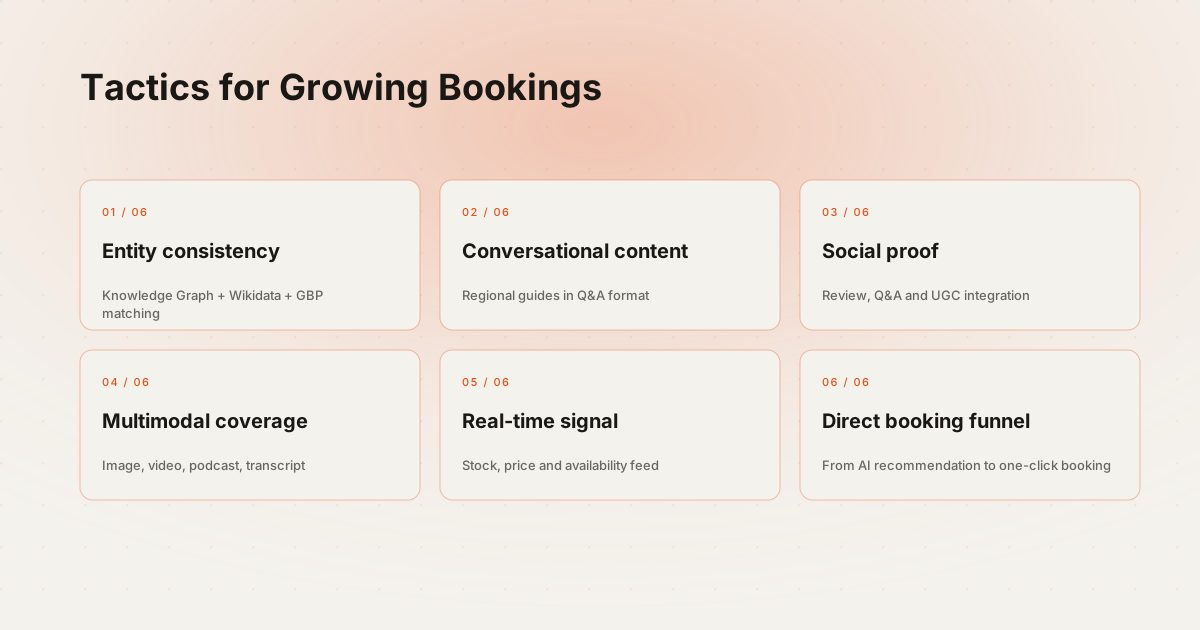
Tactics for growing bookings with Visibility Intelligence
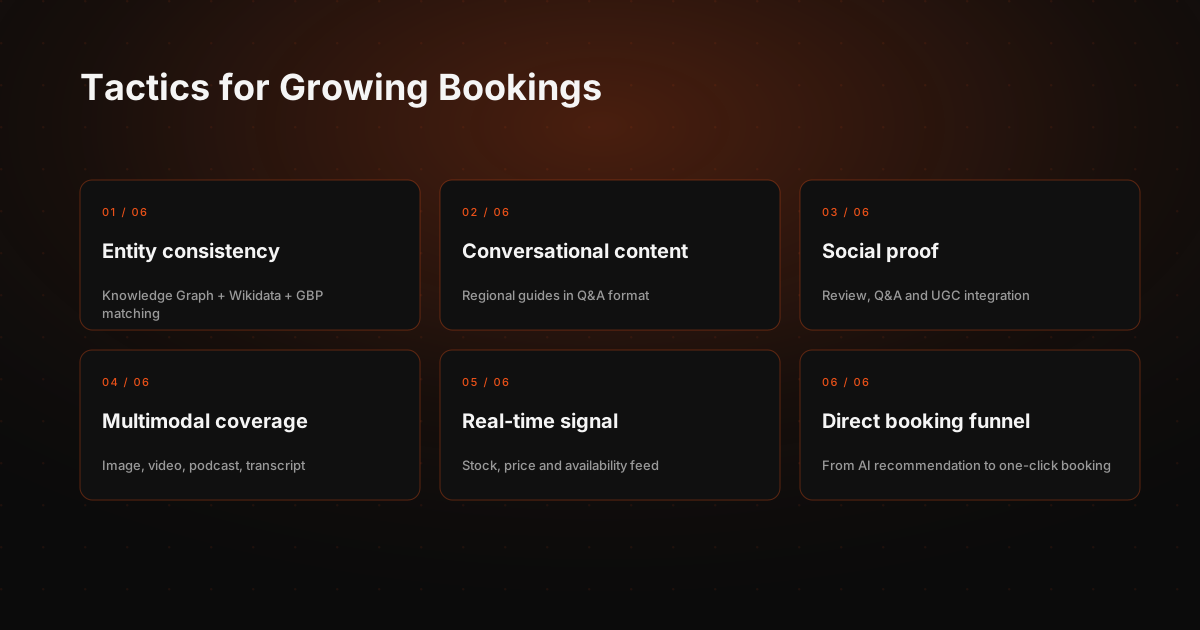
Visibility Intelligence is action-oriented, not just analytical. Tourism brands can use its data to lift booking rates. Start by identifying the queries that already deliver strong visibility and reinforce the content behind them. Then revise underperforming content, fill the missing prompt scenarios, and build content clusters matched to user intent. To earn a place in AI-recommended answers, content must be clear, current, comparable, and citable. Visibility Intelligence shows which of these actions create the most impact, so resources are spent where they matter and bookings grow.
Conversion-focused content and micro-funnel design
Conversion-focused content does more than inform; it moves the user to act. In tourism, that means content structured to lead the user toward a booking. The micro-funnel approach holds that every piece of content should carry a small conversion goal of its own. A destination guide can lead to a hotel comparison page, the comparison to room details, and the room details into the booking flow. These handoffs must feel natural, contextual, and never disrupt the experience. Visibility Intelligence analyzes which content converts best, which AI answers create pre-booking touchpoints, and which micro-funnel steps perform, so the structure keeps improving. The result is a more effective user journey and higher booking rates.