User search intent: understanding what searchers really want
Understand user search intent for SEO and GEO: the four intent types, SERP surface analysis, and the 3C model for matching pages to real user needs.

You may have a technically strong, comprehensive, or beautifully designed page; if it does not match the user's real search intent, it will not deliver the expected performance. When users run a query, they do not merely type words; they express a need, a decision, a question, a comparison, or an expectation of completing a transaction. In a GEO context, success comes from correctly identifying which answer format, which page type, and which level of source trust will satisfy that need.
Search intent describes the underlying goal behind a user's query. In AI Search and answer engine environments, the concept matters even more. AI-powered answer systems look beyond whether a page contains certain words; they evaluate how clearly the page answers the question, whether it covers follow-up questions, whether it presents entity relationships explicitly, and how suitable it is to be used as a source.
A user might want to reach a brand's website, buy a product, gather detailed information before purchasing, compare options, see a quick answer, or learn a step-by-step solution. That is why not every query should be met with the same content type.
What is search intent?
Search intent defines the outcome a user wants to reach when typing a query or a prompt. The user may want to check a price, compare products, learn about a topic, reach a brand's site, or complete a transaction directly. Page type, content format, and answer structure should all be determined by this intent.
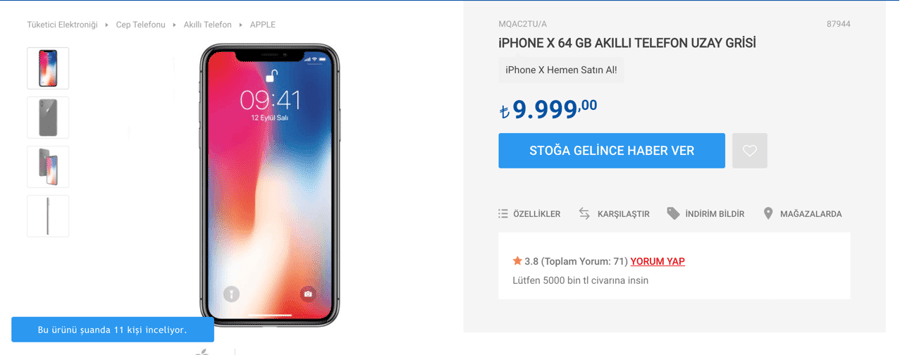
Put yourself in the shoes of a user searching "iPhone X 64 GB price." Which of these two page types would they expect?
- A content page with long, general information about the product
- A product detail page showing the price, stock status, and purchase option
In this query, the user most likely wants to see the product price and move closer to a purchase decision. A product detail page or the relevant category page is therefore the better match.
By contrast, in queries like "iPhone X specs" or "iPhone X vs Samsung Note 10," the user may still be in the decision stage. Here, instead of a purchase page, a comprehensive guide covering technical specifications, pros and cons, a comparison table, user reviews, and frequently asked questions is the better fit.
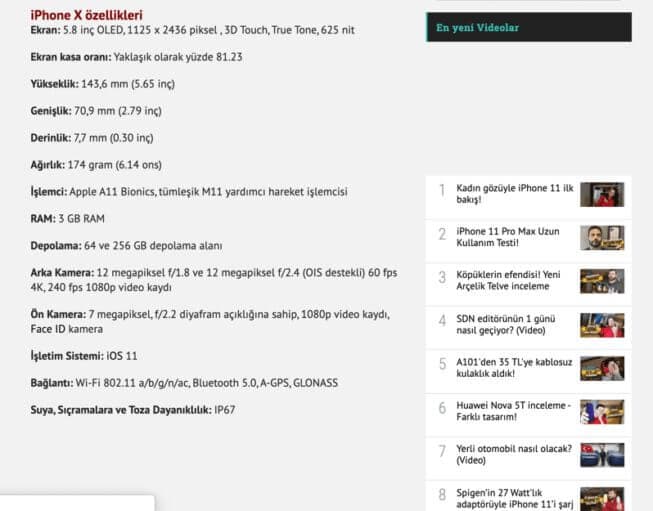
Although both examples revolve around the same product, the user need and the expected page structure are completely different. From a GEO standpoint this difference is even more critical, because AI Search systems can evaluate a user's prompt not as a single query but together with its likely sub-questions and answer formats.
Why does search intent matter for GEO?
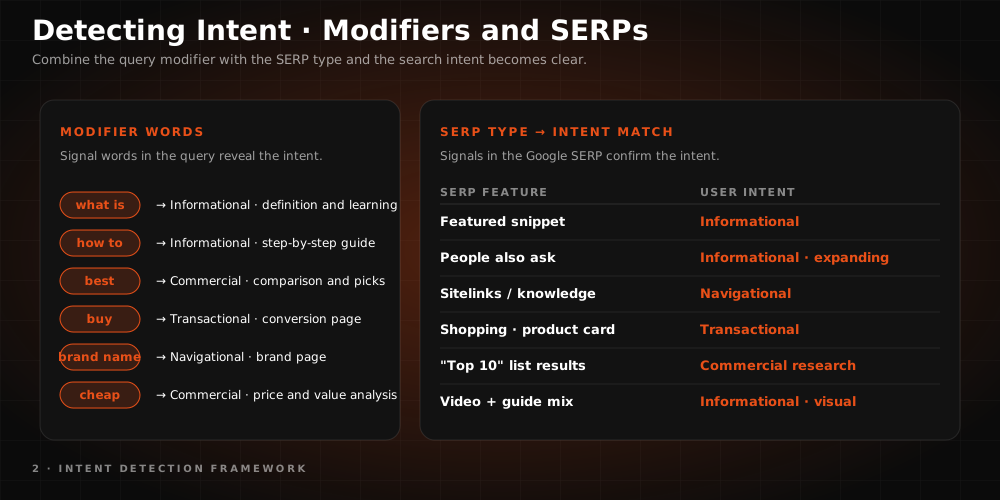
When search intent is not analyzed correctly, a page may be technically accessible yet still fail to deliver the right answer to the user. This weakens not only click and engagement metrics but also the page's chances of being used as a source on AI Search surfaces.
Google's approach to evaluating user needs is centered on the "Needs Met" concept. A result is not sufficient simply because it is on topic; how well it satisfies the user's need, the page's trustworthiness, freshness, experience signals, and overall usefulness are evaluated together.
Different surfaces such as AI Overviews, AI Mode, People Also Ask, featured snippets, video, image, shopping, and forum results vary by the need behind the query. Content should therefore be planned not around a single target keyword but around the query/prompt cluster, follow-up questions, page type, and answer architecture.
Types of user search intent
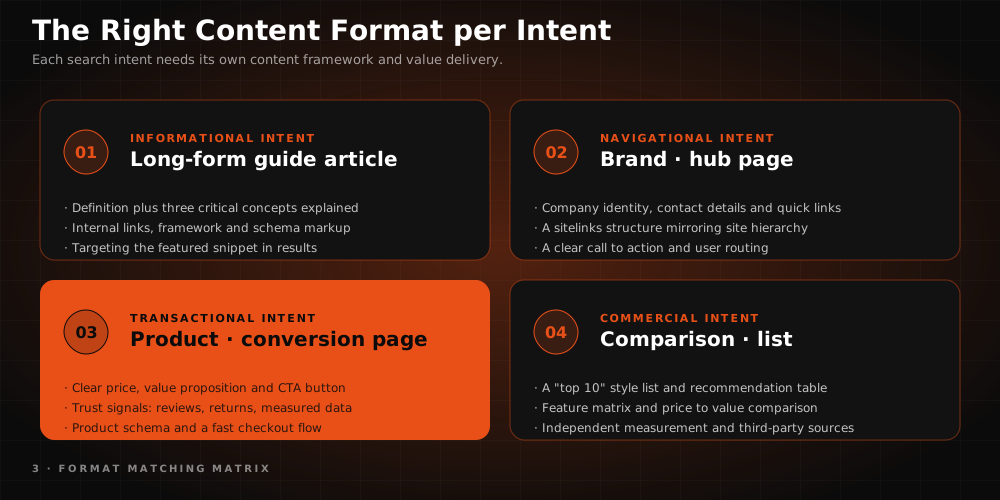
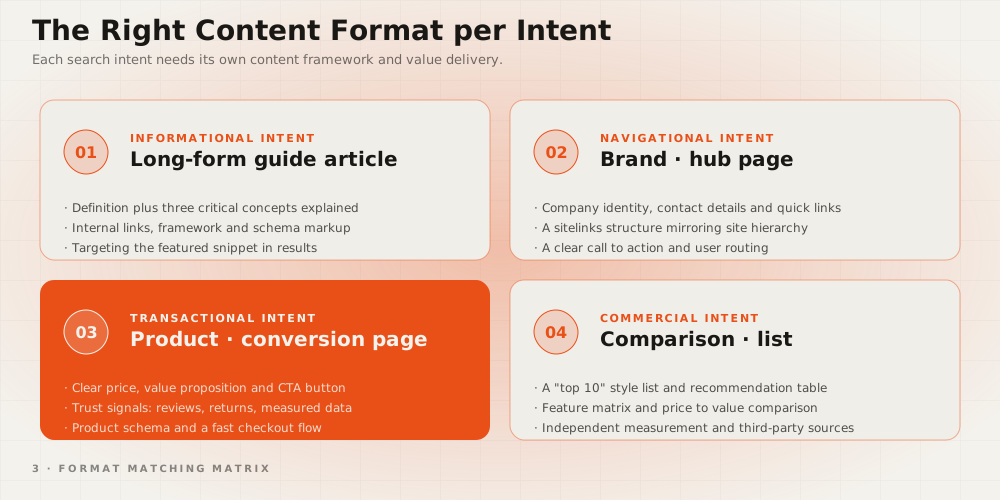
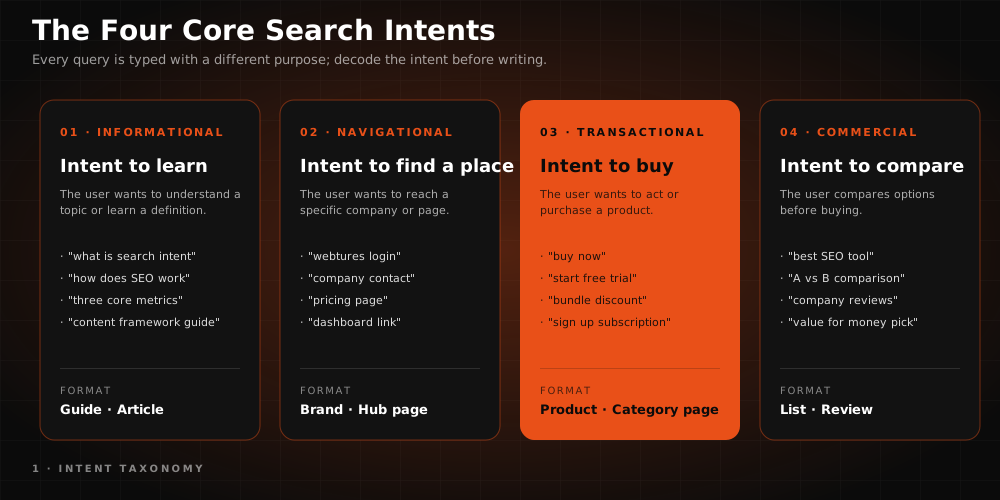
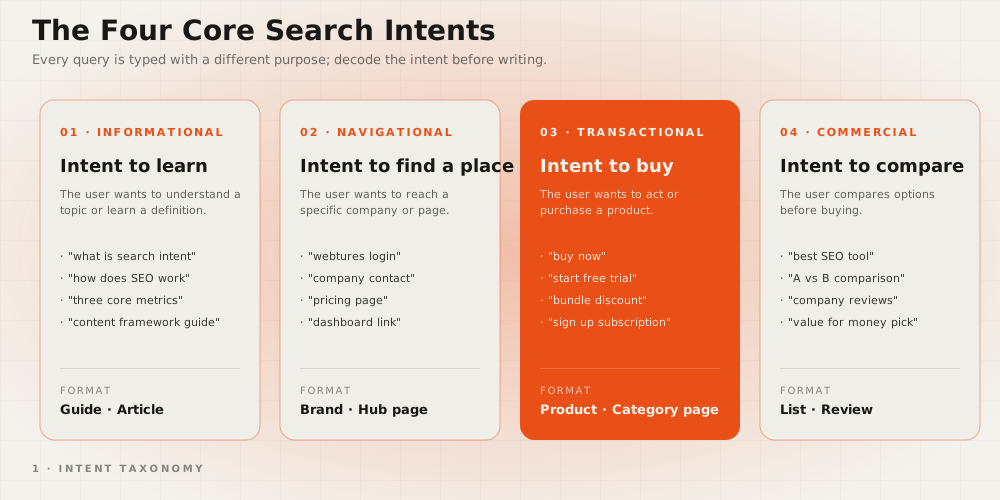
Users can have different goals before running a search. Search intent is generally grouped into four main categories:
- Informational: The user is looking for an answer, an explanation, or a solution to a question.
- Navigational: The user wants to reach a specific brand, website, or tool.
- Transactional: The user wants to complete an action such as buying, signing up, downloading, or applying.
- Commercial investigation: The user compares options, reads reviews, or looks for the best alternative before buying.
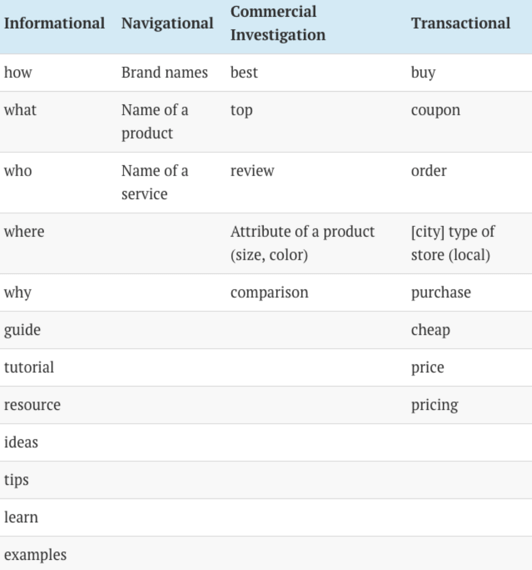
Informational searches
In informational searches, the user wants to learn a concept, a method, a process, or the answer to a question. For these queries, a short answer, a detailed explanation, a step-by-step guide, examples, visuals, video, or FAQ blocks can all matter.
Example queries:
- Who is Julian Assange?
- Directions to Manchester airport
- What is HTML5?
- How are football points calculated?
On the GEO side, informational content ranks among the strongest source candidates for answer engine systems. Definitions, short answers, detailed explanations, sourced facts, freshness, and follow-up questions should be structured with full clarity.
Navigational searches
In navigational searches, the user knows where they want to go. They are trying to reach a brand, tool, product, platform, or a specific page by name. The most important factor for these queries is that the brand entity, the official page, and the correct URL are clearly understood.
Example queries:
- Ahrefs backlink checker
- Moz beginner's guide
- Twitter (now X) login
For these queries, the brand name, page title, structured data, consistent social profiles, and correct internal links reinforce source trust.
Transactional searches
In transactional searches, the user is close to buying, signing up, downloading, or applying. For these queries, the product page, category page, price information, stock status, delivery, warranty, payment options, and a clear call to action carry weight.
Example queries:
- MacBook Pro Touch Bar price
- NordVPN coupon
- Cheapest Samsung Galaxy S10
- LastPass premium price
On the AI Search side, transactional queries should be handled together with product feeds, Product schema, price and stock data, user reviews, and trust elements.
Commercial investigation searches
In commercial investigation queries, the user is inside the buying cycle but has not yet decided which solution to choose. Comparison tables, best-of lists, user reviews, expert evaluations, pros-and-cons blocks, and value-for-money explanations matter here.
Example queries:
- Best protein powder
- Mailchimp vs ConvertKit
- Ahrefs review
- Best restaurants in London
For these queries, AI Search systems generally find it easier to use sources structured as summaries, lists, comparisons, and recommendations.
How to discover search intent
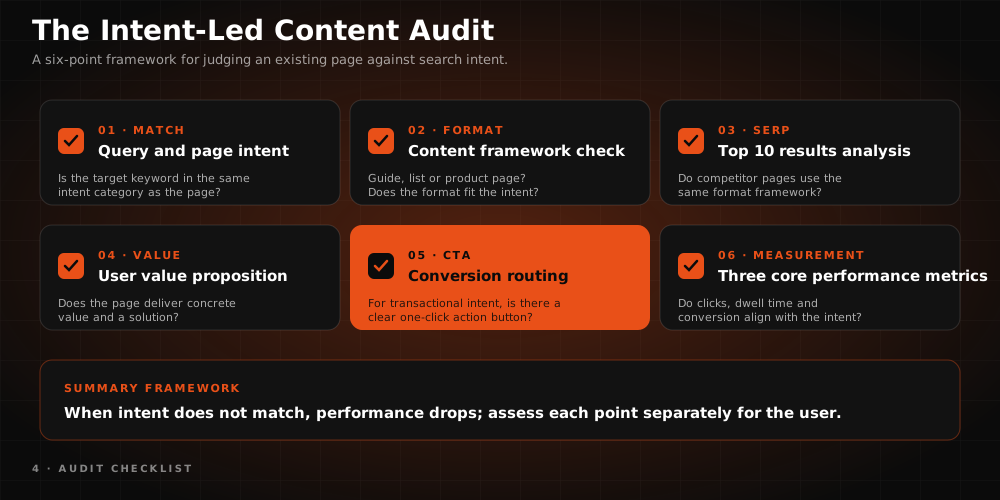
Discovering search intent takes more than looking at the words inside a query. You should also examine which page types the query is met with in the search results, which AI answer surfaces appear, which follow-up questions users ask, and what format competing pages use.
The core steps of search intent analysis are:
- Determine whether the query carries informational, navigational, transactional, or commercial investigation intent.
- Review the dominant page types in the live search result view.
- Check AI Overviews, AI Mode, People Also Ask, image, video, shopping, and forum surfaces.
- Analyze the answer depth, format, and differentiating angle of competing content.
- Treat the query not as a single keyword but as a prompt cluster that expands with follow-up questions.
- Check whether your page delivers a short answer, a detailed explanation, a transaction flow, and source trust.
The query fan-out approach used in Google's AI experiences shows that a single search can split into multiple sub-questions. Content should therefore answer not only the main query but also the connected questions a user may ask within the same journey.
How to analyze the SERP views of your target queries
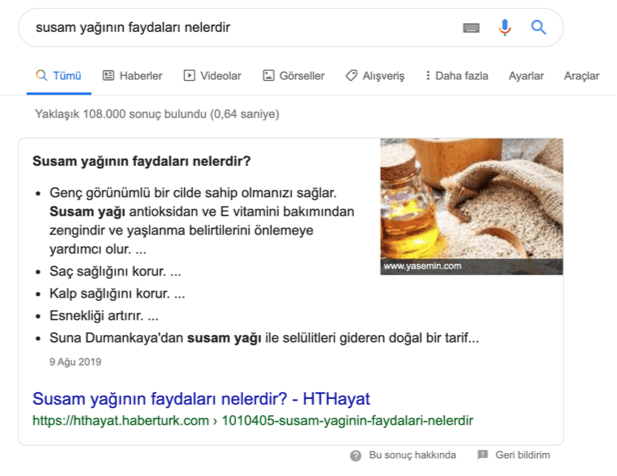
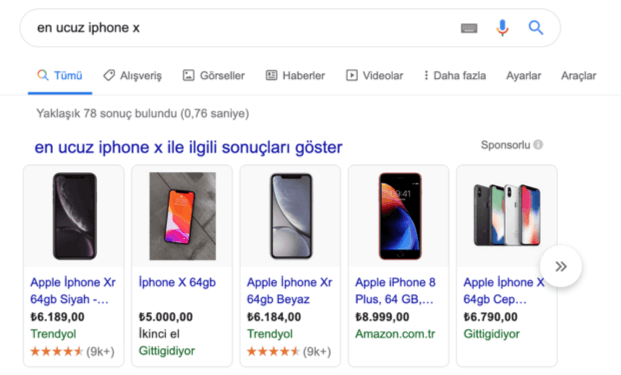
Google shows different search result surfaces depending on user intent. If knowledge panels, short answers, and People Also Ask areas dominate a query, the user probably expects an explanatory answer. If shopping results stand out, transactional intent is strong. Map results can indicate a local need; video results can signal an expectation of visual explanation.
The main surfaces to watch during analysis:
- AI Overviews and AI Mode answers
- People Also Ask
- Featured snippet
- Shopping results
- Video results
- Image packs
- Top stories
- Knowledge card
- Forum and discussion results
- Local map results
Shopping results usually indicate strong transactional intent.
These surfaces should not be treated as fixed. In news, finance, health, legal, technology, product review, and trend-driven topics, user expectations can shift quickly. Important queries should therefore be rechecked regularly against the live result view, AI answer areas, and competing page types.
Do your pages match search intent?
1. Monitor position and visibility changes
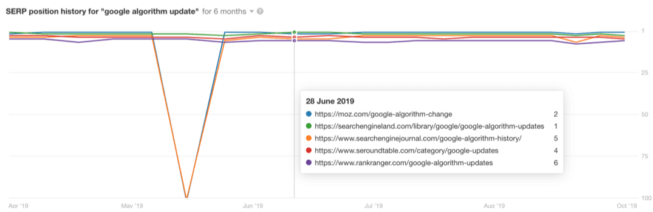
Taking action without understanding the purpose of a search and reviewing the current search result view can be misleading. User needs can change hourly, daily, monthly, or yearly. Especially for topics that demand fresh information, outdated content may fail to satisfy user intent.
For a query with high freshness expectations such as "google algorithm update," the user expects recently dated, sourced content that explains the changes. If an old page fails to meet that need, answer engine visibility and user trust can weaken.
The historical performance of target queries, the current search result view, AI answer areas, People Also Ask questions, and competitor page formats should therefore be tracked regularly.
2. Match your content with the 3C search intent model
The 3C model is used to determine the type, format, and angle of the page that should answer a query. In a GEO context, the model is also valuable for understanding in which context AI Search systems can summarize your content and which questions it can serve as a source for.
- Content Type: The type of page
- Content Format: How the content is presented
- Content Angle: The content's value proposition and approach
Content Type
Content type indicates which page type best fits the user's expectation. For a "best protein powder" query, a guide or list article may work better, while for a "protein powder" query, an e-commerce category page can be the stronger response.
Common content types include:
- Blog post
- Product page
- Category page
- Landing page
- Comparison page
- Tool or calculator page
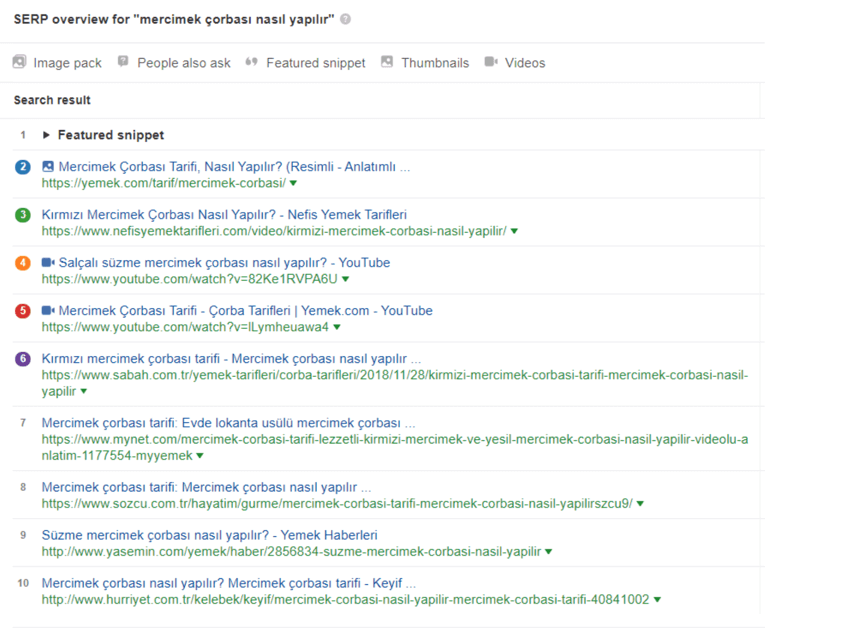
If the dominant results for a "how to make lentil soup" query are recipes and guides, it is hard to satisfy that intent with a category or product page.
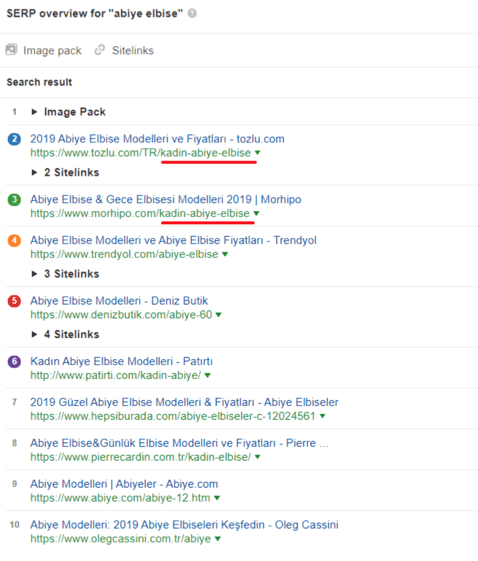
For an "evening dress" query, however, the user usually wants to browse product options. In that case, an e-commerce category page is the right page type.
Content Format
Content format shows the structure in which the user wants to consume the information. The same topic may call for a guide, a list, a comparison, a table, a recipe, a video, or a step-by-step walkthrough.
Common formats:
- How-to guides
- Step-by-step tutorials
- Comparisons
- Best-of lists
- FAQ blocks
- Tables and summary boxes
- Video or visual explanations
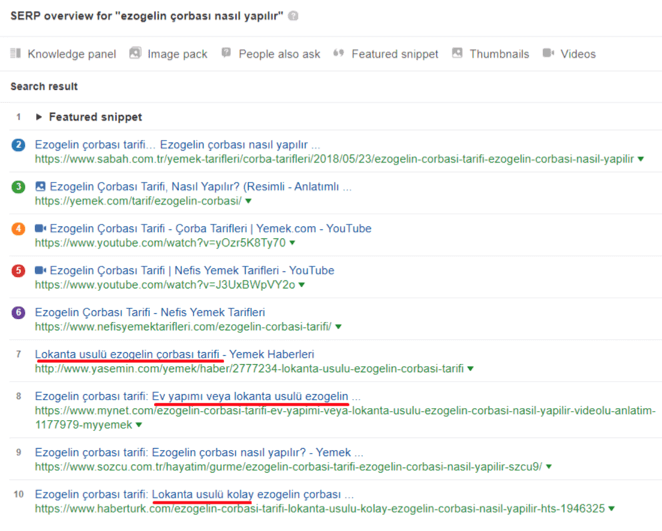
For an "ezogelin soup recipe" query, the user expects ingredients, cooking time, servings, steps, and tips.
For a "places to visit in Istanbul" query, a list format with locations, transport details, a suggested route, and short descriptions may be the better fit.
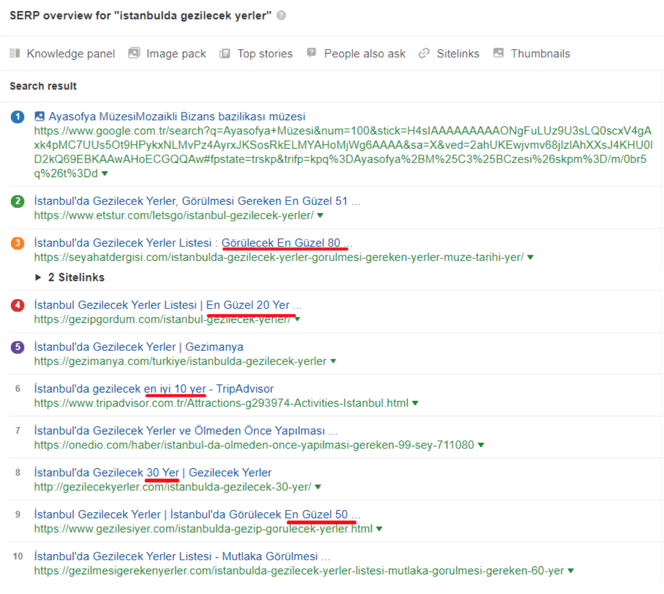
Content Angle
Content angle shows the value proposition behind the content. The user may expect angles such as "most up to date," "cheapest," "expert recommendation," "side by side," "for beginners," "step by step," "quick fix," or "in-depth guide."
On the AI Search side, content angle can influence which summary the answer is built around and which sources are most suitable for citation. If the differentiating angle is unclear, the page struggles to generate source value among similar content.
For a "how to make ezogelin soup" query, angles like "restaurant style" or "homemade" sharpen the user expectation.
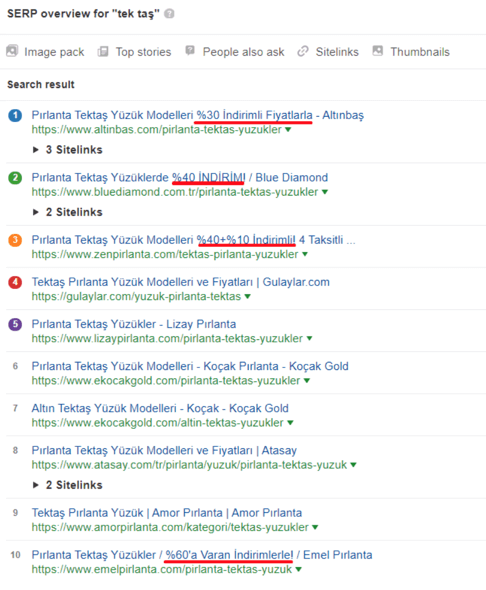
For transactional queries like "solitaire ring," price, trust, certification, delivery, promotions, and return details should be core parts of the content angle.
Search intent checklist for AI Search and GEO
- Does the page answer the user's main question clearly on the first screen?
- Which of the four intents does the query fall under: informational, navigational, transactional, or commercial investigation?
- Does the page type match the dominant page type in the live search results?
- Are the follow-up questions from AI Overviews, AI Mode, and People Also Ask covered?
- Does the content use short answers, detailed explanations, tables, comparisons, or transaction flows as the need requires?
- Are entity details, product/service information, brand name, expertise, and source links clear?
- If the page requires fresh information, are its dates, data, and sources current?
- Do the canonical URL, sitemap, internal links, and structured data support the page's source value?
- Are the research, comparison, decision, and transaction stages of the user journey each addressed separately?
- Is the content clear enough to be cited as a source by answer engine systems, not just to attract traffic?
Conclusion
Search intent is the core strategic layer that determines which user need a page will serve. In a GEO context this layer matters even more, because AI Search systems evaluate the user's prompt, its sub-questions, the expected answer format, and the page's source trust together rather than relying on a single keyword match.
When producing content or updating existing pages, the goal is therefore not merely to appear for certain queries; it is to satisfy the user's real need with the right page type, the right content format, the right answer angle, and strong source signals.