What Are Topic Clusters? A Content Strategy Model for Changing Consumer Intent
Learn how topic clusters connect pillar and cluster content around user intent so search engines and AI answer systems treat your site as a trusted source.

Before you read this article, I want to ask you for one small favor. Open Google on your phone or computer and search for restaurant recommendations.
What did you type?
Chances are you used a natural, detailed query like "best restaurants in Istanbul", "brunch spots near me" or "quiet kid-friendly restaurant recommendations".
Ten years ago, that search would probably have been a classic two or three word Google query. Today, users expect search engines and AI Search experiences to deliver more than a list of results. They want answers that understand context, respond to location, decode intent and offer directly actionable recommendations.
When you search for "brunch spots near me" on a mobile device, you expect the system to interpret your location, your search intent, user reviews, map results and business information together. The search experience is no longer shaped by keyword matching alone. It is shaped by intent, context, entities, local signals, content quality and the capacity to generate answers.
So what is changing here?
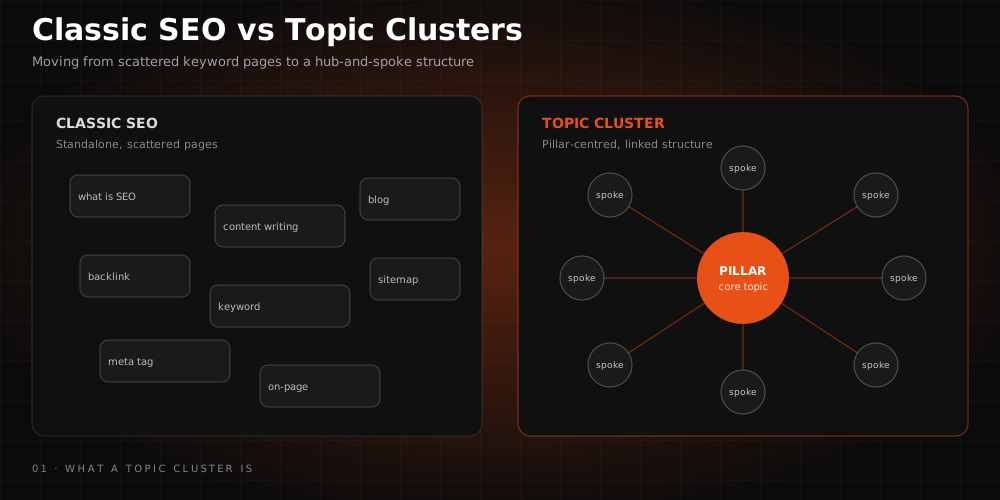
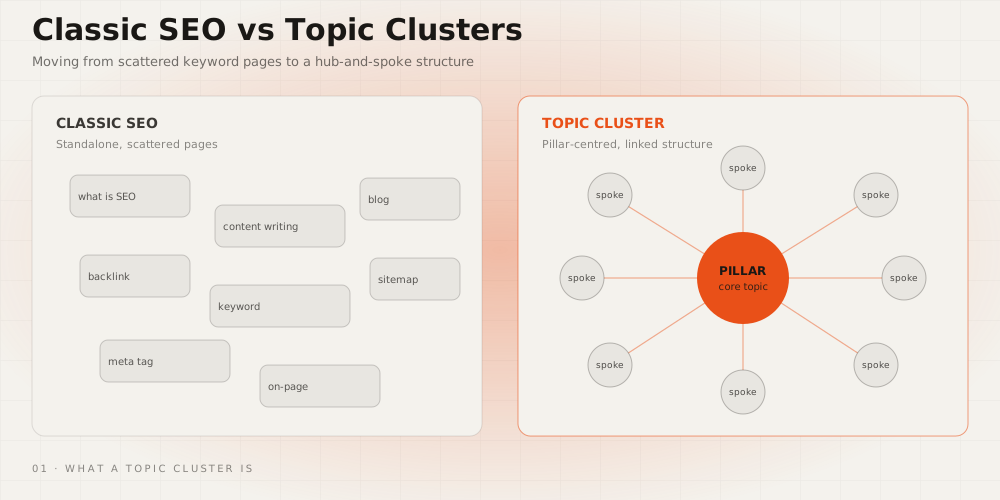
Advances in technology, search engine algorithms, AI-powered answer surfaces and consumer behavior have directly reshaped content strategy. That is why GEO and digital marketing work now requires planning content not just around keywords, but around topics, intent, questions, prompts and the user journey.
Part of this shift comes from voice search, mobile search and conversational queries. Instead of short phrases like "restaurant Istanbul", users now type queries like "recommend a quiet restaurant with a view where I can book a table for dinner". AI Overviews, AI Mode, ChatGPT Search and similar answer engines try to interpret these complex queries in a much wider context.
We cannot always know whether a search was spoken or typed. But question patterns like "who", "what", "where", "when", "why", "how", "which is better" and "is this right for me" show that users expect more explanatory answers from search engines.
Users now search with full sentences, multi-step intent and more complex expectations. This means content strategy has to move beyond single keyword targets and be built on topical completeness and answer architecture.
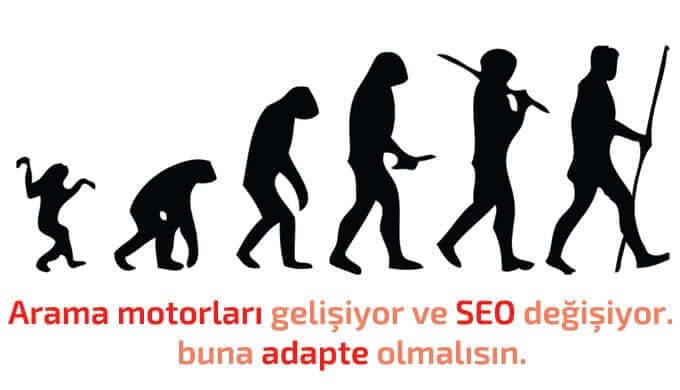
Google's Hummingbird, RankBrain, BERT, MUM, core update cycles and generative AI features are all part of this transformation. Search systems no longer focus only on word matching. They evaluate meaning, context, quality, trust, experience, source diversity and user needs. Experiences like AI Overviews and AI Mode use query fan-out logic to consider a query's sub-intents, related topics and supporting sources together.
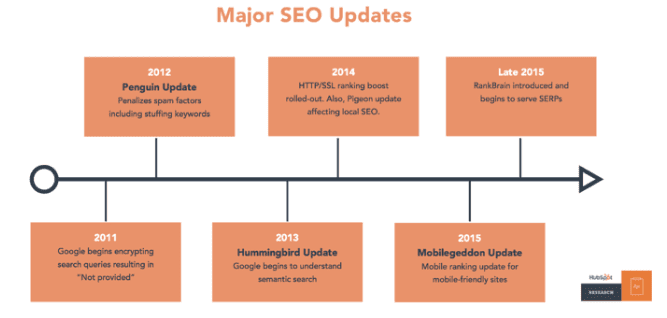
In the past, content teams mostly optimized for one or two word queries with high search volume. Then the long-tail keyword approach took over. But today, producing separate pages for every long-tail variation is no longer a sustainable strategy.
For example, creating content for "best soup recipe" may not be enough on its own. A user might search with very different intents: "how do I make lentil soup thicker?", "why does soup curdle?", "which soup is easiest to make for someone who is sick?" or "light soup ideas for dinner". These queries represent different sub-needs around the same core topic.
Here is the hard part: how do we make content strong for thousands of query variations without creating a separate page for each one?
How should we shape our content strategy?
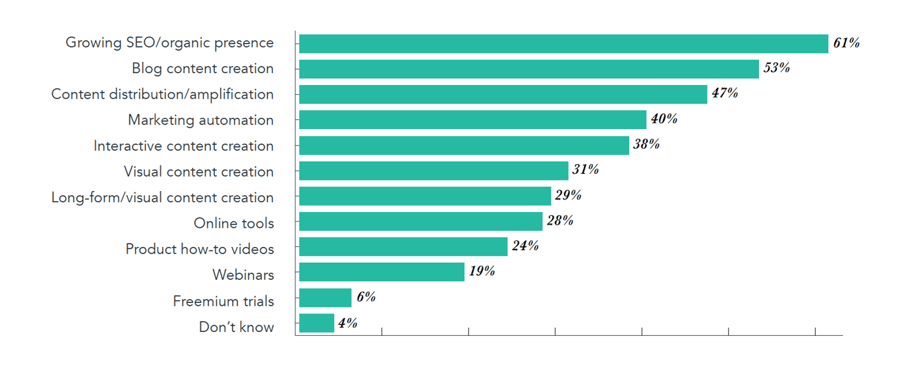
To adapt to the changing nature of search, content strategy needs to move from keyword-centric production to a topic and intent centered architecture.
The old content production process usually looked like this:
- Do keyword research
- Pick a keyword you want to rank for
- Write a blog post optimized for that keyword
- Repeat the process for more keywords
In this approach, each blog post usually targeted a single search query. The result was a pile of shallow content on similar topics, an increasingly tangled site architecture and users stuck between scattered pages covering the same subject.
Then the long-tail keyword approach came along:
- Do long-tail keyword research
- Pick the long-tail query you want to rank for
- Write a separate piece of content for that long-tail query
- Repeat the process for more long-tail queries
The underlying problem never changed. We simply started producing separate content for long queries instead of short ones. In most cases, that weakened content quality, topical coherence and site architecture.
Creating content is valuable, of course. But if content lacks real expertise, experience, an original perspective and user value, it becomes a quality burden instead of producing visibility.

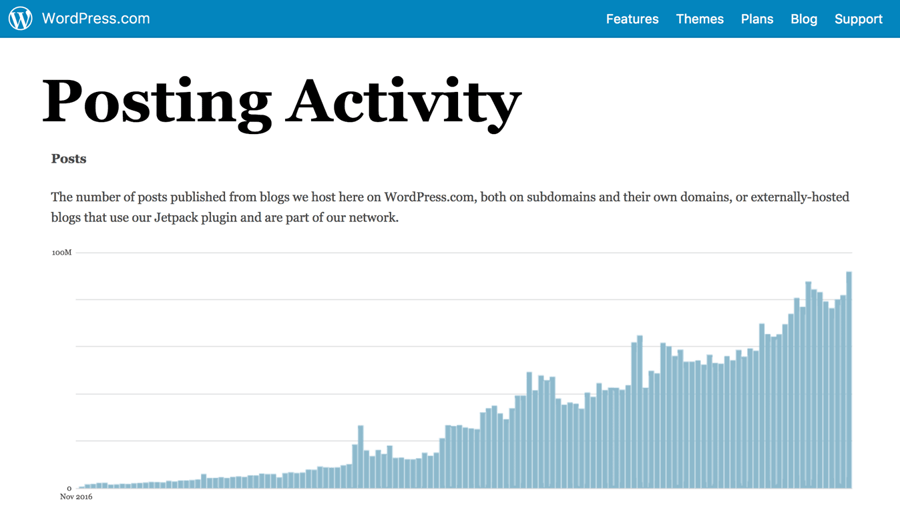
The obsession with content production has driven up the volume of similar, repetitive content across the web. What is needed now is not more content, but better organized, more trustworthy, more original and more comprehensive content architecture.
How do you optimize your content for thousands of query and prompt variations?
Today we face two fundamental challenges:
- The changing nature of searchers, prompts and AI Search systems
- Rising competition from brands, publishers, experts and AI-assisted content production
To overcome these challenges:
- Create quality content that delivers value. Content that merely informs is not enough. It needs to offer original experience, expertise, examples, sources, comparisons and actionable answers.
- Move your content strategy from one keyword per blog post to topic and prompt clusters. Instead of producing a separate page for every search term, build a stronger content architecture that covers user intents around a core topic.
What is a content strategy?
A content strategy defines why you create content, who you create it for, which user need it solves, which formats you publish in and how that content connects to commercial goals. A good content strategy aims for more than traffic. It builds trust, expertise, conversions, brand authority and visibility as a source in AI Search.
This is where topic clusters come in. The model helps you deliberately connect core topics and subtopics while building an effective information architecture across your website.
What are topic clusters?

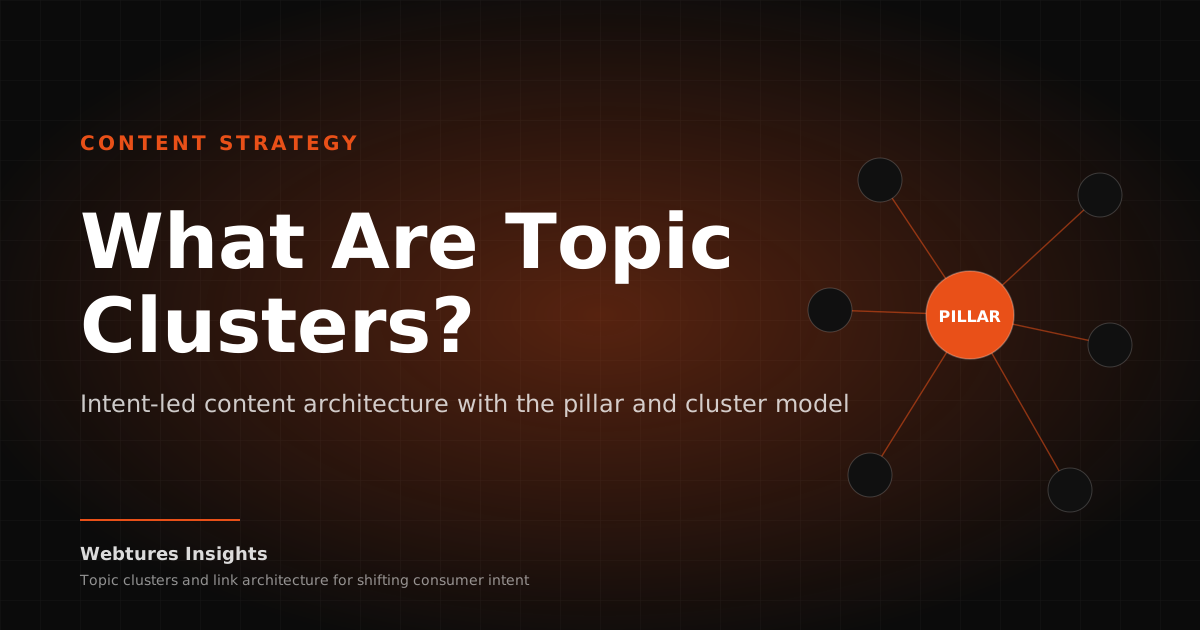
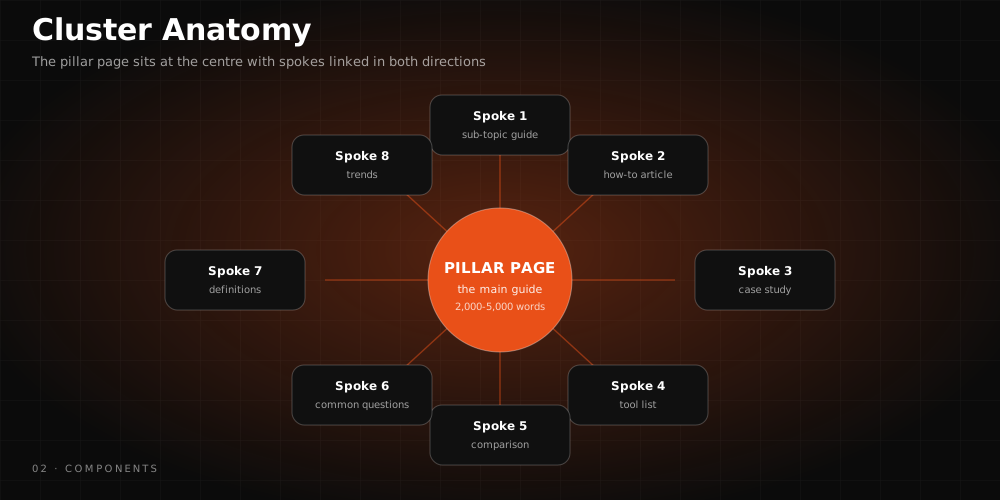
Topic clusters are a strategic content architecture made up of pieces of content grouped around a core topic and connected through internal links. In this model, a comprehensive piece of pillar content acts as the central hub, while related cluster content pages elaborate on the subtopics, questions, use cases and intents behind that core topic.
The key thing to remember is that your customers are people, not search engines. But to reach people, you also need to help search engines and AI Search systems understand your content correctly. That is why topic clusters are not just a content production model. They are a model for site architecture, internal linking, entity clarity, query and prompt mapping, and citability.
With this method, you can shift to a topic cluster model where a single pillar page serves as the central content hub for a broad topic, and related subtopic content links back to the pillar page and to each other.
What does the topic clusters model give you?
At its core, it comes down to this:
The topic clusters model shows search engines and AI Search systems which page is the core topic hub, which pages support that topic and how the pieces of content relate to each other semantically. It organizes content pages through a cleaner, more deliberate site architecture, helps users reach information more easily and helps crawlers understand the relationships between pages more clearly.
What are the components of topic clusters?
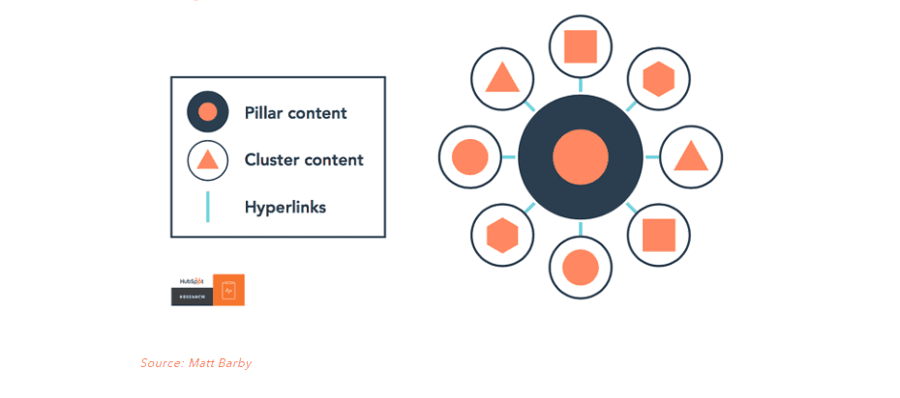
- Pillar content
- Cluster content
- Hyperlinks
- Entity and prompt map
You start by creating pillar content for a broad, comprehensive topic. Then you plan cluster content that focuses on specific subtopics, questions, comparisons or use cases within that broad topic. The hyperlink structure turns these pieces into a network that makes sense for both users and crawlers.
In a modern GEO view, one more layer belongs in this structure: the entity and prompt map. Which brands, products, services, problems, audiences, locations and decision criteria relate to the core topic? Which questions, comparisons and decision stages do users go through when researching it? The answers to these questions determine the real strength of a topic cluster.
Site architecture and topic clusters from a GEO perspective
To understand why the topic cluster model works, think about how search engine crawlers and AI Search systems build relationships between pages. In a scattered content architecture, many pages get published, but it stays unclear which core topic they serve, which one is the hub page and where each page moves the user next.
Before switching to a topic clusters structure, HubSpot's internal linking looked like this:
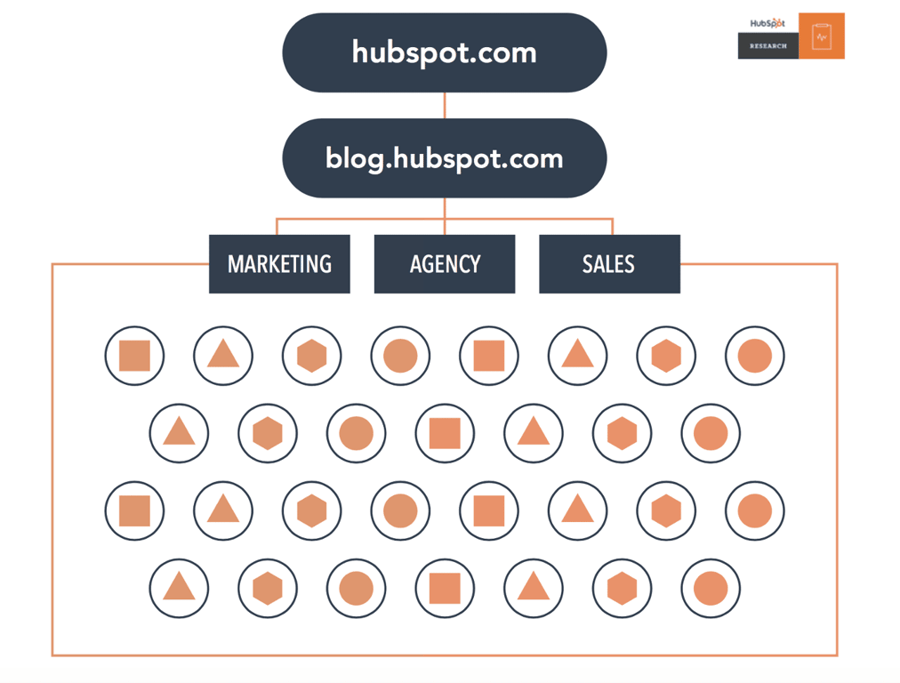
The homepage is usually one of a site's strongest pages, and it links out to blog and content areas. But when content multiplies without organization, the link structure gets tangled, important pages sink deep into the site and users run into scattered content about the same topic.
This weakens both the crawlers' ability to crawl and build context and the user experience. When content is not organized into topic clusters, the topical authority signal fragments.
HubSpot then started implementing the topic clusters structure. The goal in this model is to show search engine crawlers and users more clearly which pages are core topic hubs and which pieces of content support those hubs.
Here is what that looked like:
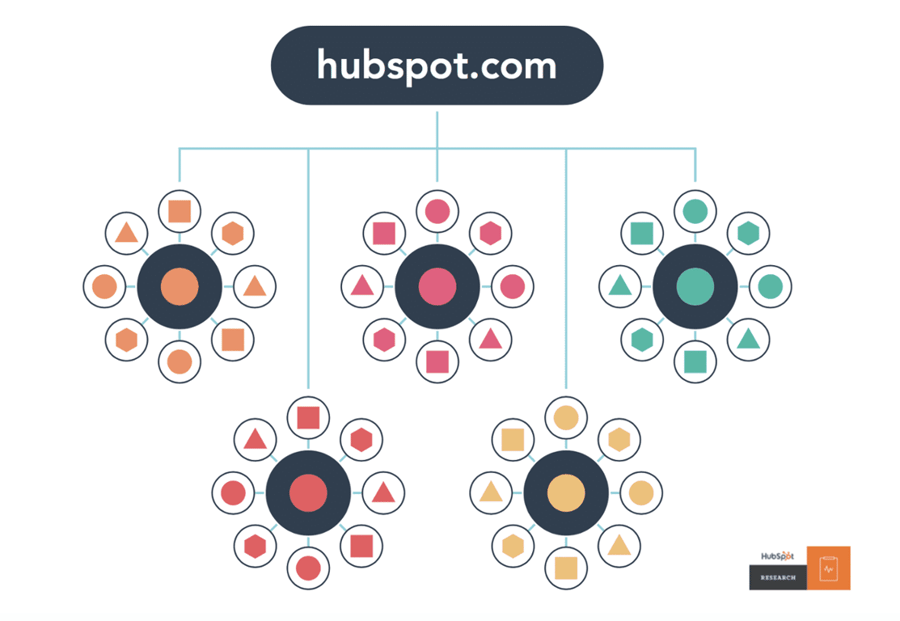
The homepage links to major topic pages, pillar pages link to cluster content, and cluster content links back to the pillar page and to related subtopic content. The result is an information architecture that is easier to understand for both users and crawlers.
Reorganizing internal links around clusters helps search engines crawl content more easily and build semantic relationships between pages. This structure also gives you stronger potential to answer the sub-questions that AI Search generates through query fan-out.
A cluster structure shows that your content offers not just a single page of information on a topic, but a comprehensive, interconnected knowledge hub. That can strengthen the pillar page's authority, the visibility of supporting content and the rate at which users move deeper into your site.
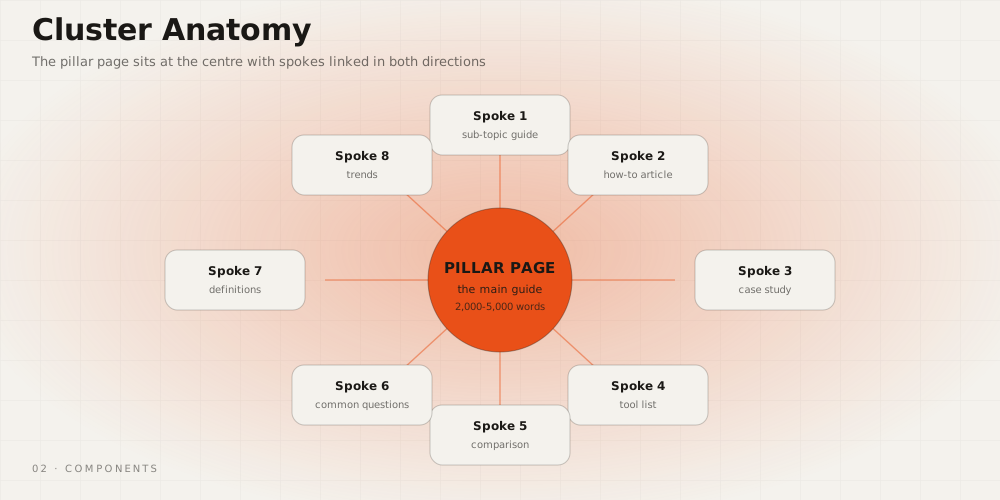
Here is an example of what one of these clusters looks like:
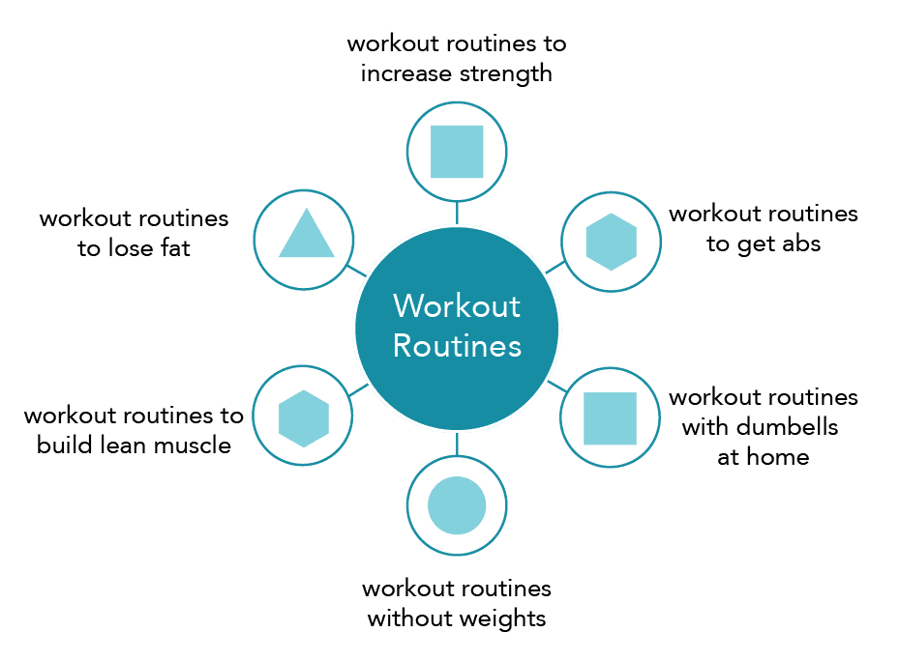
What do you gain from a topic clusters strategy?
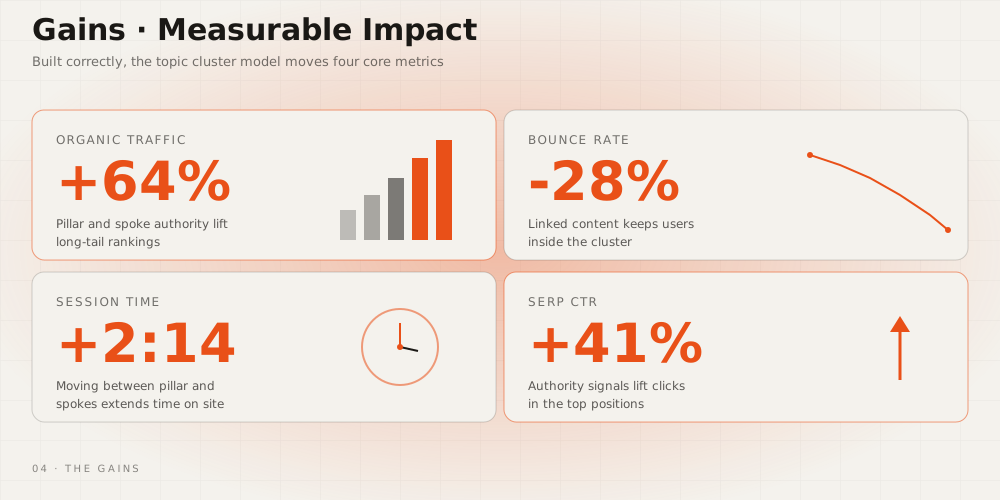
Applied correctly, topic clusters can build a stronger visibility foundation in both classic search results and AI Search experiences. But the goal of this model is not just more traffic. It is about presenting information to users in a more organized way, demonstrating brand expertise and managing your content investment more efficiently.
- Helps users spend more time on your site.
- Ensures similar content supports each other around the same topic.
- Supports organic traffic and qualified user acquisition.
- Strengthens topical authority and brand expertise signals.
- Makes site architecture and internal linking easier to understand.
- Lets you manage content costs more efficiently.
- Creates a citable content structure for AI Search systems.
The organic traffic performance of a previously published blog post that was later added to a content cluster can be evaluated as follows.
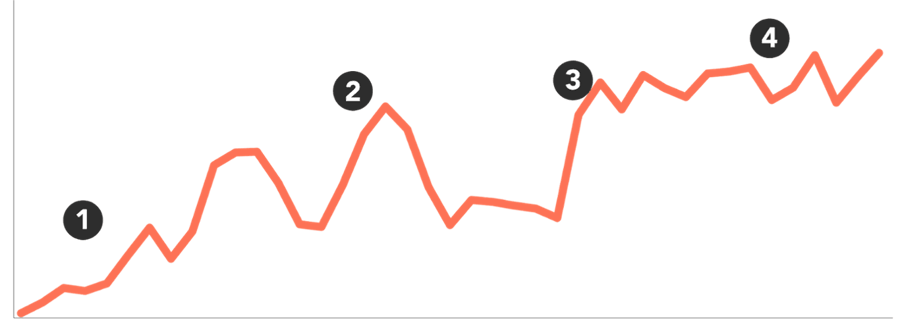
Commonly used pillar page types
- Resource pillar page
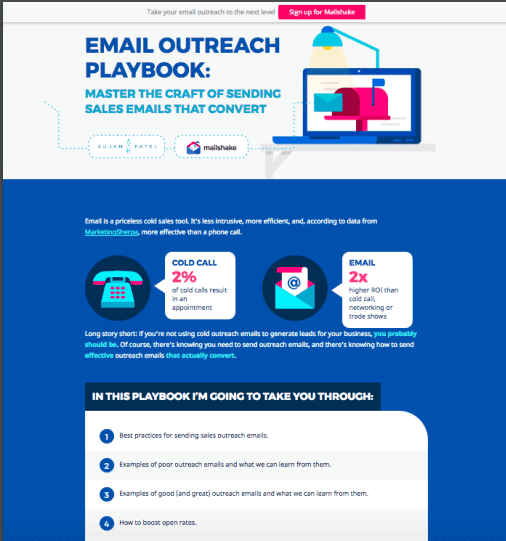
If your broad topic has many subtopics, a resource-style pillar page works well. This model organizes the most important guides, tools, examples, videos, PDFs, reports and subtopic content in one central hub. Users get a comprehensive resource pool on a single topic.
PDFs can still be useful in some industries, but you do not need to force a PDF onto every pillar page. A PDF earns its place when it offers a guide, checklist, template or report that users genuinely want to download, keep or share. Otherwise, the page content should stay accessible as HTML and easy for crawlers to read.
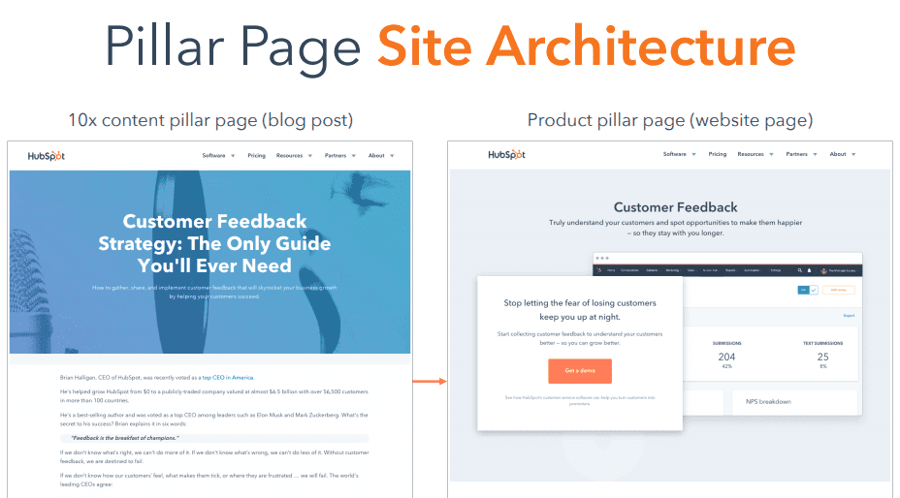
- 10x content pillar page
The 10x content approach aims to build a core resource that is more comprehensive, clearer, more current and more actionable than competing content. This page should be supported with examples, visuals, comparisons, FAQs, expert opinions, sources and internal links.
- Product or service pillar page
Product or service focused pillar pages are particularly strong in B2B and e-commerce projects. These pages should be supported with a service definition, use cases, target audience, decision criteria, comparisons, pricing logic, case examples, FAQs and related cluster content.
Real-world topic cluster examples
Now that we have covered the theory, let's look at some existing examples.
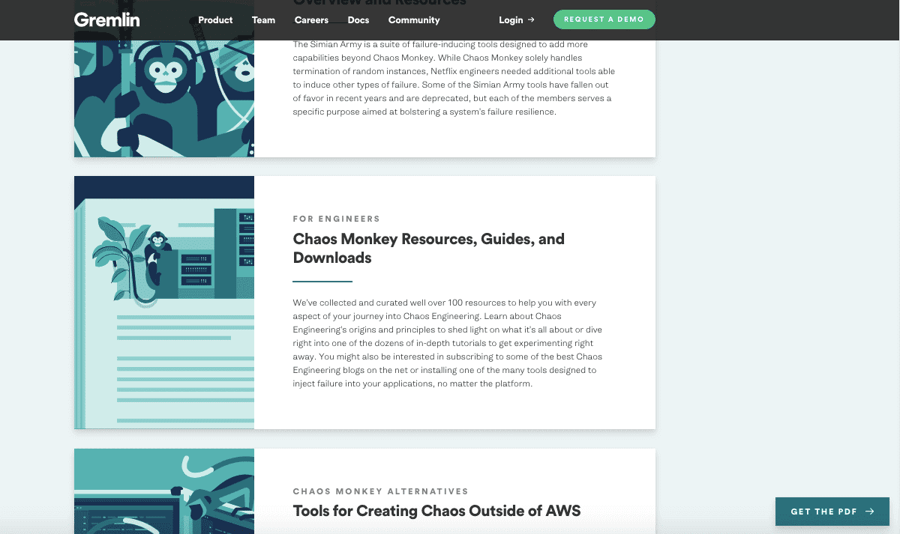
Chaos Monkey Guide for Engineers stands as a well-structured pillar page example. The page treats the Chaos Monkey topic as the core resource and links out to supporting content. This structure makes it easier for users to follow the topic and helps crawlers understand the relationships between pages.
Wikipedia is a strong example for understanding topic clusters thanks to its well-organized internal link structure. It connects pages to related subtopics through in-content links. The structure becomes even more visible through tables of contents, category relationships and linked concepts.
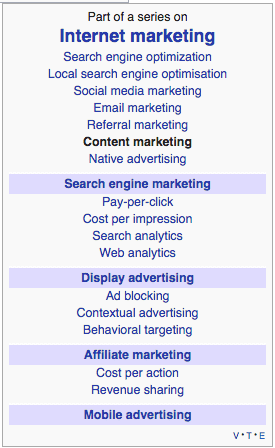
When topics are brought together consistently, Google and AI Search systems can more easily understand which context a page belongs to. This can pay off through enhanced search appearances, becoming a supporting source in AI answers and helping users discover related content.

Tips for moving to the topic clusters model
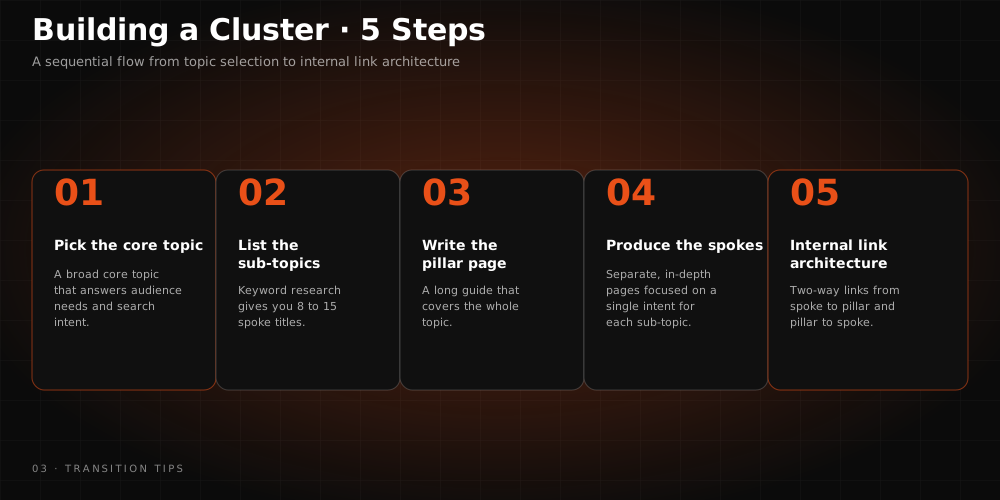
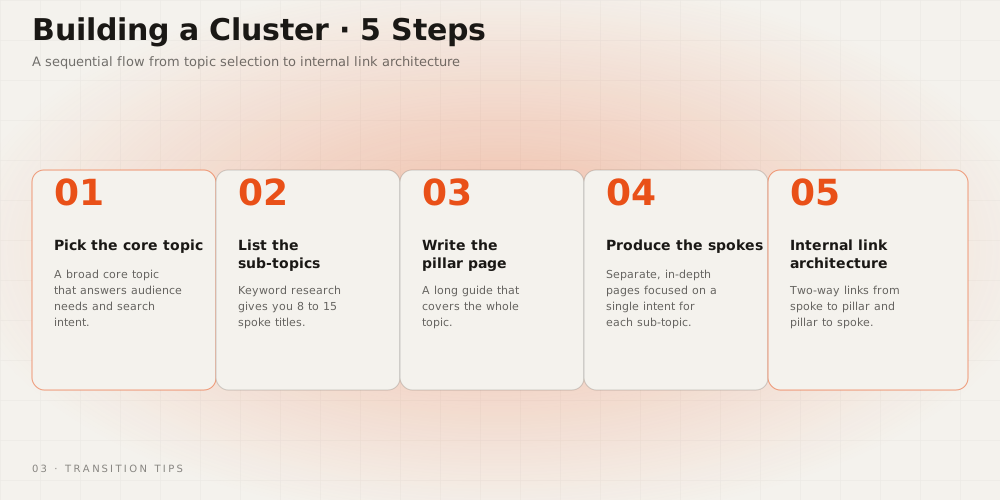
When planning new posts, do not think in single pieces of content. Plan how you can cover a specific topic comprehensively across multiple pieces. Treat one post as the core topic hub and the others as supporting cluster content that digs into the details. As you publish, connect these pieces with mutual, logical internal links.
Topic clusters can be powerful, but start small instead of overhauling the entire site at once. Take inventory of your existing content, identify potential pillar pages, consolidate weak content, refresh outdated pieces and strengthen important pages with internal links.
Beyond that:
- Map the five to ten core problems your audience faces. Draw on surveys, customer interviews, sales team data, Search Console queries, communities and social media feedback.
- Group these problems under broad topic areas.
- Interpret keyword data together with query and prompt clusters, user intent and an entity map.
- Match content ideas to each core topic and subtopic using the pillar-cluster structure.
- Create the content, then measure its impact with Search Console, GA4, generative AI performance reports and conversion data.
- In each cluster, clearly define the short answer, detailed explanation, examples, visuals, sources, FAQ and next-step links.
How do you strengthen topic clusters for GEO and AI Search?
From a GEO perspective, the topic clusters structure helps AI Search systems understand and cite your content more easily. For that, every pillar page needs a clear core topic, and cluster content should complete the sub-questions and intents behind it.
A well-built, AI Search ready topic cluster should include:
- A pillar page that clearly explains the core topic
- Cluster content that covers user questions and prompt variations
- Clear, descriptive, contextual internal link anchor text
- Short answers, definitions, comparisons and examples within the page
- Appropriate schema structures such as Organization, Article, Breadcrumb, FAQ or Product
- Expertise, experience, source and freshness signals
- HTML content that crawlers can access easily and a clear heading structure
A follow-up article could cover "how to build a topic clusters structure" in practice, and the "10x content pillar page" structure could be broken down step by step as well.