FAQ, Glossary, Guide: Powerful Content Formats for AI Search
AI-powered search systems differ from classic search engines in a fundamental way: they focus on semantic coherence and information structure rather than keyword matching alone. That makes content format a critical visibility factor.

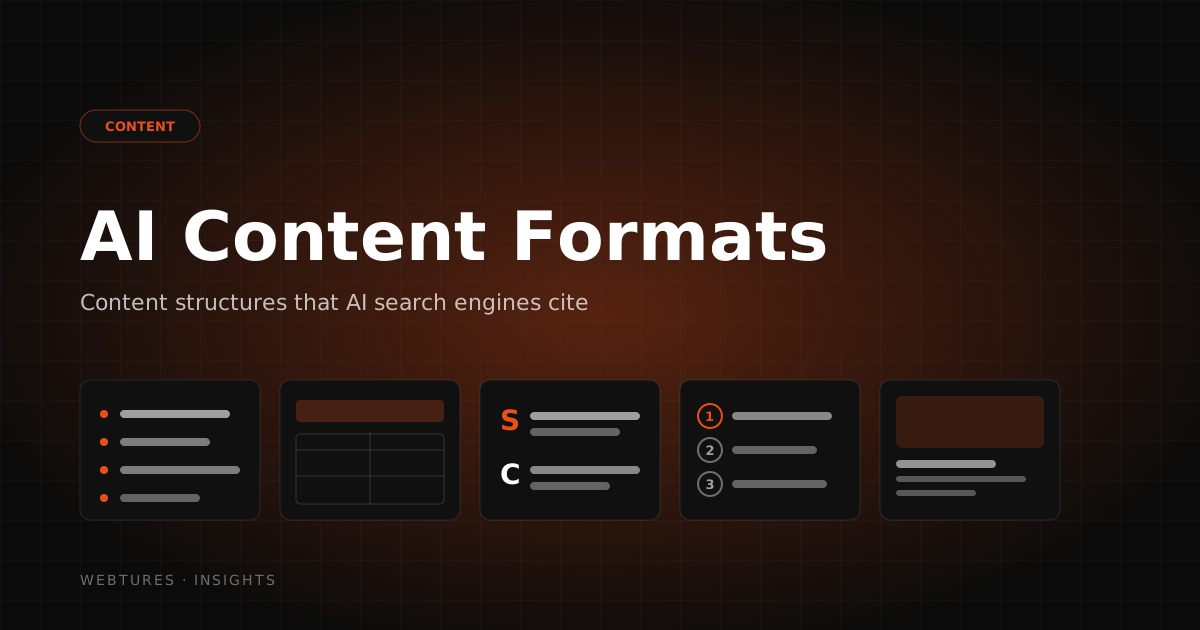
AI-powered search systems differ from classic search engines in a fundamental way: they focus on semantic coherence and information structure rather than keyword matching alone. That makes content format a critical visibility factor. Content types such as FAQ, Glossary, Guide, and Comparison serve different user intents while making it easier for AI models to extract information. These formats ensure content is not just read, but reused and cited.
AI models parse structured, semantically clear content more easily when generating answers. Content production should therefore be approached not only through an SEO lens but with an "answer-ready" perspective, meaning content built to be turned into answers. These four formats cover the different stages of a user's path to information: learning, exploring, comparing, and deciding. Their strategic combination directly shapes a brand's visibility in the AI search landscape.
How do AI search systems evaluate content formats?
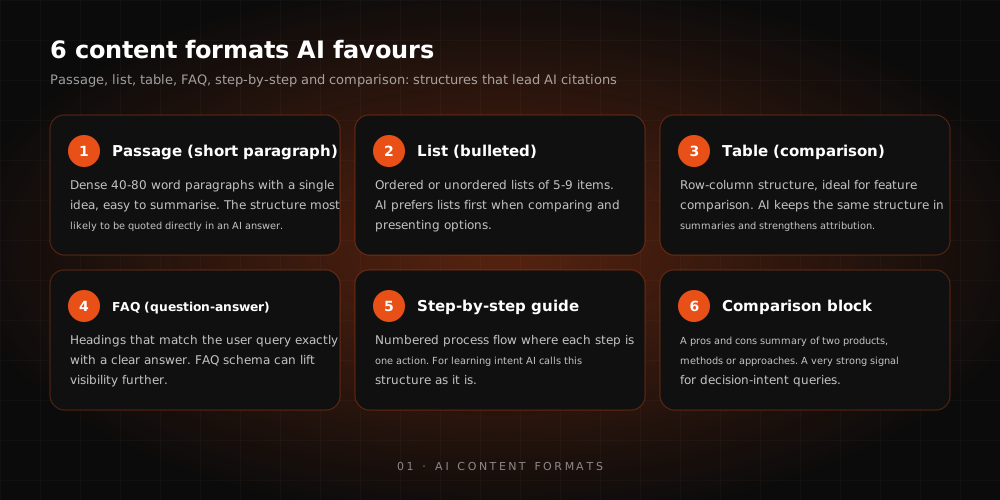
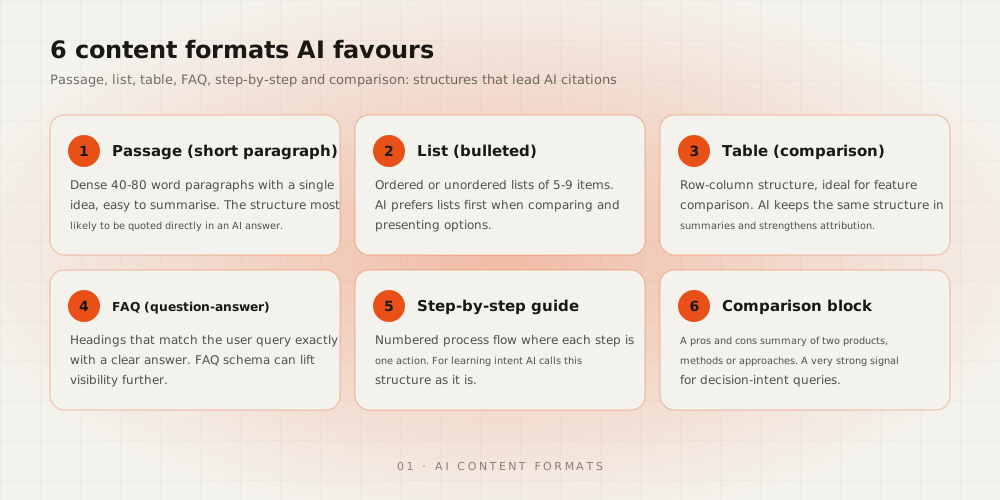
AI search systems analyze content not just at the page level but at the paragraph and even sentence level. Content format is therefore one of the core determinants of the information extraction process. Clear, structured content such as FAQ and Glossary entries is easier for AI models to process because each unit focuses on a single question or concept. Guide and Comparison content, by contrast, supplies broader coverage that strengthens a model's contextual understanding. AI models weigh heading hierarchy, semantic relationships, and entity connections to decide which passages to use in answer generation. Format selection should therefore be optimized for model behavior as well as user experience.
In chunk-level retrieval processes especially, content with a clear, meaningful heading structure earns higher visibility. That elevates format into a strategic element of content production.
The FAQ format: the clearest structure for AI answer engines
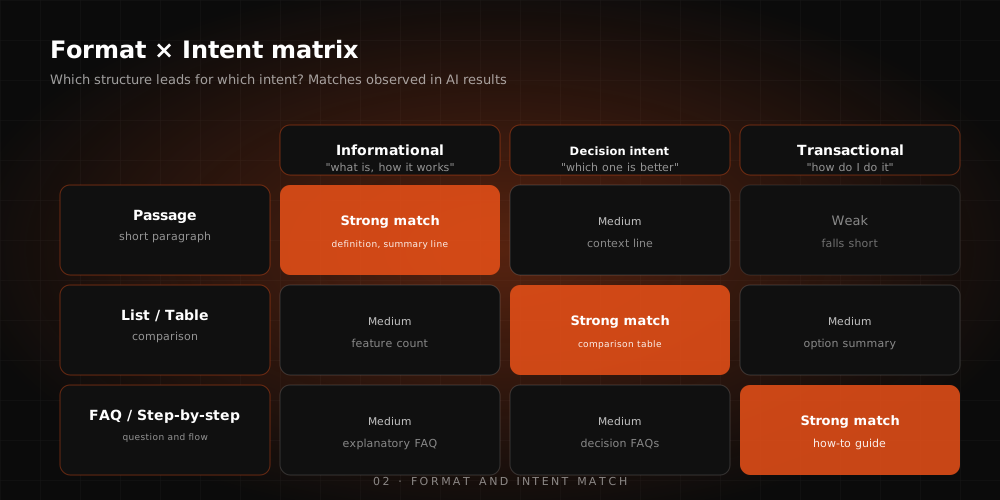
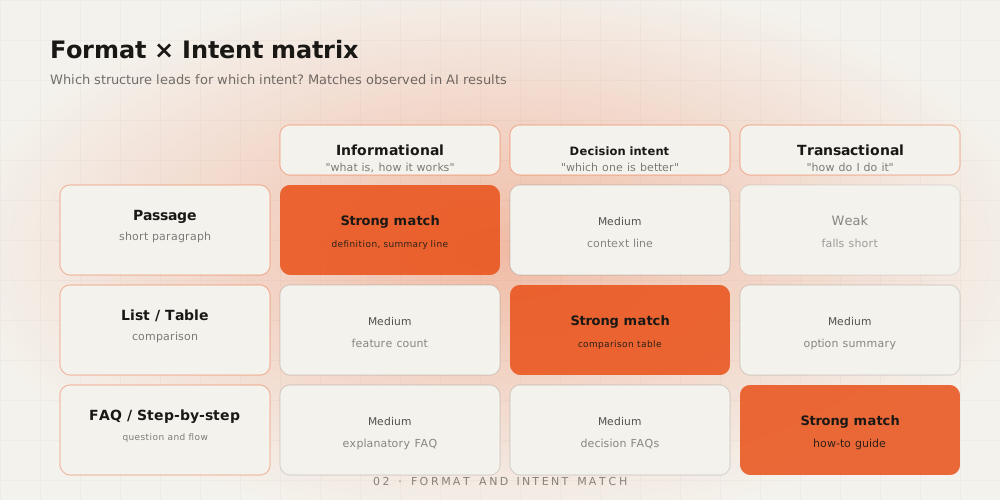
The FAQ format is one of the most efficient content types for AI search systems. Its direct question-and-answer structure maps one to one onto how AI models generate responses. Each question explicitly represents a user intent, while the answer provides directly usable information. That makes it easy for AI systems to quote the content.
FAQ content also performs strongly in traditional search because it aligns with datasets like "People Also Ask". Effective FAQ content, however, requires deep and contextual questions rather than surface-level ones. Do not stop at "What is it?" questions; include "How does it work?" and "When should it be used?" as well. This approach widens the content's semantic coverage. Making each answer meaningful on its own also increases how effectively AI systems can use the content passage by passage.
Question selection and intent analysis in FAQ content
The most critical stage of FAQ content is choosing the right questions. User intent should be analyzed not only through keywords but through user behavior and real search scenarios. AI search systems try to understand the variations of the questions users ask, so covering different question types matters. A balanced mix of informational, comparative, and problem-solving questions widens the content's scope. Writing questions in natural language also makes it easier for AI models to match them against real user queries.
Take an entity-focused approach to question selection and shape each question around a specific concept or topic. That way the content does more than convey information; it builds authority around specific subjects. This structure helps AI systems treat the content as a more trustworthy source.
How the FAQ format contributes to AI visibility
The FAQ format delivers a major visibility advantage because it makes it easy for AI systems to quote content directly. When it offers short, precise answers, AI models tend to treat it as the "ideal answer". Each question-answer pair can also stand alone as an independent content unit, which makes the content visible across a range of different queries.
FAQ content also raises the odds of appearing in featured snippets and AI overviews, because the format keeps information density high and structure tidy. Sustaining that advantage requires regular updates. AI systems prioritize current, accurate information, so FAQ content should stay dynamic and be continuously optimized based on user feedback.
The Glossary format: concept-focused, AI-friendly content
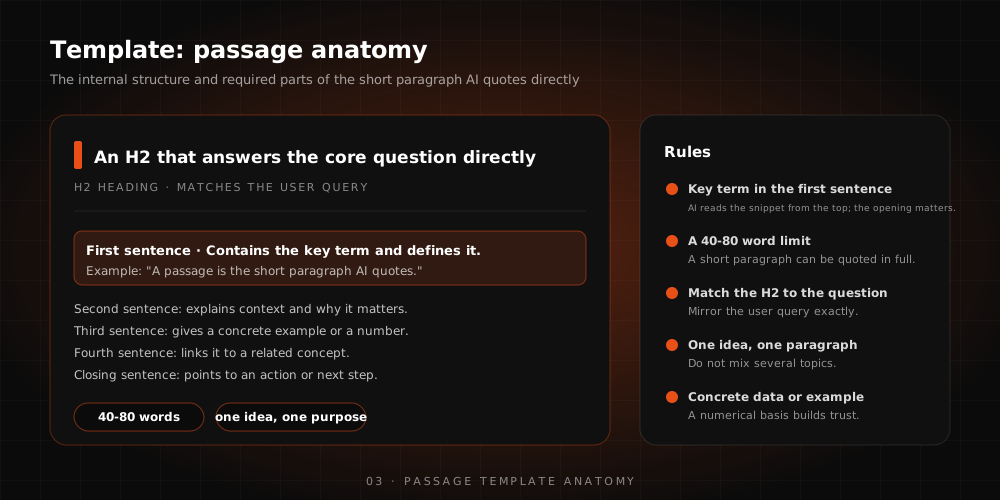
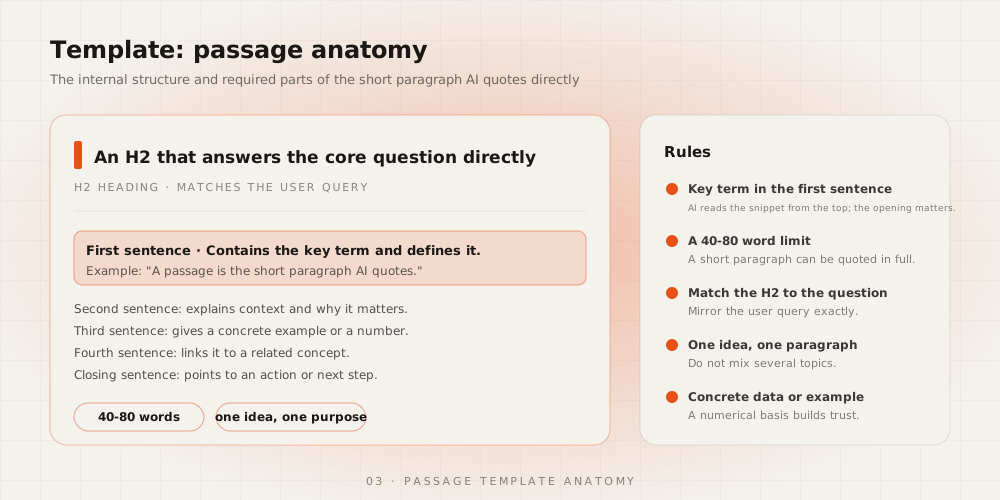
Glossary content forms a powerful reference source for AI search systems, especially in technical and industry-specific subjects. The format offers precise, concise definitions of specific concepts, making the content easier to understand. AI models actively use glossary content when identifying entities and mapping relationships between concepts, so every definition must be clear, accurate, and contextual. Glossary content also forms the foundational building blocks of a content ecosystem, because other content types reference these concepts. That structure strengthens the site's internal semantic network. Glossary entries also improve the user experience by satisfying the need for quick answers. AI systems generally treat this kind of content as a reliable information source and draw on it first when generating answers.
How to build an entity-based glossary structure
An entity-based approach helps AI understand glossary content far better. Each concept should not merely be defined; it should be linked to related concepts. This creates a knowledge network within the content and makes contextual analysis easier for AI systems. In an SEO glossary, for example, concepts like "crawl", "index", and "ranking" should be structured to reference one another. This approach lets the content contribute to knowledge generation rather than simply presenting information. Making each definition original and detailed also raises the content's authority. Prefer entries that explain a concept's use cases and significance over short, superficial definitions. That is how glossary content becomes a powerful knowledge source for AI systems.
The Guide format: deep, contextual content structure
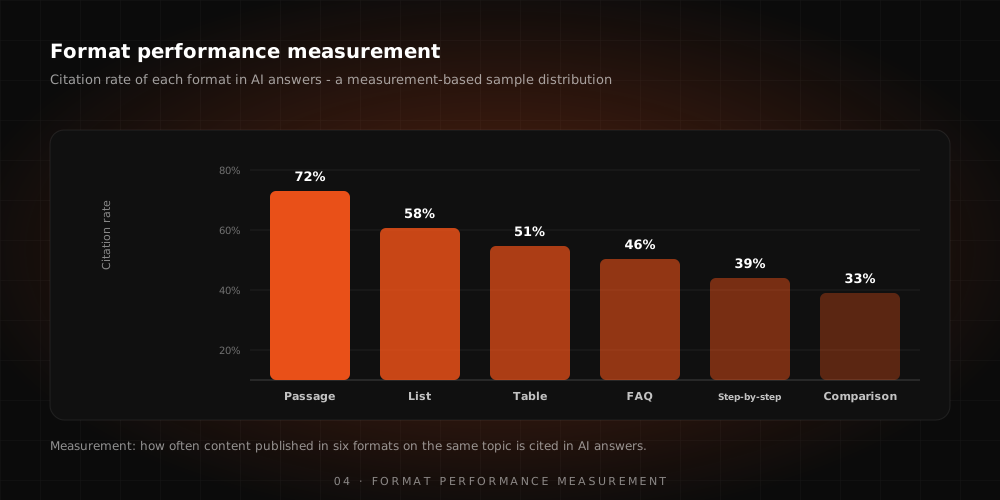
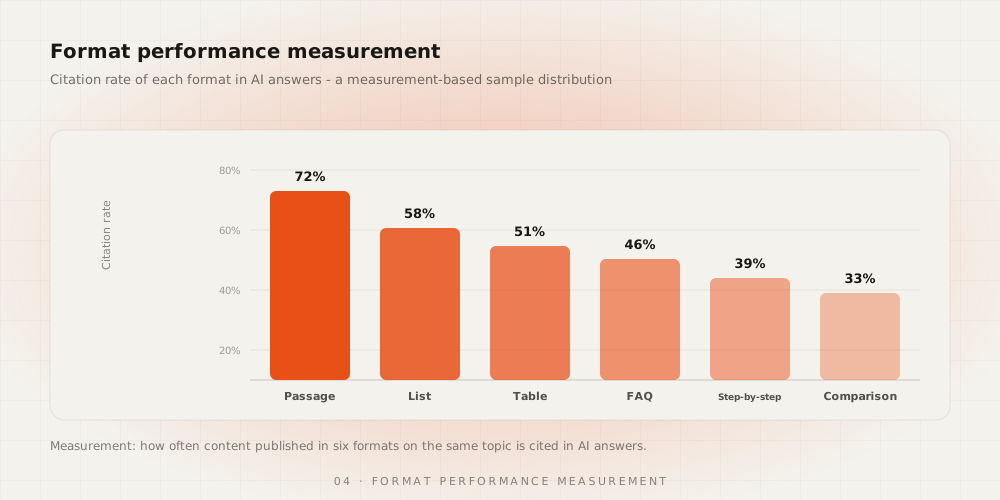
Guide content is one of the most detailed content types, helping users build comprehensive knowledge of a specific topic. The format typically includes step-by-step instruction, examples, and strategic takeaways. AI search systems treat guides as contextual knowledge sources and draw on them especially when answering complex questions. Guides do more than present information; they show users the way. The content therefore needs a logical flow and a strong structure. Subheadings within guide content also make it easier for AI systems to break the material into usable pieces, which makes the content available for a wider range of queries. The guide format performs particularly well for queries like "how to" and "which steps to follow".
Why step-by-step structure matters in guide content
Step-by-step structure plays a critical role in guide content for both user experience and AI visibility. It makes complex information easier to grasp and helps users follow the content without losing the thread. AI systems likewise analyze this kind of structured content more easily and use it in answer generation. Expressing each step clearly and precisely raises the content's accuracy and reliability. Logical connections between steps preserve the content's integrity. This structure keeps users from getting lost, especially in long, detailed pieces. AI systems generally treat such content as a comprehensive knowledge source and apply it to broader query sets. In guide content, structure matters at least as much as the content itself.
The Comparison format: content that supports decision-making
Comparison content is one of the most effective formats for helping users choose between options. It is especially critical for users with purchase intent. AI search systems frequently draw on comparison content when making recommendations, because it weighs alternatives objectively. Comparison content requires clearly defined criteria. Presenting features, advantages, and disadvantages in a balanced way raises the content's credibility. Tables help readers absorb the information faster. The comparison format performs particularly well for queries like "X vs Y" or "which is better", which makes it an important part of conversion-focused content strategies.
Objectivity and data usage in comparison content
Objectivity is the single most important trust factor in comparison content. AI systems deprioritize content that is biased or incomplete, so comparisons should be data-driven and balanced. Noting both the strengths and weaknesses of each option raises the content's credibility. Including real usage scenarios also makes the decision easier for users. Tables present information quickly and clearly, but they should be accompanied by explanatory text. This approach improves both the user experience and how well AI systems understand the content. A strong comparison piece does more than inform; it gives the user clear direction.
How should these four formats be used together?
Using the FAQ, Glossary, Guide, and Comparison formats together gives a content strategy a coherent overall structure. The formats cover different stages of the user journey and complement one another. Glossary content explains the core concepts, while guide content shows how to apply them. FAQ content answers users' specific questions, and comparison content supports the final decision. This structure makes the content ecosystem stronger and more sustainable. Cross-referencing between formats also reinforces internal linking and helps AI systems understand the content better. This strategic approach delivers meaningful advantages not just for organic traffic but for AI visibility as well.