AI in the Logistics Sector: Report
Explore how AI is transforming logistics, from route optimization and demand forecasting to autonomous delivery, with findings from leading sector reports.


The logistics sector has faced rapidly shifting dynamics in recent years, and artificial intelligence (AI) sits at the center of that change. The technology delivers efficiency and transparency across logistics processes while opening new strategic opportunities for every stakeholder in the sector. The 2024 State of Supply Chain report analyzes in depth the role AI and other emerging technologies play across the industry. Drawing on survey results and expert interviews, the report highlights not only the innovations these technologies bring but also the growing weight of concepts such as sustainability and compliance.
The growing importance of AI in logistics
The logistics sector is drawing ever greater value from the transformative potential of artificial intelligence. AI plays an active role across every stage of the logistics chain, from planning and inventory management to transportation optimization and customer service. According to the research report, AI's impact on quality assurance and operational efficiency in particular has resonated strongly across the industry. Survey results show that 82 percent of participants expect technology to have a major impact on the supply chain within the next five years.
How AI is revolutionizing logistics
Artificial intelligence carries the potential to revolutionize the logistics sector, and that revolution is most visible in automation, efficiency, and decision-making. Traditional logistics methods typically rely on manual processes, which can increase both lost time and error rates. With AI technologies in place, many of these operations can be automated, significantly improving both the speed and the accuracy of day-to-day work.
How AI technologies have evolved
The evolution of AI technologies has emerged as a major transformation lever for the logistics sector. The journey began with foundational AI techniques such as data analytics and machine learning, and has since matured into far more sophisticated systems. While the use of AI in logistics was initially limited to data collection and analysis, it now spans a much wider set of applications including forecasting models, route optimization, and customer service.

What impact is AI having on the logistics sector?
The use of artificial intelligence in logistics has fundamentally reshaped operational processes, breaking new ground in efficiency, cost optimization, and innovative solutions. The findings highlighted in the research report make clear how deeply AI integration affects supply chains. Used effectively, the technology gives the sector a substantial advantage, particularly through productivity gains and lower operational costs.
AI's effect on operational efficiency
AI's effect on operational efficiency has brought genuinely transformative innovation to logistics. In the research report, 82 percent of participants said they expect AI's influence on supply chains to grow further in the coming years. AI delivers meaningful improvements in areas such as quality control, process optimization, and risk management. By raising efficiency across operational processes, the technology helps reduce costs and puts resources to more effective use.
Innovative solutions enabled by AI
AI technology gives businesses a competitive edge by delivering innovative solutions across the logistics sector. These solutions do more than raise efficiency at every stage of the supply chain; they also lift customer satisfaction to its highest level. AI-based systems make transportation and delivery processes more efficient through route optimization, for example, shortening delivery times and cutting costs. These innovations strengthen the competitiveness of logistics businesses while playing a key role in meeting customer expectations.
Who is the AI in logistics sector report for?
This report on artificial intelligence in logistics addresses a broad audience, from executives and decision makers at every level to investors and industry professionals. By examining current trends in the sector, the opportunities AI presents, and the challenges it raises, the report offers strategic insight to the industry's key players. Decision makers at the management level in particular can learn how AI applications can be optimized across logistics processes and how strategic advantages can be captured.
Executives and decision makers
Executives and decision makers in the logistics sector can use this report to understand the strategic opportunities AI technologies offer and how those opportunities can be integrated into their business processes. Aimed squarely at the management level, the research report details AI's contribution to decision-making and the effect of that contribution on business performance. AI-supported data analytics and forecasting models enable executives to make more strategic decisions, which in turn strengthens their organizations' competitiveness.
Investors and professionals
AI applications in logistics present significant opportunities for investors and professionals alike. Investors in particular can pursue strategic investments in the sector thanks to the efficiency gains and cost reductions AI delivers. The findings in the research report examine AI's effects on the industry and the investment opportunities ahead in detail, offering investors practical guidance.
Market research and situation analysis
The use of AI technologies in logistics has fundamentally altered the sector's dynamics, making market research and situation analysis more important than ever. In an industry digitalizing at an increasing pace, the effects of digital transformation are examined in depth alongside fundamentals such as market size and key players. By analyzing current trends and developments, the research report offers meaningful foresight into the sector's future. These analyses help us better understand where the industry's main players sit within the market and how they are positioning strategically.
Current trends and developments in the sector
Digitalization and technological innovation have accelerated across the logistics sector in recent years. According to the research report, the main trends include growing use of artificial intelligence, big data analytics, IoT (the Internet of Things), and blockchain. These technologies are being deployed to raise efficiency in logistics processes, lower costs, and maximize customer satisfaction. In particular, AI-driven automation and optimization solutions allow logistics processes to be managed faster and more accurately.
Market size and key players
The size of the logistics market and the sector's key players are critical to understanding the industry's overall dynamics. Data cited in the research report shows that the global logistics sector carries substantial market value, and that value continues to grow. According to the report, digitalization and technological innovation are expanding the market even further. The sector's leading players are capitalizing on that growth, increasing their market share and securing competitive advantage.
The effects of digital transformation
Digital transformation has had a profound effect on logistics, and that effect is felt across every part of the sector. Digitalization allows logistics processes to be managed more efficiently while enabling companies to meet customer expectations faster. According to DHL's CSI Logistics Trend Radar 6.0 report, the combination of digitalization and artificial intelligence is driving a radical transformation across the industry. This transformation not only raises operational efficiency; it also strengthens the competitiveness of logistics companies.

Applications of AI technologies in logistics
Applications of AI technologies in the logistics sector matter enormously for making operational processes more efficient and securing competitive advantage. AI-based automation systems and data analytics solutions have brought transformative innovation to logistics processes. According to the research report, the spread of these technologies across the sector is lifting overall performance and enabling companies to respond to customer demand faster.
AI-based automation systems
AI-based automation systems play a critical role not only in raising efficiency across logistics processes but also in minimizing error rates. By reducing manual work in inventory management, warehousing, order processing, and transportation, automation systems lower companies' operational costs. Data in the research report shows that businesses using AI-based automation systems have recorded significant increases in operational efficiency.
Data analytics and forecasting models
Data analytics and forecasting models represent one of the most widespread and effective uses of AI technology in logistics. Drawing on insights from historical data, these models enable future logistics processes to be planned with far greater accuracy. Highlighted in the CSI Logistics Trend Radar report, these technologies improve efficiency across many processes, from inventory management to route planning, by producing more accurate forecasts for logistics operations.

How is AI applied across the logistics sector?
Artificial intelligence technologies are driving a substantial transformation across logistics, playing an active role in warehouse management, transportation, and distribution. The AI applications highlighted in the research and CSI Logistics Trend Radar reports stand out as primary sources of the sector's efficiency gains and cost reductions. By helping create faster, more accurate, and more efficient processes at every stage of logistics operations, these technologies enable companies to secure competitive advantage.
AI's role in warehouse management and transportation
Warehouse management and transportation are among the most complex and critical elements of logistics operations. Through the solutions it delivers at every stage of these processes, AI both lowers costs and raises operational speed and efficiency. According to the research report, AI-supported warehouse automation improves accuracy in inventory management while enabling stock levels to be optimized and logistics costs to be reduced.
Warehouse automation with AI
Warehouse automation is one of the most tangible applications of AI technology in logistics. Automation systems powered by AI dramatically reduce manual work in warehouse management, raising operational efficiency and minimizing errors. The research report notes that AI-based automation systems deliver efficiency gains of up to 30 percent in inventory management. This allows businesses to cut costs while running warehouse operations faster and more accurately.
Transportation and distribution optimization with AI
The use of AI technologies in transportation and distribution gives logistics companies a serious competitive advantage. The technology delivers meaningful improvements across critical processes such as route optimization, vehicle load capacity management, and delivery scheduling. The CSI Logistics Trend Radar report highlights that AI-supported route optimization reduces delivery times by up to 20 percent, driving a corresponding lift in customer satisfaction.

Improving planning processes with AI
Planning processes are critical to running logistics operations efficiently. AI technologies reduce the complexity in these processes, enabling faster and more accurate decisions while increasing the flexibility and adaptability of logistics companies. The research and CSI Logistics Trend Radar reports underline the advantages AI brings to planning, detailing how these technologies are transforming logistics operations.
AI's effect on route optimization
Route optimization is one of the most critical levers for efficiency in logistics, and AI is driving a significant transformation in this area. AI-supported systems identify the most suitable routes across transportation and distribution, shortening delivery times and minimizing costs. According to the CSI Logistics Trend Radar report, AI-based route optimization allows logistics companies to save time while substantially lowering their operational costs.
These systems consider not only distance or time but also variables such as traffic conditions, weather, and the density of delivery points. By analyzing this data in real time, AI always determines the optimal route, making the transportation process more efficient and more flexible. AI-supported route optimization has become a competitive tool for logistics companies, particularly for overcoming challenges such as heavy traffic in major cities.
AI-supported demand forecasting models
AI technologies also bring meaningful innovation to demand forecasting, making logistics operations more accurate and more efficient. Demand forecasts form the foundation of logistics planning, and their accuracy directly affects many critical processes, from inventory management to transportation capacity. Findings in the research report show that AI-supported demand forecasting models give logistics companies significant advantages and raise operational efficiency.
AI-powered demand forecasting models use big data analytics to analyze historical sales data, market trends, and other relevant factors. Future demand levels can therefore be predicted with greater accuracy, and inventory levels, production planning, and transportation capacity optimized accordingly. Particularly in periods of high demand volatility, these models enable logistics companies to cut unnecessary stock costs and minimize the risk of stockouts.

Customer service is evolving with AI
In logistics, customer service is critical for lifting customer satisfaction and securing competitive advantage. AI technologies are revolutionizing customer service by making it faster, more personalized, and available around the clock. According to the research report, AI-supported customer service plays a significant role in improving logistics companies' customer relationships and raising satisfaction levels.
The impact of chatbots
Chatbots are among the most widespread and effective applications of AI technology in customer service. AI-based chatbots give customers fast and accurate answers, raising the efficiency of customer service processes and minimizing human error. According to the research report, chatbots play an important role as the first point of contact in customer service and measurably improve customer satisfaction.
Chatbots allow logistics companies to offer customer support 24/7. This is a major advantage for companies operating at a global scale, since it means customers in different time zones can receive an immediate response. By answering frequently asked questions automatically, chatbots lighten the workload of customer service representatives, freeing them to focus on more complex issues. This raises the overall quality of customer service and lifts customer satisfaction to a higher level.
Round-the-clock support systems powered by AI
With the capacity to provide uninterrupted 24/7 support, AI technologies are raising customer satisfaction across the logistics sector. AI-supported systems respond to customers at any hour, offering the flexibility to meet customer requests immediately. According to the CSI Logistics Trend Radar report, 24/7 support systems improve customer satisfaction and help logistics companies gain a competitive edge in customer service.
Data management and analytics with AI
Artificial intelligence technologies are fundamentally changing data management and analytics in logistics, giving businesses the ability to manage and analyze big data far more effectively. As the research report notes, AI-supported data analytics has become a critical tool for logistics companies looking to raise operational efficiency, reduce risk, and make more strategic decisions.
These technologies automate the collection, processing, and analysis of data across logistics processes, allowing businesses to extract meaningful insight from large data sets. AI-based data analytics solutions enable logistics companies to make data-driven strategic decisions, strengthening their competitive position in the market. At the same time, these systems make important contributions to data security and privacy, reinforcing logistics companies' regulatory compliance and customer trust.
Managing big data with AI
Big data is vital to managing operational processes efficiently in logistics. Through the innovations it brings to big data management, AI raises the performance and productivity of logistics companies. According to the research report, AI-supported data management systems allow large data sets to be processed rapidly and strategic insight to be drawn from them.
Working in tandem with big data analytics, AI surfaces critical information for improving efficiency across logistics processes. These systems analyze the large data sets generated by logistics operations to identify trends, market opportunities, and potential risks. Effective use of big data in demand forecasting, inventory management, and transportation, for instance, enables more accurate decisions at every stage of logistics operations. That helps logistics companies lower costs, raise operational efficiency, and keep customers satisfied.
Supporting decision-making with AI
AI supports decision-making across the logistics sector, enabling businesses to make faster, more accurate, and more data-driven choices. According to the CSI Logistics Trend Radar report, AI-supported decision-making increases the operational flexibility of logistics companies and improves their strategic planning.
Integrated with big data analytics, these systems reduce complexity in logistics processes and give businesses the insight they need to make better decisions. In supply chain management, for example, AI-supported decision systems evaluate risk factors and propose alternative sourcing strategies. This allows logistics companies to detect potential supply chain disruptions in advance and take proactive measures against those risks.
What opportunities can AI create in logistics?
Artificial intelligence technologies are creating significant opportunities across the logistics sector, spanning everything from operational efficiency to customer satisfaction. These opportunities go beyond overcoming the sector's current challenges; they also carry the potential to create new business models and revenue streams. The research and CSI Logistics Trend Radar reports examine in detail how AI presents transformational opportunities for logistics and what those opportunities could mean for the industry.
Efficiency gains
One of the biggest opportunities AI technologies can create in logistics is a substantial increase in operational efficiency. AI raises efficiency at every stage of the logistics chain, reducing manual errors and allowing operations to be completed faster. According to the research report, AI-supported automation solutions enable logistics companies to optimize their operational processes and lower their costs.
AI-based systems optimize stock levels in warehouse management, improve route planning in transportation, and provide instant feedback in customer service to lift satisfaction. This helps logistics companies strengthen their competitiveness and move toward a leading position in the sector. AI-supported data analytics solutions also detect risks in logistics processes in advance, enabling proactive measures against them. That allows logistics companies to run more flexible and more resilient operations.
Cost reduction
AI also presents major opportunities for cutting costs across the logistics sector. AI-supported automation and optimization solutions help eliminate unnecessary spending in operational processes. According to the CSI Logistics Trend Radar report, systems working in tandem with AI reduce labor costs while optimizing fuel consumption in transportation and distribution, minimizing energy costs as well.
Cost reduction opportunities also appear in AI-supported supply chain management. By optimizing inventory management across the supply chain, AI removes unnecessary stock costs and prevents stockout situations. This allows logistics companies both to lower their operational costs and to respond to customer demand faster and more effectively. As a result, AI technologies contribute to minimizing costs across the sector, improving business profitability and delivering competitive advantage in the market.
Innovative solutions
By delivering innovative solutions across the logistics sector, AI provides businesses with both operational and strategic advantages. AI-supported solutions allow logistics processes to be managed more flexibly and faster. As the research report notes, the innovations AI brings, particularly in big data analytics, machine learning, and automation, enable logistics companies to develop more innovative business models.
These innovative solutions show up across customer service, supply chain management, and transportation. AI-based customer service solutions, for instance, respond to customer requests instantly, raising satisfaction and reinforcing loyalty. AI-supported data analytics solutions also help logistics companies better understand market trends and adapt to them quickly. That enables companies to respond faster to shifts in the market and sustain their competitive advantage.
What challenges does AI face in logistics?
While artificial intelligence technologies create major opportunities in logistics, they also confront a range of challenges and obstacles. These challenges include the technical, economic, and organizational issues that arise as the technology is adopted and put to productive use. The research and CSI Logistics Trend Radar reports examine in detail the main obstacles to AI's spread across the logistics sector and the strategies recommended for overcoming them.
These challenges create significant barriers to fully realizing AI's potential in logistics. Factors ranging from technology adoption processes and high costs to data security concerns and human resources management can make it harder to use AI solutions effectively. Logistics companies that anticipate these challenges and develop appropriate strategies will be best placed to capture the full advantages AI provides.
High implementation costs
One of the biggest obstacles to applying AI technologies in logistics is the high upfront cost. Developing, deploying, and integrating AI systems requires significant capital investment. According to the research report, these costs represent a major barrier to AI adoption, particularly for small and medium-sized enterprises (SMEs).
High implementation costs cover not only hardware and software purchases but also the cost of integrating these systems into business processes and training employees to adapt to the new technology. For AI systems to work effectively, large data sets are required, and collecting, storing, and analyzing that data generates additional expense. Keeping AI solutions continuously updated and maintained adds to the ongoing costs as well. This can make AI investment difficult, especially for businesses working with limited budgets.
Data security and privacy
Another major challenge in applying AI technologies in logistics concerns data security and privacy. AI systems process large volumes of data to generate insight, and much of that data contains sensitive information such as trade secrets, customer records, and operational details. According to the CSI Logistics Trend Radar report, the security and privacy of this data is one of the most critical issues logistics companies face when adopting AI solutions.
Data security challenges are compounded by the vulnerability of AI systems to external attacks. Cyberattacks increase the risk that data stored in these systems will be stolen or damaged. Regulatory requirements around data privacy, notably laws such as the European Union's General Data Protection Regulation (GDPR), further complicate how businesses collect and process data. Complying with these regulations requires logistics companies to make additional investments to keep their AI systems secure and compliant.
Adoption difficulties
Another significant challenge in adopting AI technologies across logistics is the difficulty of adaptation itself. These difficulties span both technological alignment and organizational change. According to the research report, successful integration of AI solutions requires businesses to have the infrastructure and capabilities needed to adapt to the technology.
Adoption difficulties generally fall under three headings: technological adaptation, employee adaptation to new technologies, and shifts in organizational culture. Technological adaptation requires bringing existing systems into alignment with AI solutions, which can sometimes mean fully replacing or substantially upgrading current infrastructure. Employee adaptation means ensuring staff have the knowledge and skills needed to use AI systems effectively, which typically requires additional training and education programs. Shifts in organizational culture, meanwhile, require businesses to stay flexible and open to change so AI solutions can genuinely take hold.
Successful examples of AI in logistics
The application of AI technologies in logistics has produced remarkable success stories for many companies. These successes have gone beyond raising operational efficiency; they have also contributed to cost savings, higher customer satisfaction, and strategic competitive advantage. The research and CSI Logistics Trend Radar reports examine successful implementations achieved by integrating AI into logistics processes and identify the strategic factors behind those results.
These success stories demonstrate the potential AI technologies hold for the logistics sector while inspiring other companies to invest in them. The results show how businesses across the industry can optimize their operational performance and strengthen their position in the market through AI.
Companies gaining cost advantages through AI
Applying AI technologies to logistics processes has delivered significant cost advantages for many companies. AI solutions such as big data analytics, automation, and forecasting models in particular have helped firms substantially reduce their operational costs. In one example cited in the research report, a global logistics company cut its transportation costs by 20 percent using AI-based route optimization and inventory management systems.
This success was made possible by the company's effective integration of AI-supported automation systems. The AI-driven systems it developed raised efficiency at every stage of its logistics operations, preventing unnecessary spending. In inventory management, for instance, AI algorithms were used to optimize stock levels, eliminating the cost of holding excess inventory. At the same time, AI-based route optimization identified shorter and more efficient routes, minimizing both fuel consumption and delivery times.

AI applications that raised customer satisfaction
AI technologies have also achieved notable success in raising customer satisfaction across the logistics sector. AI-based customer service solutions enable faster and more effective responses to customer requests, lifting satisfaction to a higher level. In a case examined in the CSI Logistics Trend Radar report, a major e-commerce company improved its customer service using AI-supported chatbots and forecasting models, increasing customer satisfaction by 15 percent.
This success came from integrating AI technologies into the company's customer service processes. AI-based chatbots answered customers' frequently asked questions instantly, easing the workload of service representatives and enabling customer requests to be handled faster. AI-supported forecasting models also allowed customer orders to be predicted more accurately, and inventory management processes were optimized around those predictions. Orders were consequently delivered faster and more accurately, and customer satisfaction rose as a result.
Failed AI implementations in logistics and the lessons learned
While AI technologies hold great potential for logistics, their implementation does not always deliver the intended results. Some AI projects fail due to insufficient planning, poorly defined strategies, or technical obstacles. The research and CSI Logistics Trend Radar reports examine failed AI implementations in the logistics sector and the lessons drawn from those experiences, highlighting what such projects need to get right.
These failure cases offer important lessons for other companies and help them avoid common pitfalls in AI projects. Sound planning, appropriate resource allocation, and organizational changes suited to the technology are critical to implementing AI successfully.
Problems encountered in AI implementations
One of the root causes of failure in AI implementations is the complexity of the technology combined with insufficient preparation by the companies adopting it. According to the research report, some logistics firms lacked the data quality and volume needed when deploying AI solutions, and their projects fell short of expectations as a result. Insufficient data can prevent AI algorithms from working correctly and lead to misleading forecasts.
Another common problem is the difficulty of integrating AI projects into business processes. Some companies, for example, struggled to integrate AI systems with their existing IT infrastructure, which raised project costs and extended implementation timelines. Problems with employee adaptation to the new technology also prevented AI solutions from being used productively. When staff lack the necessary knowledge and skills, the effectiveness of AI systems drops and projects can fail.
Strategic lessons drawn from failures
One of the most important lessons drawn from failed AI projects is the value of solid planning and preparation. The research report stresses that for AI projects to succeed, companies must allocate sufficient resources, have the right data sets in place, and prepare their employees for the technology. Adequate data quality and volume are critical to ensuring AI algorithms work correctly.
Another key lesson concerns managing organizational change. AI technologies should be treated not merely as a technical innovation but as an organizational transformation. Employees need the training required to adapt to the change, and the organizational structure must be aligned with the new technology. This ensures AI projects are successfully integrated into business processes and reduces the risk of failure.
Finally, to avoid failure, a phased approach to AI projects is recommended. Starting with small pilot projects and scaling up based on their results reduces risk and makes project management more effective. This strategy can help logistics companies adopt AI solutions more safely and more successfully.
The future role of AI in the logistics sector
Artificial intelligence is gaining ever greater importance in logistics, and the technology's role in the sector is expected to expand further in the years ahead. The research and CSI Logistics Trend Radar reports offer critical foresight into how AI will shape the future of logistics. They show that AI has the potential not only to improve current operations but also to transform the sector's fundamental structure.
In the future, AI will make logistics operations more predictable, more flexible, and more efficient. Innovative applications such as autonomous vehicles, drone deliveries, and smart warehousing systems will deepen AI's impact on logistics processes even further. These technologies will help the sector achieve not only its efficiency and cost-saving goals but also strategic objectives such as sustainability and customer satisfaction.

Autonomous vehicles and AI
Autonomous vehicles are one of the most striking applications of AI in logistics, and their role in the sector will grow steadily. Autonomous trucks and vehicles minimize human intervention in logistics processes, lowering transportation costs and speeding up deliveries. According to the CSI Logistics Trend Radar report, autonomous vehicles will bring transformative innovation to the logistics sector and fundamentally change many operational processes.
AI-supported autonomous vehicles analyze traffic conditions, weather, and other environmental factors in real time, determining optimal routes and reaching their destinations safely. This not only shortens delivery times but also optimizes fuel consumption and reduces the carbon footprint. Autonomous vehicles offer particular advantages in long-haul transportation, raising the operational efficiency of logistics companies. As autonomous vehicles become widespread, the sector's dependence on human resources will decline, opening the way for new business models to emerge.
Drone deliveries and AI
Drone deliveries are another innovative application of AI technology in logistics, and the technology is expected to spread in the coming years. With their capacity for fast and efficient delivery, AI-supported drone systems will play a significant role, particularly in last-mile delivery. The research report highlights the substantial potential of drone deliveries to raise customer satisfaction and optimize operational efficiency across the sector.

Drone deliveries offer major advantages, especially in areas that are hard to reach or subject to heavy traffic. Drone systems integrated with AI optimize their routes to deliver in the shortest possible time, significantly reducing delivery windows. Drones also bring efficiency to the transport of small, lightweight packages, providing service at lower cost than traditional methods. As drone deliveries become widespread, last-mile delivery across the logistics sector will grow more flexible and more cost-effective.
Where can the logistics sector invest next?
The rapid advance of artificial intelligence and other frontier technologies in logistics is opening up a range of future investment areas. These areas will give logistics companies a competitive edge while lifting the sector's overall performance. Focusing on future investment opportunities, the research and CSI Logistics Trend Radar reports point to artificial intelligence, automation technologies, and sustainable logistics solutions as the areas coming to the fore.
These investment areas present critical opportunities for making logistics operations more efficient and more sustainable. By directing capital toward them, investors can capture cost savings in the short term and lead the sector's transformation over the long term. Driven by AI and automation, the logistics sector will continue to evolve through digitalization and innovation, creating new investment opportunities along the way.
Investing in AI and automation technologies
AI and automation technologies represent one of the most important future investment areas in logistics. These technologies allow logistics processes to be managed faster, more efficiently, and more cost-effectively. According to the research report, AI and automation are delivering transformative innovation across inventory management, transportation, and distribution, helping logistics companies lower operational costs and raise customer satisfaction.
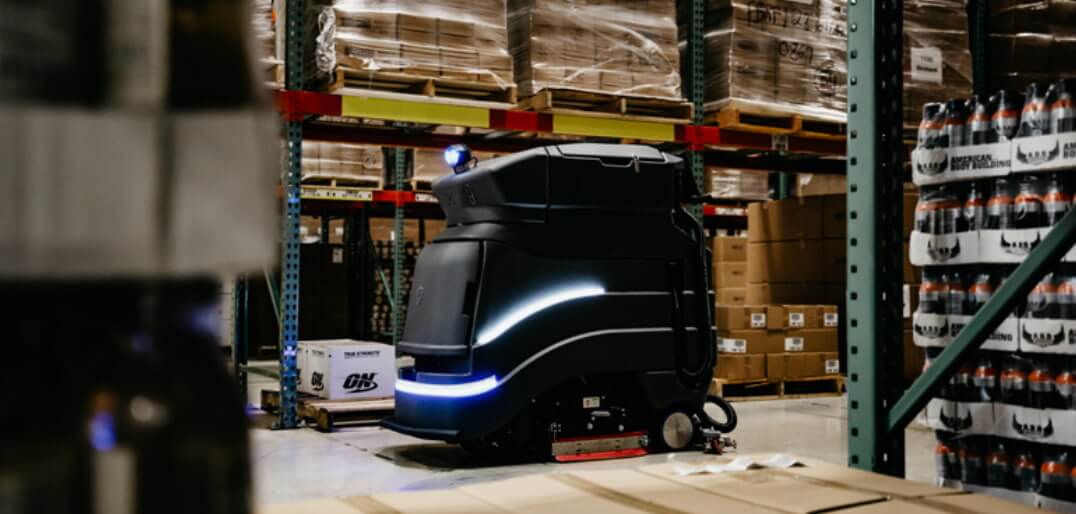
Investment in AI-supported technologies such as autonomous vehicles, drone deliveries, and robotic warehouse systems in particular will strengthen the future competitiveness of logistics companies. Autonomous vehicles will cut costs in long-haul transportation, while drones will bring speed and efficiency to last-mile delivery. Warehouses equipped with robotic systems, meanwhile, minimize human error in inventory management and raise operational efficiency. Investments of this kind will help logistics companies adapt to digitalization and meet the demands of the future.
Investing in sustainable logistics solutions
Sustainability is becoming an increasingly important theme in logistics, and investment in this area presents major opportunities ahead. Sustainable logistics solutions deliver both environmental and economic advantages, helping companies lower their operational costs and shrink their carbon footprint. According to the CSI Logistics Trend Radar report, sustainable logistics requires innovative technologies to minimize the sector's environmental impact, which in turn creates a significant opportunity for investors.
Sustainable logistics solutions include the use of renewable energy sources, green logistics practices, and projects aimed at reducing carbon emissions. Integrating electric and hybrid vehicles into logistics fleets, for example, reduces dependence on fossil fuels in transportation, delivering cost savings while supporting environmental sustainability. Investments such as energy-efficient warehouses and optimized recycling processes also help logistics companies meet their environmental responsibilities.
A brief summary of the report's key findings
The growing role of artificial intelligence and digital transformation technologies in logistics is driving fundamental change across the sector, and the report examines those changes in detail. The key findings of the research and CSI Logistics Trend Radar reports comprehensively lay out AI's transformative impact on logistics, the opportunities the technology presents, and the challenges it faces.
These findings offer meaningful foresight into the future of logistics, showing what role AI will play in the sector and how the technology can deliver strategic advantage. They demonstrate how logistics companies can put AI to effective use in critical areas such as raising operational efficiency, reducing costs, and improving customer satisfaction.
AI's transformative impact on the logistics sector
One of the most important findings highlighted in the report is AI's transformative impact on logistics. AI technologies are raising efficiency across logistics processes, lowering costs, and improving customer service. According to the research report, AI-supported systems are bringing transformative innovation to every stage of logistics operations, from inventory management to transportation and distribution.
AI applications such as big data analytics, automation, and forecasting models in particular are making logistics companies' operational decision-making faster and more accurate. This enables firms to become more flexible and adaptive, strengthening their competitive position in the market. AI also minimizes human error in logistics processes, allowing operations to run more safely and more effectively. As a result, AI technologies are positioned as a strategic tool in logistics, presenting significant opportunities for every player in the sector.
The likely future directions of AI adoption
Another key finding of the report concerns the likely future directions of AI technologies in logistics. The CSI Logistics Trend Radar report projects that AI's future development will deepen through innovative applications such as autonomous vehicles, drone deliveries, and smart warehousing systems. These technologies will help make logistics operations faster, more efficient, and more environmentally sustainable.

In the future, AI's role in logistics will not be limited to operational processes; it will also play a critical part in strategic planning and decision-making. AI will enable logistics companies to anticipate future market trends, respond quickly to changing customer demands, and develop new business models. This will make the sector more competitive and more dynamic, securing companies' long-term success.
Recommendations for companies on integrating AI
Integrating artificial intelligence into logistics presents significant strategic opportunities for companies, but managing that process successfully requires specific measures and strategies. The findings set out in the research and CSI Logistics Trend Radar reports detail the best practices and recommendations to follow when integrating AI into logistics processes. Integrating AI technologies effectively can help logistics companies secure competitive advantage and raise their operational efficiency. AI integration should be treated not merely as a technological upgrade but as an organizational transformation. The most important elements companies need to address in this process include selecting the right technologies, ensuring data quality, training employees, and achieving organizational alignment.
Recommendations for integrating AI into operations
Integrating AI into logistics operations requires careful planning and a phased implementation strategy. According to the research report, successful AI integration starts with companies assessing their current business processes and infrastructure, then deciding how AI applications will fit into that structure.
The first step in the integration process is selecting the AI technologies best suited to the business's needs. That choice should be grounded in the company's operational goals, its existing IT infrastructure, and its data management capacity. AI implementations should typically begin with pilot projects, moving to broader rollouts based on the results. This approach minimizes risk while allowing the business to adopt AI solutions in stages. Another important recommendation is to focus on data quality throughout the integration process. For AI algorithms to perform well, high-quality and accurate data sets are essential.
Ways to gain strategic advantage with AI
Using AI technologies strategically enables logistics companies to build a strong position in the market. According to the CSI Logistics Trend Radar report, deploying AI for strategic advantage helps companies consolidate their competitive edge and increase their operational flexibility.

Treating AI as a strategic tool allows companies to develop more proactive and more innovative solutions across their logistics processes. AI-supported forecasting models, for example, anticipate market trends and customer demand, enabling logistics companies to make more accurate decisions in critical areas such as inventory management, transportation planning, and customer service. That makes logistics operations more efficient, more cost-effective, and more customer-focused.
Strategic recommendations for management and investors
To fully capture the broad opportunities AI presents in logistics, it is critical that management teams and investors approach the technology from a strategic perspective. The research and CSI Logistics Trend Radar reports offer important recommendations for executives and investors on the strategic use of AI technologies and on how investment in this area should be directed.
Integrating AI into logistics processes delivers more than short-term operational gains; it also offers long-term strategic advantages. By evaluating the opportunities these technologies present, investors and executives can achieve sustainable growth and competitive advantage in the logistics sector. At the same time, AI investments must be managed well and aligned with the company's overall strategy.
Investment strategies and AI
AI presents significant opportunities for investment strategies in logistics. According to the CSI Logistics Trend Radar report, investment in AI technologies enables both the improvement of existing business processes and the development of new business models. Investors who focus on AI technologies can therefore secure a meaningful competitive advantage in the sector.
There are several key considerations for investors when putting capital into AI technologies. First, AI investments should be aligned with the business's overall strategic goals. This ensures the investment delivers not just operational efficiency but long-term growth potential as well. Second, investors should weigh flexibility and adaptability in AI projects, since the rapidly evolving nature of these technologies continually creates new opportunities and new challenges.
Driving sustainable growth with AI
AI technologies are a critical tool for achieving sustainable growth in logistics. The findings highlighted in the research report show that AI helps logistics companies reach their long-term growth goals. AI does more than optimize existing operations; it creates new business opportunities and enables firms to adapt faster to future market shifts.
There are several strategic steps management teams and investors should take to drive sustainable growth with AI. First, AI solutions should be aligned with environmental sustainability goals. This means applying AI in areas such as energy efficiency, carbon emission reduction, and sustainable logistics practices. Autonomous vehicles and drone technologies, for example, contribute to environmental sustainability by reducing fuel consumption across logistics processes.
Second, given the continually evolving nature of AI technologies, a flexible and adaptive approach should be adopted. Management teams and investors should monitor, evaluate, and optimize AI projects on an ongoing basis. This enables companies to respond quickly to market conditions and technological developments, keeping their long-term competitive advantage sustainable.
All sources used
This report draws on leading industry publications, including the State of Supply Chain 2024 and CSI Logistics Trend Radar reports, to present comprehensive insight into the integration of AI technologies in logistics, their areas of application, the opportunities they create, and the challenges they raise.
Report sources;
- The Logistics Trend Radar 6.0
- State of Supply Chain Report 2024

Let us make your brand visible in AI search.
Share your goals, we'll come back with a custom growth plan within one business day. A strategy lead will reach out personally.
Get in touch