Ethical AI: Why Responsible AI Use Matters and Its Core Principles
Learn what responsible AI means and why it matters. Explore the core principles of ethical AI, from transparency and security to fairness and accountability.
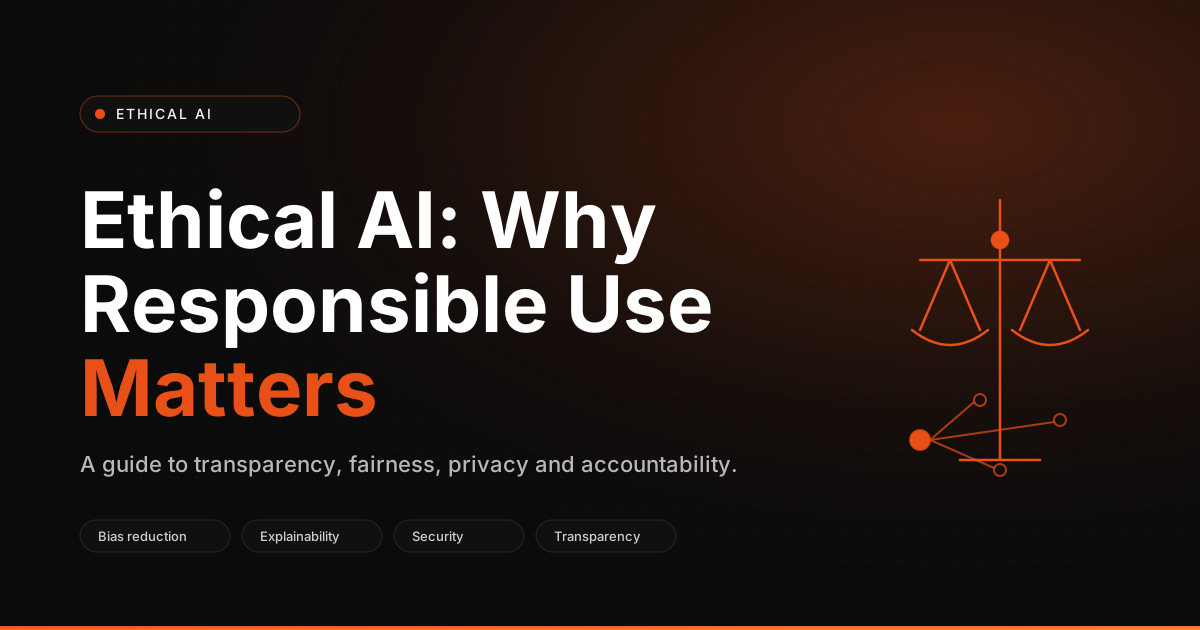
Responsible AI is an approach that ensures artificial intelligence systems are developed and used in an ethical, trustworthy way. It aims to maximize the positive contribution AI technologies make to human life while minimizing potential risks and ethical problems. Responsible AI principles cover core values such as transparency, security, accountability, and fairness, and they help companies meet their ethical obligations when deploying these technologies. In this article, we examine what responsible AI is, why it matters, and the core principles behind these systems.
What is responsible AI and why does it matter?
Responsible AI is a framework designed to keep the development and use of artificial intelligence systems ethical and trustworthy. By addressing the ethical questions AI raises, this approach ensures the technology serves humanity. The relationship between AI and ethics underlines that the technology must be developed with its societal impact in mind. That means considering not only technical excellence but also social and ethical responsibility.
A responsible AI framework enables companies to use AI systems ethically and reliably. It aims to keep AI technologies aligned with social responsibilities and to detect and resolve potential ethical issues before they escalate. Ethical AI rules protect a company's reputation while strengthening user trust. That is why responsible AI has become critical in modern business.
Ethical risks in AI systems
Ethical risks in AI systems can stem from bias and data errors. Biases embedded in historical data, for example, can carry over into an AI system's decision-making and produce unfair outcomes. These ethical questions must be handled carefully to keep such systems accurate and fair. Ethical AI rules exist precisely to guarantee that systems operate fairly and impartially.
Ethical AI plays a critical role in minimizing these risks. Because AI systems run on vast amounts of data, the quality and accuracy of that data are vital. Companies should evaluate their datasets carefully and cleanse them of bias, keeping the relationship between AI and ethics in view. This does not just produce more reliable and fair results; it also strengthens a company's reputation and credibility.
Why a responsible AI framework matters for companies
A responsible AI framework helps companies strike a balanced relationship between AI and ethical values. It ensures ethical principles are considered throughout the development and use of AI systems. The relationship between AI and ethics encourages the technology to be used accurately and fairly. Companies should adopt and apply this ethical framework as they build AI systems.
A responsible AI playbook does more than keep companies compliant with regulations; it also ensures they meet their obligations to society. Ethical AI rules help companies fulfill their responsibilities to the public and to customers, which allows them to operate sustainably and credibly over the long term. Using AI responsibly protects a company's reputation while deepening customer trust.
What are the ethical and security challenges of AI?
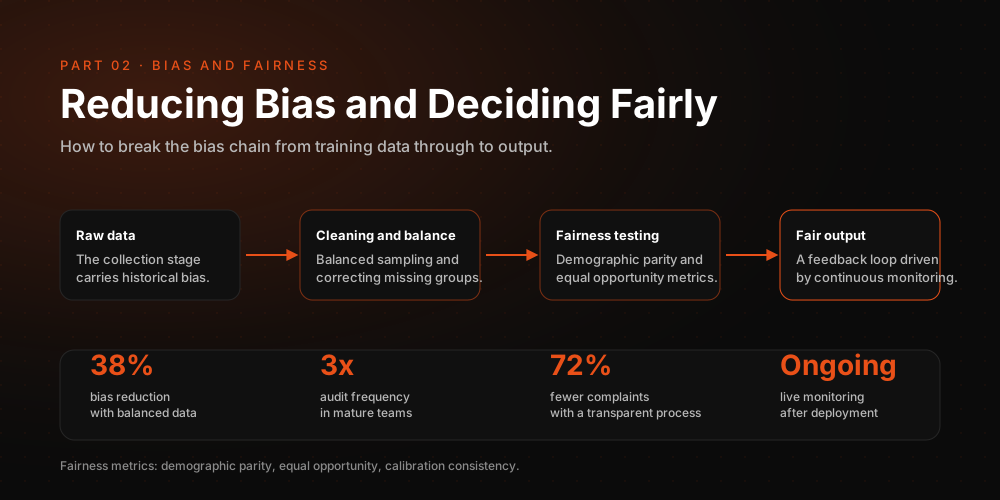
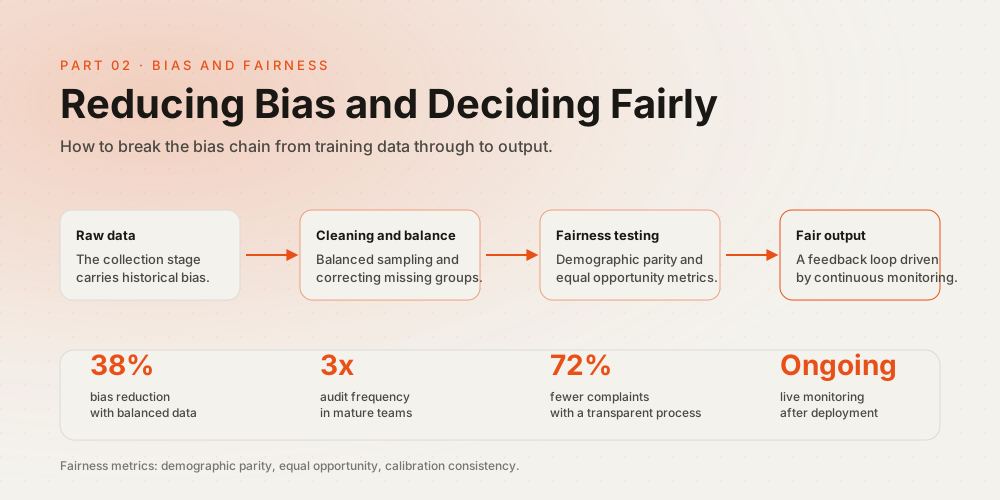
Artificial intelligence (AI) is a technology that must also be examined through the lens of ethics and security. Issues such as a lack of transparency in AI decision-making, algorithmic bias, and privacy violations stand out. In particular, when biases present in training data flow into AI outputs, they can reinforce social inequalities and create unjust outcomes. That is why defining ethical principles for AI applications, and acting on them throughout development and deployment, matters so much.
On the security side, the risks include malicious use of AI, cyberattacks on automated systems, and data security vulnerabilities. Because AI-based systems often process sensitive data, unauthorized access to that data can lead to serious security breaches. Using AI technologies safely requires advanced cybersecurity measures and continuous auditing. Raising AI's ethical and security standards within this framework is what makes sustainable, safe integration of the technology possible.

Core principles of ethical AI systems

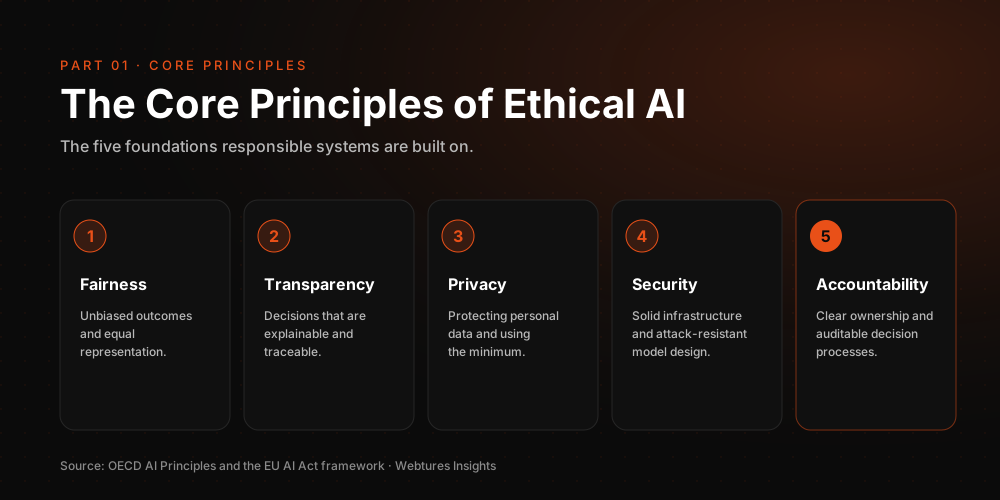
The core principles of ethical AI systems aim to minimize the ethical problems AI can create. These principles keep AI systems fair, transparent, and reliable. The relationship between AI and ethics is about ensuring the technology benefits society while preventing potential harm. Companies that adopt these principles can use AI systems ethically and with confidence.
Ethical AI rules rest on foundational principles such as transparency, robustness, security, and accountability. These principles increase the reliability of AI systems and minimize ethical risk. When ethical questions are handled within this framework, the result is fairer, more trustworthy systems. By developing AI systems in line with this ethical framework, companies fulfill their responsibilities to society and to their customers.
Transparency and explainability
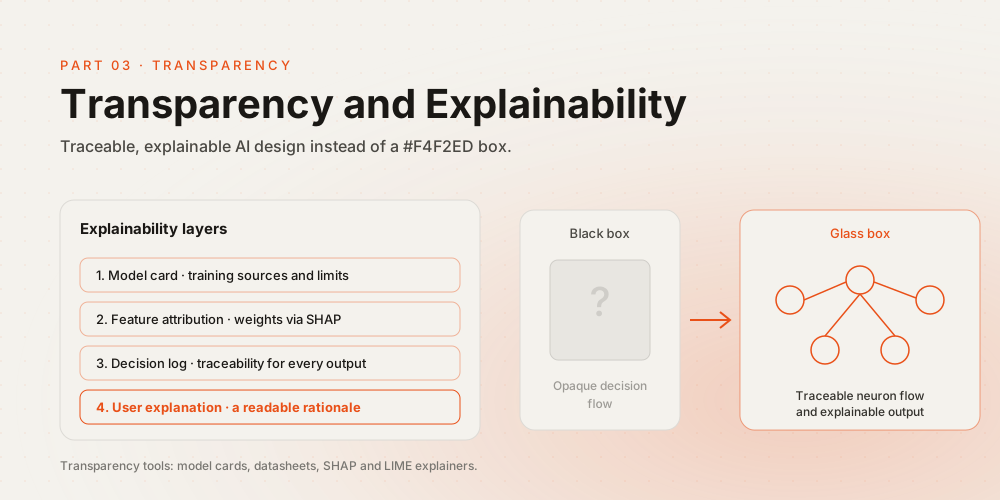
Within the relationship between AI and ethics, transparency and explainability carry significant weight. Explaining how AI systems work and which data drives their decisions increases their credibility. Transparency requires laying the inner workings of AI algorithms open to view, which allows users and stakeholders to trust the systems. Ethical AI rules emphasize transparency and explainability so that systems become easier to understand.
Explainability, in turn, makes it possible to understand why and how an AI system reached its decisions. This is especially critical for complex AI models. By explaining the decision-making process behind their AI systems, companies can strengthen user trust. Adopting the principle of explainability substantially reduces ethical concerns around AI. It supports both legal compliance and broader social acceptance.
Robustness and reliability
Robustness and reliability describe an AI system's performance and its long-term dependability. Ethical AI rules encourage the development of robust, reliable systems. Robustness means an AI system can withstand unexpected conditions and deliver consistent performance across varied scenarios. These principles strengthen the relationship between AI and ethics and make systems more dependable.
Reliability means an AI system consistently produces accurate, coherent results. Applying the reliability principle helps minimize ethical problems. Companies should continuously monitor the reliability of their AI systems, identify weaknesses, and improve them. This builds user trust in AI systems and sustains success over the long term. Robust, reliable AI systems play a key role in preventing ethical failures.
Security and data protection
The security of AI systems and the protection of data are fundamental elements of ethical AI rules. The relationship between AI and ethics cannot be fully realized without data security and privacy. Because AI systems process large volumes of personal data, protecting that data is vital. Companies must defend their AI systems against cyberattacks and take precautions against data breaches.
Data protection requires AI systems to process personal data in line with ethical and legal rules. Ethical AI rules are reinforced by data security and legal compliance principles. Complying with regulations such as GDPR and CCPA keeps AI systems ethical and secure.

Real-world examples of responsible AI in practice


The importance of responsible AI becomes concrete through real-world cases. These examples show how serious AI's ethical problems can become and what consequences companies face when ethical rules are violated. The Facebook-Cambridge Analytica scandal, Amazon's machine learning recruitment tool, and the ethical problems surrounding facial recognition are among the best-known cases. Each demonstrates how critical responsible AI use and ethical compliance really are.
Companies can learn from these cases and use their AI systems more ethically and responsibly. Ethical AI rules are vital for protecting a company's reputation and earning user trust.
The Facebook-Cambridge Analytica scandal
The Facebook-Cambridge Analytica scandal is a landmark example of how far-reaching AI's ethical failures can be. In this case, the data of millions of Facebook users was collected without consent and used for political purposes. The violation of ethical AI rules severely damaged Facebook's reputation and exposed the company to substantial fines. The scandal underscores why responsible AI use matters.
The case laid bare how unethical use of AI systems can lead to serious consequences. Companies must follow ethical and legal rules when processing user data. AI systems need strong security and data privacy, and users' rights must be protected. The Facebook-Cambridge Analytica scandal serves as a lesson in strengthening the relationship between AI and ethics and preventing similar incidents.
Amazon's machine learning recruitment tool
Amazon's machine learning recruitment tool is another example of AI's ethical pitfalls. The tool drew criticism for producing results biased against female candidates. AI systems can reflect biases learned from historical data, and that can lead to unfair outcomes. Amazon's experience shows just how important ethical AI rules are.
Amazon used the tool only on a trial basis, and its human resources staff never relied on it to evaluate candidates. Even so, the episode highlights the safeguards needed to strengthen the relationship between AI and ethics. Companies should account for these ethical risks when developing and deploying AI systems and take the steps needed to ensure impartiality. Ethical AI rules are what make fair, unbiased outcomes possible.
Ethical problems in facial recognition technology
Facial recognition is one of the most contested areas in AI ethics. Because the technology carries a high potential to intrude on individuals' private lives, the European Data Protection Board (EDPB) advocates stricter regulation. Violating ethical AI rules here can endanger individual privacy and erode public trust. The relationship between AI and ethics demands that technologies like this be used accurately and fairly.
The future of responsible AI
The future of responsible AI will be shaped by ethical norms and security protocols. This roadmap aims to steer the development and use of AI technologies within a framework that respects human rights and stays fair and transparent. Integrating AI with ethical principles is critical to managing the technology's societal impact in a balanced way and minimizing potential risks. Designing and operating AI systems in line with ethical rules protects individual rights while keeping technological innovation on an ethically responsible path. In this section, we have covered the core ethical and security principles and strategies that will shape the future of responsible AI.
Growth & GEO