How Thin Content Holds Your Brand Back in AI Search?
Thin content holds your brand’s authority back in AI search. Learn how to detect and strengthen thin content and understand its GEO impact.

How Does Thin Content Hold a Brand Back in AI Search?
Thin content refers to pages that do not adequately answer the user’s question and offer superficial or no original value. AI search engines look at content depth and trustworthiness when evaluating a brand; thin content holds the brand back in this assessment. Even if you have strong pages in an area, many thin pages weaken the overall authority perception. This article covers the effect of thin content on GEO and how to fix it.
What Thin Content Is and Why AI Discounts It
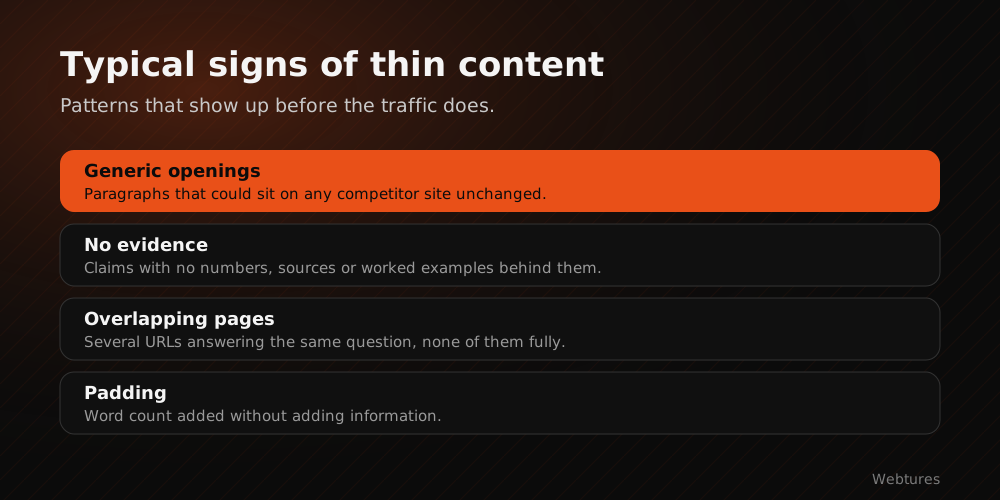
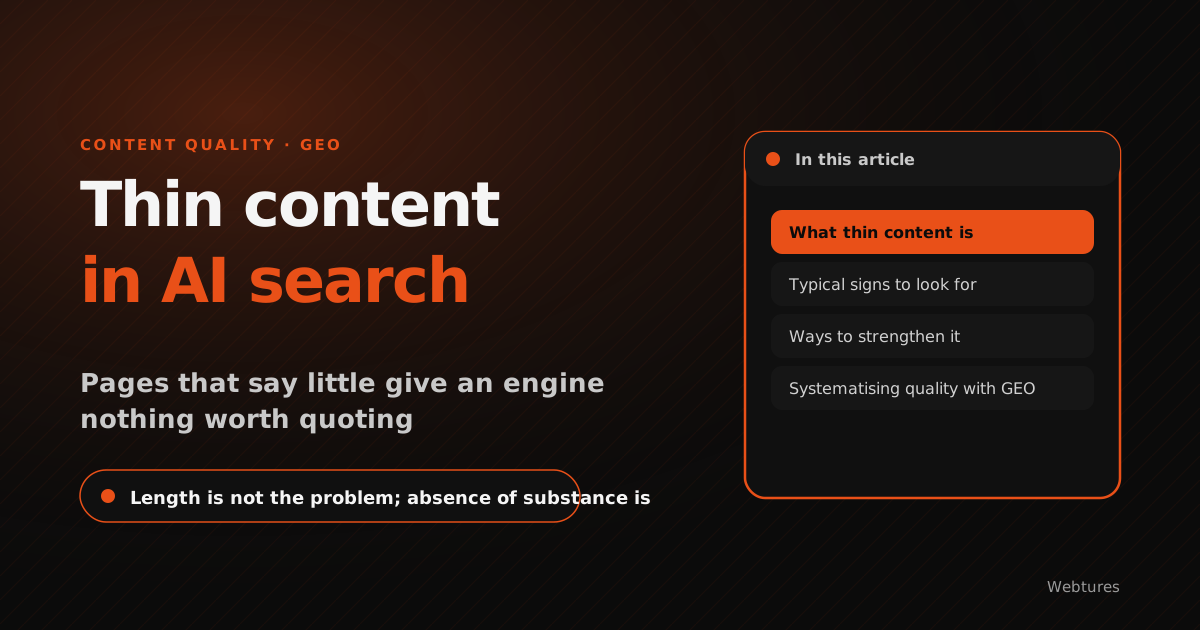
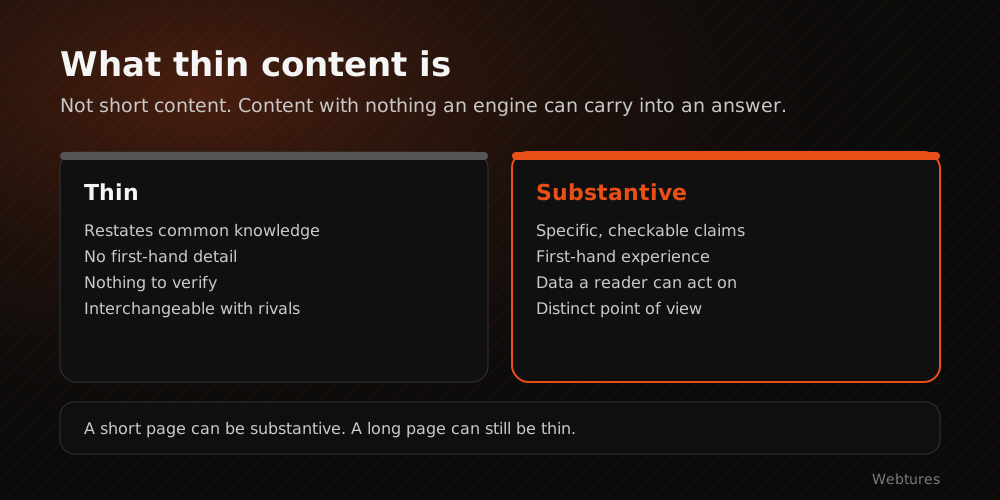
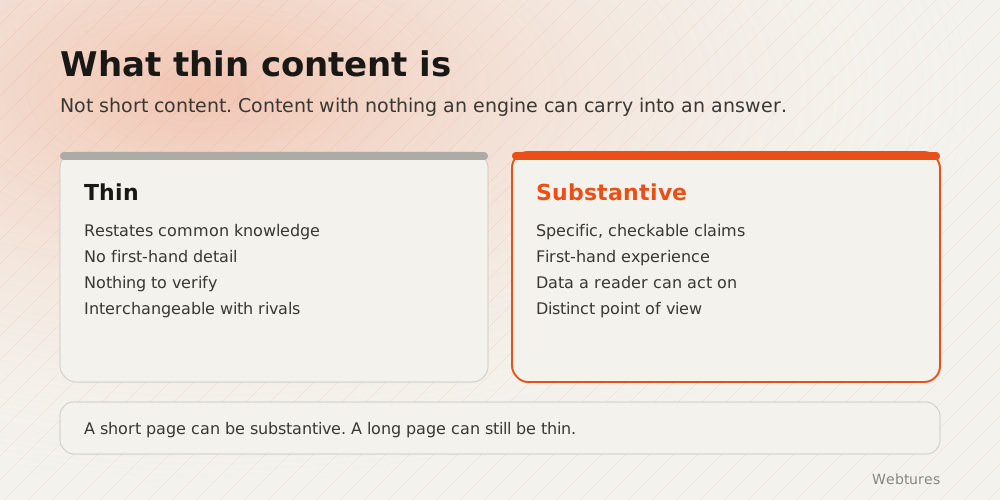
Thin content is defined by value density, not page length; a short but clear answer is not thin, while a long but empty text is. AI engines look for content that is genuinely informative, verifiable and original in order to produce a reliable answer. Superficial content fails these criteria, so it is not chosen as a source.
AI treats this not as direct “punishment” but as a lack of trust. The model wants to be sure the source it cites is accurate; thin content does not provide that assurance. Moreover, many thin pages dilute the brand’s authority signal on a topic and lower the visibility of strong content too.
Typical Signs of Thin Content
Detecting thin content early is the first step to preventing authority loss. The most common signs are:
- Superficial coverage: Content that defines a topic and moves on without depth, failing to answer the user’s next question.
- Lack of originality: Generic statements that do not differentiate from other sources or add value.
- Templated content: Mass-produced similar pages where only a few words change.
- Purposeless pages: Filler content that targets no clear search intent.
- Outdated information: Unupdated pages containing data that is no longer accurate.
These signs should be assessed together, not in isolation. A short FAQ answer may look superficial but is not thin if it fully addresses a narrow question; what matters is how well the page satisfies its intent.
Ways to Strengthen Thin Content
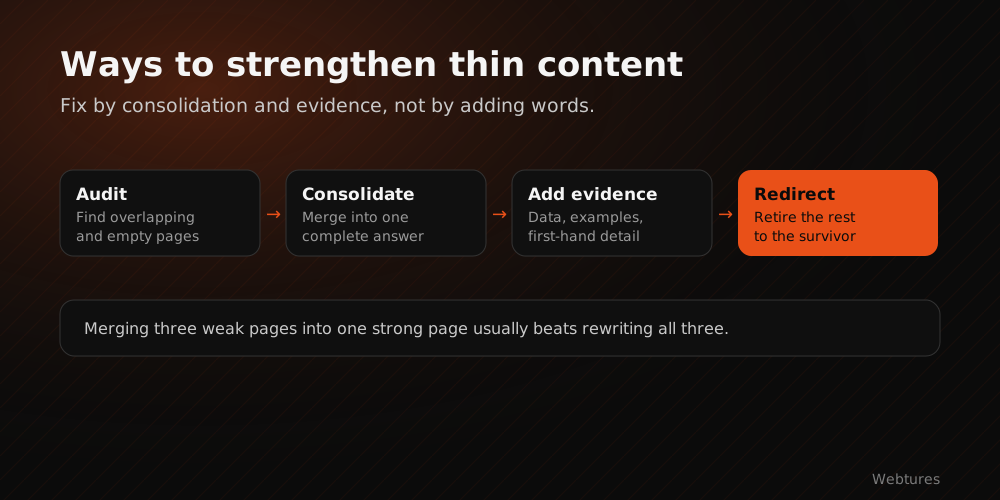
The first step in strengthening thin content is deciding whether you can raise its value instead of deleting it. Most thin pages can be turned into strong sources with the right approach. This requires deepening the content with real examples, data, expert input and answers to the user’s follow-up questions.
When multiple thin pages on the same topic are merged into a single comprehensive page, the cannibalization problem is solved and authority is concentrated in one place. Pages that cannot be strengthened and satisfy no intent should be pruned and redirected to a relevant target. This approach ensures AI search engines associate your brand only with strong content.
Systematising Content Quality with GEO
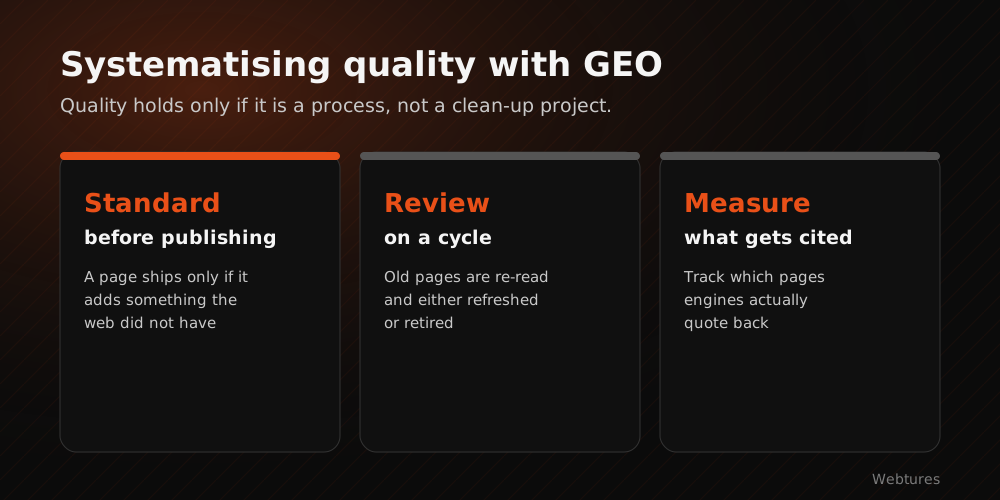
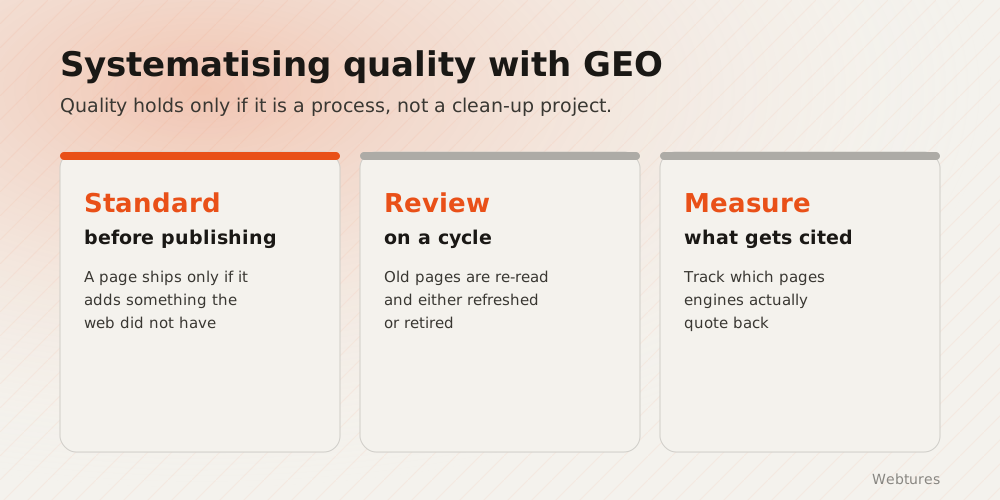
Maintaining content quality becomes sustainable through a holistic GEO approach rather than one-off fixes. When new content production standards, regular quality audits and pruning processes are designed together, thin content is prevented before it accumulates.
Professional GEO consulting adds value in establishing these standards and protecting the brand’s authority perception. Webtures audits the content inventory for depth and originality so brands are positioned as a trustworthy source in engines like ChatGPT, Perplexity and Google AI Overviews.
Frequently Asked Questions
Is short content always thin content?
No, short content is not always thin. Thinness is measured not by length but by how well the page satisfies the user’s intent. A short page that gives a clear, complete answer to a narrow question is strong; a long page that skims the topic is thin. Value density is decisive.
Is it better to delete or update thin content?
It depends on the page’s potential. A page that targets a real search intent and can be strengthened should be updated or merged with similar pages. Pages that satisfy no intent and hold no value should be deleted and redirected to a relevant target. The decision should be based on data and the page’s contribution to business goals.