How to Earn Citations in AI Search
Win citations in AI search as backlinks fade. Analyze competitor citations and track your share of AI answers with Brantial in this practical guide.

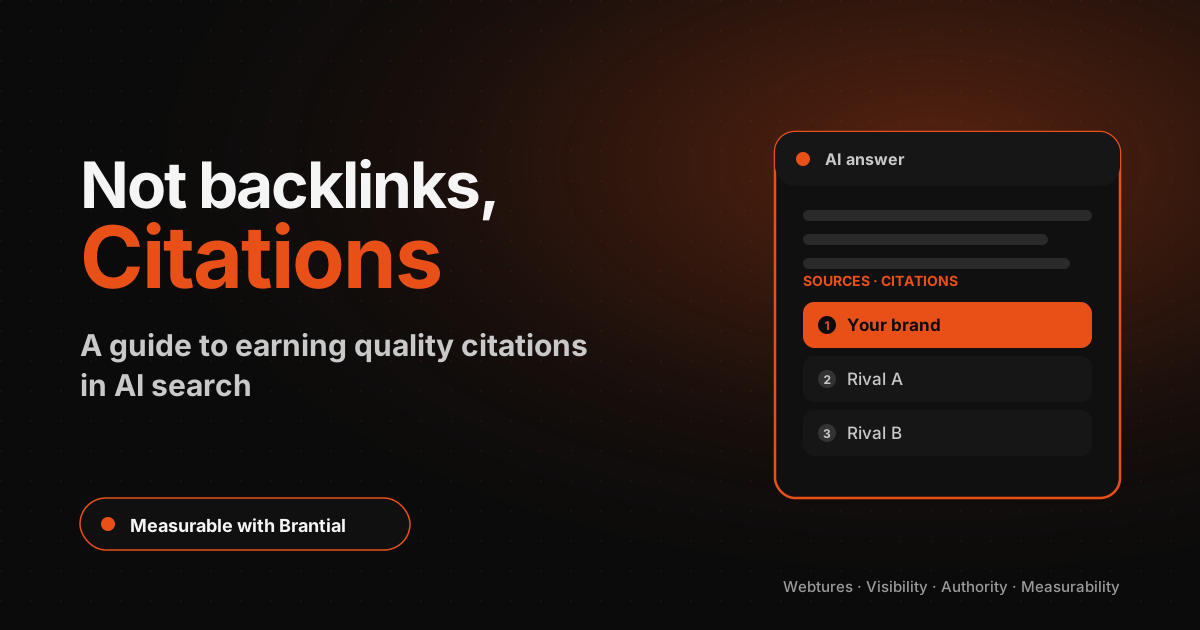
In classic search, a brand's authority was measured by its backlink count. In AI-powered search, the new currency is the citation. When ChatGPT, Gemini, Perplexity and Google AI Overviews answer a question, they openly show which sources they relied on. Getting your brand shown as a source inside those answers is the foundation of next-generation visibility. This guide covers how to earn fresh, high-quality citations by analyzing which citations your competitors are winning, and introduces Brantial, the tool we built to measure it.
What is a citation and why is it replacing the backlink?
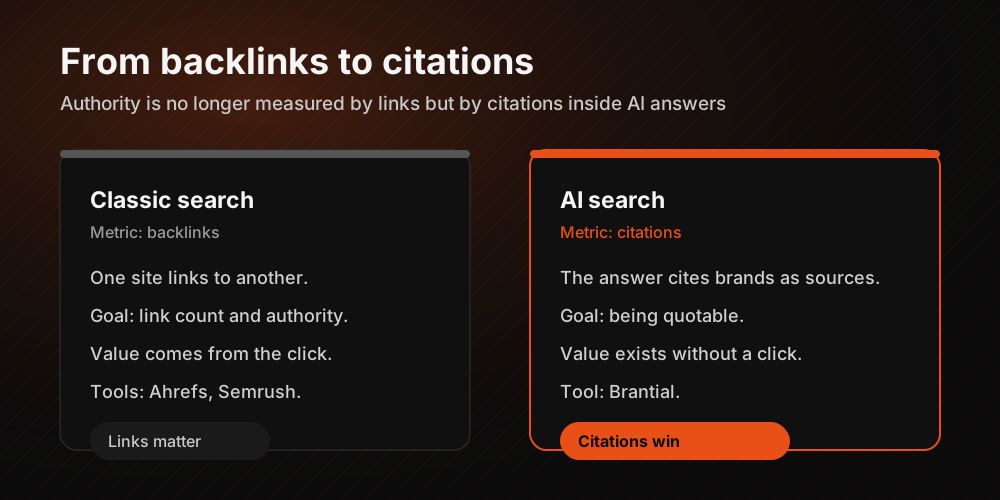
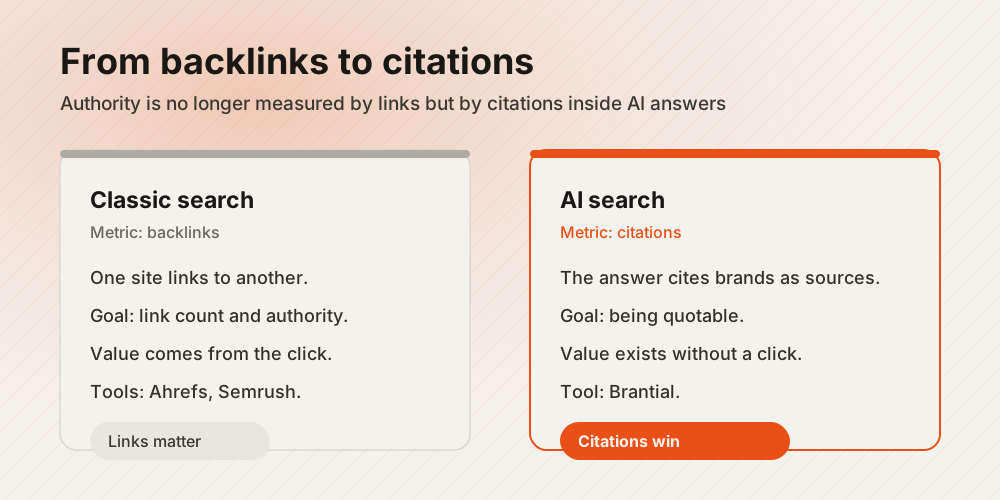
A citation is when an AI model presents your brand or content as a reference source in the answer it generates. A backlink is a link from one website to another, and it served as the trust signal for classic search engines. A citation, by contrast, means being inside the answer itself; even if the user never clicks through, your brand registers as "the recommended solution".
The difference is this: with backlinks the goal is earning links, with citations the goal is being citable. AI looks at content accuracy, contextual richness, entity clarity and consistent representation across trusted sources. Citations therefore measure not backlink counts but a brand's information authority.
A citation's contribution goes beyond appearing in an answer. A brand that gets cited regularly earns information authority in the user's eyes; that authority feeds branded searches, direct visits and the likelihood of being chosen at the moment of decision. Citation becomes the first link in the chain that runs from awareness to conversion.
Analyze your competitors' citations
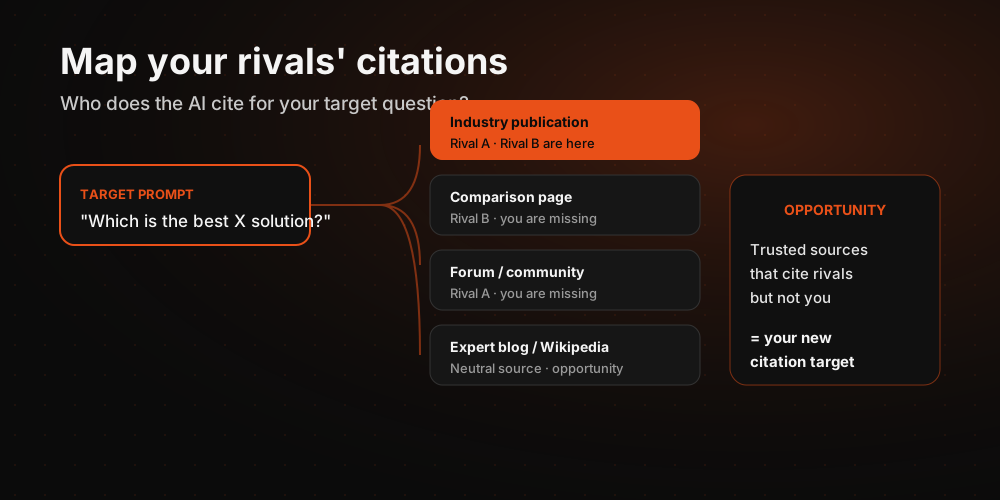
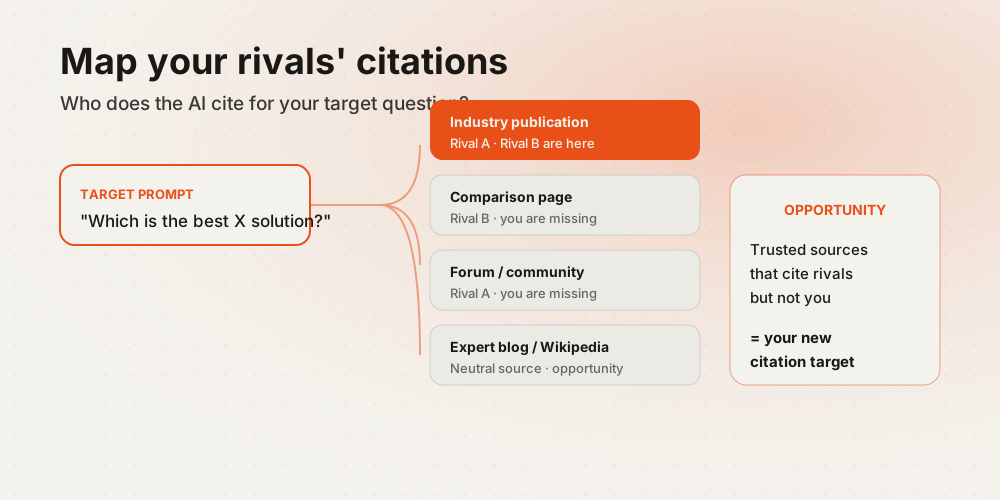
The fastest way to earn quality citations is to see who AI is already citing for the questions in your industry. When a user asks "which is the best X solution?", the sources listed under the answer form the trust map of that space. Wherever your competitors sit on that map is where you need to become visible too.
Competitor citation analysis answers three questions:
- Which sources does AI cite for your target questions?
- On which sites, and in what context, are competitor brands mentioned?
- Which of those sources are trustworthy, current and realistic places for you to appear as well?
Tracking these three questions manually is not feasible, because AI answers vary by user, country and time. Measurement requires dedicated infrastructure.
Which sources feed AI systems?
When building a citation strategy, knowing the source types answer engines draw from makes prioritization easier. Models do not trust a single source type; they rely on a layered universe of sources that verify one another:
- News sites and industry publications: The most frequently consulted layer, because they provide current, verified information; being mentioned in these publications directly raises your citation odds.
- Academic sources and research databases: The trust anchor for data-driven claims; having your own research referenced in these sources is a powerful signal.
- Reddit, Quora and niche forums: Communities where real user experience gets discussed are decisive in recommendation and comparison answers.
- Wikipedia, Wikidata and knowledge bases: An accurate, up-to-date definition of your brand entity is the foundation of the model recognizing your brand.
- Video platform transcripts: Spoken text from YouTube and similar platforms also enters the models' data universe; producing video content expands your citation surface.
One of the most effective ways to create citable assets in this universe is publishing industry reports, original research and case studies. Content that shares its own data becomes the single source others can cite, building a reference chain across both third-party publications and AI answers.
How to earn quality citations, step by step
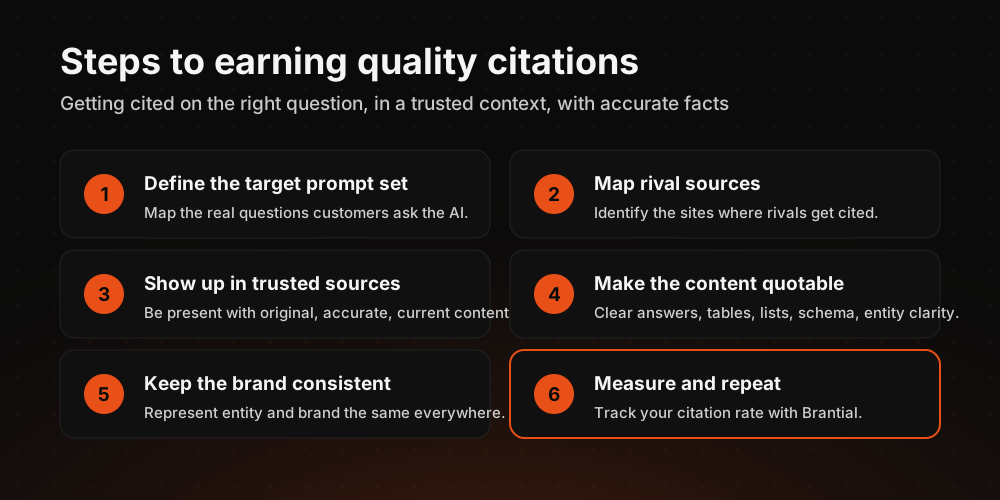
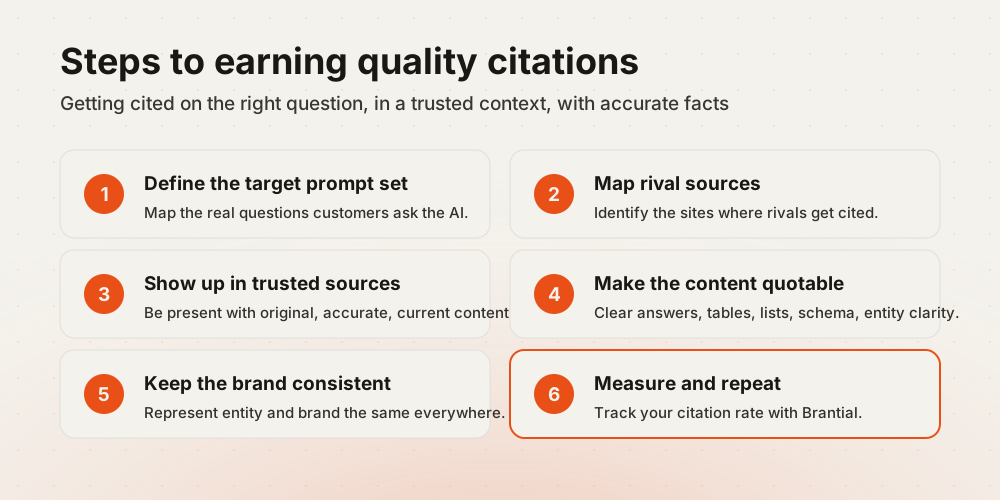
The goal is not simply to be cited a lot; it is to be cited for the right questions, in trusted contexts, with accurate information. The path to follow:
- Define your target prompt set. Map the real questions your customers ask AI. Natural-language questions and comparisons matter more than keywords.
- Map competitor citation sources. Identify which sites get cited for those questions: industry publications, comparison pages, forums, Wikipedia, expert blogs.
- Show up in trusted sources. Establish a presence with original, accurate, current content in the quality sources where competitors get cited. AI trusts multi-source consistency, not a single site's claims.
- Structure your content to be citable. Make every paragraph answer one question clearly; open with a summary sentence; use tables, lists and definitions; mark up your entities with schema.
- Maintain entity and brand consistency. Keep your brand name, products and experts represented consistently across the web so AI recognizes your brand as a proper entity and positions it correctly in its knowledge graph.
- Measure and repeat. Regularly monitor your citation rate, your share of answers and your position against competitors; close the gaps with new content.
Citation analysis and tracking with Brantial
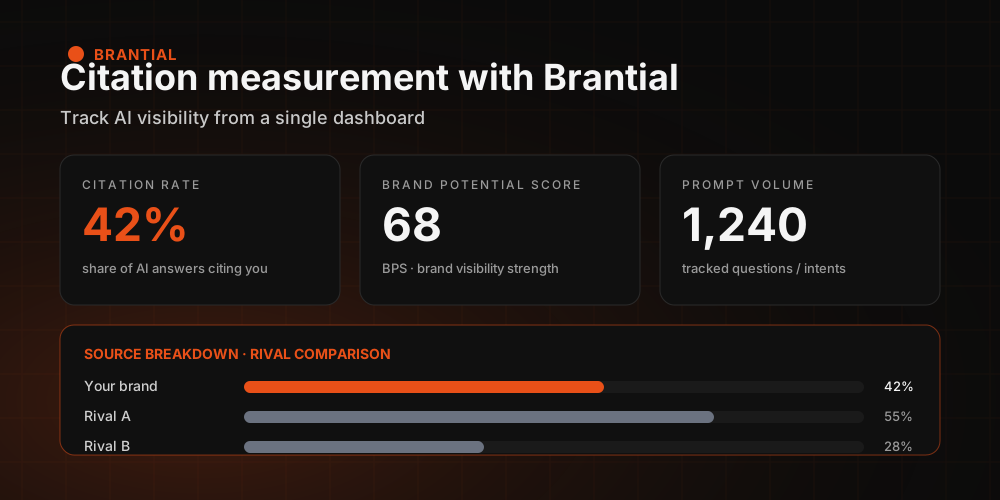
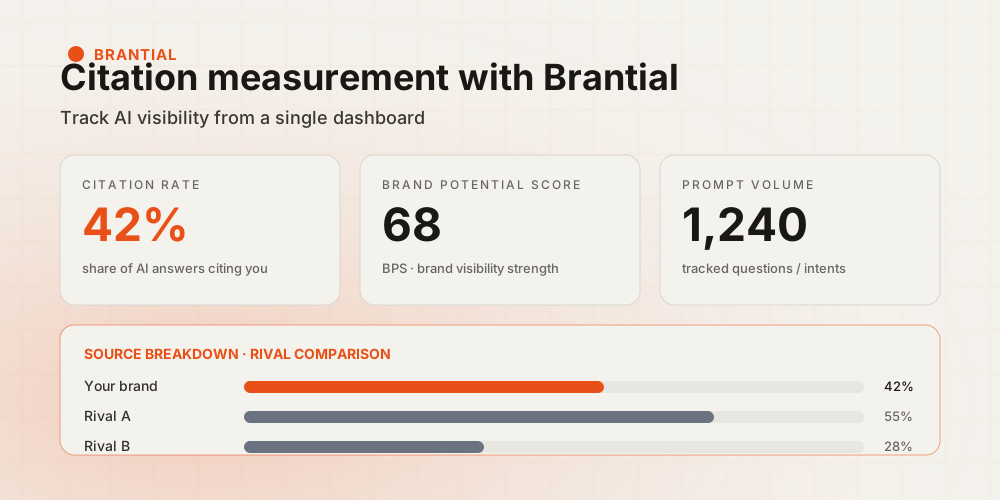
Classic analytics tools only report what gets clicked and viewed; they cannot see how often your brand is recommended inside AI. Brantial steps in exactly here and makes citation work measurable. Its core capabilities:
- AI Visibility Analysis: Your brand's daily visibility trend across AI platforms, competitor benchmarking, sentiment tone and a source breakdown showing which sources you surface from in answers.
- AI Search Visibility: Prompt volume data showing what users ask in your industry, plus a Brand Potential Score (BPS) summarizing your brand's upside.
- Competitor citation benchmarking: See which sources cite your competitors, and at what rate, for your target questions, then build your own citation strategy on that map.
- Workflow Agent: Analyzes page content, detects structural gaps and recommends GEO-ready, citable content.
- Analytics & Action Center: Puts Google Search Console data side by side with AEO/GEO insights, converting findings into a prioritized task list and "Quick Wins" actions.
Brantial covers platforms including ChatGPT, Gemini, Google AI Overviews, Perplexity, Claude, Grok, Mistral and Meta. You track your citations across every surface from a single panel.
From classic tools to the next generation
Ahrefs, Semrush and similar tools remain valuable for analyzing backlink profiles, but on their own they cannot measure AI visibility. Backlink lookup tools describe the past; citation analysis builds the future. The right approach today is reading classic link data alongside AI citation data. A visibility layer that brings the two together puts your brand ahead in both classic search and AI answers.
The Webtures approach
Citations are the backlinks of the new world, but a tool alone is not enough. Getting cited for the right questions, in the right sources, with the right information takes strategy. At Webtures we combine competitor citation analysis with content architecture, entity optimization and measurement discipline to make your brand durably visible in AI answers. Explore our Generative Engine Optimization (GEO) service for the details, or go deeper with our guide to what AEO is.