What Is AI Visibility Optimization? AIVO Strategies and Guide
AI visibility optimization is the full set of strategies used to make information more accessible and usable by artificial intelligence. The process strengthens a business's online presence so users can find it more easily.

AI visibility optimization is the full set of strategies used to make information more accessible and usable by artificial intelligence. The process strengthens a business's online presence so users can find it more easily. AIVO strategies cover content optimization, structured data, and effective management of social channels. This guide walks through AI visibility optimization in detail and helps businesses maximize their potential in this space.
What is AI visibility optimization?
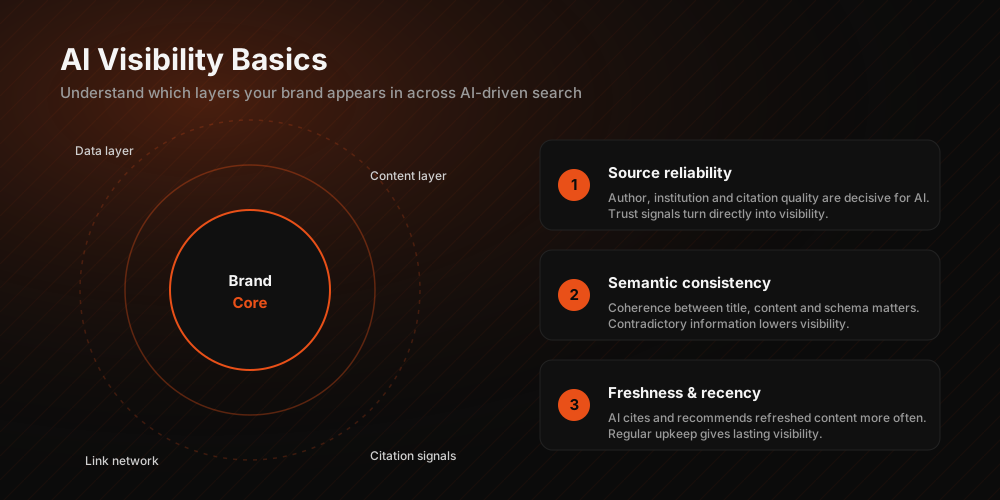
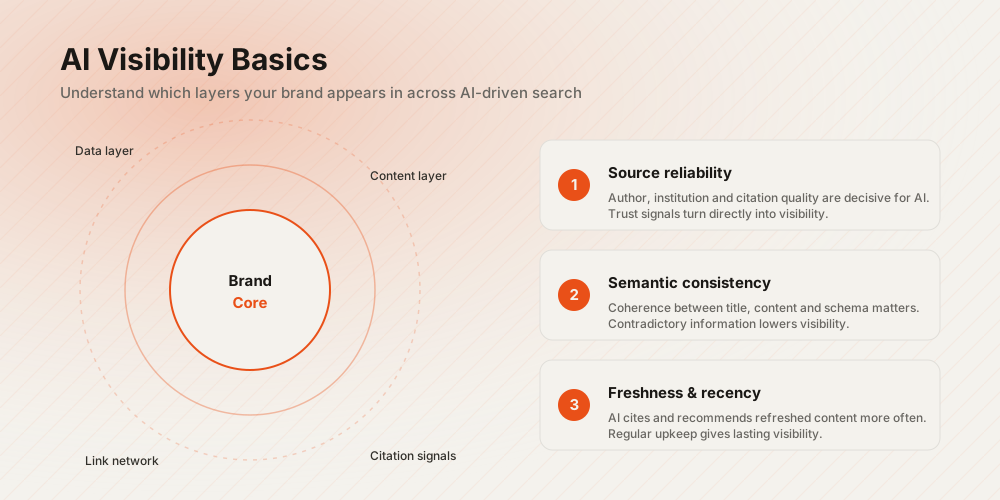
AI visibility optimization is the set of practices that help AI systems understand data better, evaluate brands in the right context, and answer user questions with reliable sources. It aims to make content, websites, and digital assets more visible on answer surfaces such as ChatGPT, Gemini, Perplexity, Copilot, and Google AI Overviews. When users search for information in AI-powered experiences, relevant, verifiable, and citable sources are the ones that surface. AI visibility optimization plays a critical role in digital marketing, GEO, and AI Search strategies.
Why does AIVO (AI Visibility Optimization) matter?
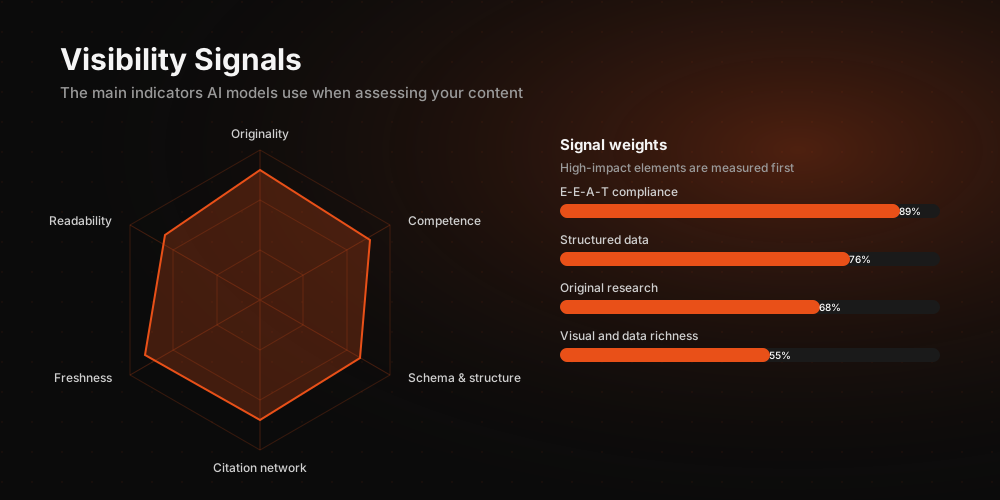
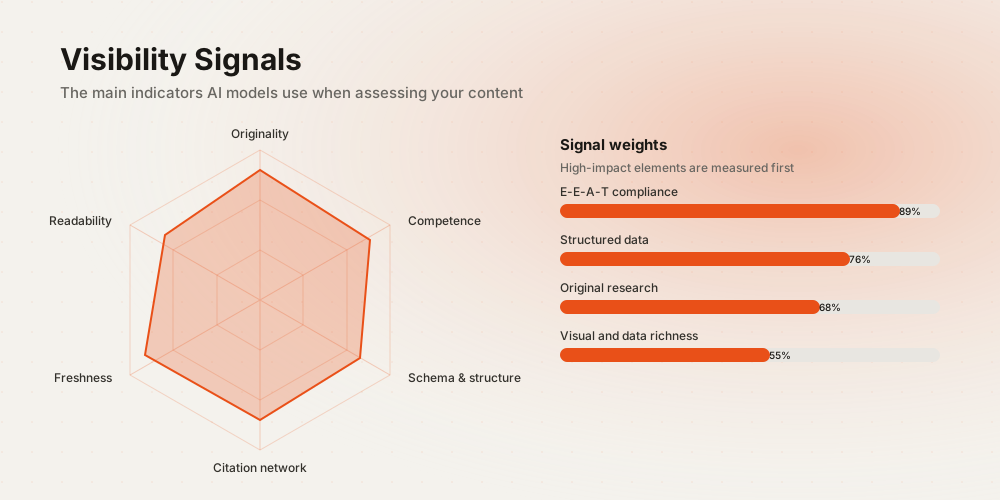
AIVO is an important process that helps businesses get represented more accurately in AI-powered answer systems. Optimizing visibility for AI makes information easier for users to access while turning brands into citable, trustworthy sources with clear context. AIVO grows more important as users start making decisions directly from AI answers instead of classic link lists. Businesses that adopt this process can gain competitive advantage and earn greater visibility in the digital landscape.
Shifting search behavior
Search and information-seeking habits directly shape how users encounter brands. In recent years, users have started asking more specific, niche, conversational questions. That means content must be planned not just around keyword matching but around intent, prompt structure, entity relationships, and answer format. The spread of mobile devices and AI assistants has also raised the demand for fast, clear, summarizable information. These shifts create the critical foundation for building AIVO strategies.
The rise of zero-click searches
Zero-click searches created a new visibility surface where users get information without visiting a site. In systems like AI Overviews, ChatGPT Search, and Perplexity, users often receive the answer directly; but when that answer includes your brand name, source, or recommendation, visibility value is created. This makes citation readiness, clear definitions, trustworthy source signals, and prompt-aligned content strategies essential for increasing visibility.
Brand authority and digital trust
Brand authority is directly tied to the trust that users and AI systems place in a brand. Brands with high authority in the digital space can become more visible in AI answers. To build brand authority within the AIVO process, invest in high-quality content, references from trusted sources, third-party mentions, expert author profiles, and verifiable data. Users tend to prefer products and services from high-authority brands, which directly supports business results.
How GEO and AIVO relate
GEO aims to make brands selectable as sources in generative AI engines and represented in the right context inside AI answers. AIVO takes a wider frame, evaluating brand visibility, answer recommendations, citations, sentiment, prompt coverage, and digital trust signals together. GEO and AIVO are therefore complementary approaches. GEO strengthens the content and source-selection side, while AIVO makes the brand's overall visibility performance in the AI ecosystem measurable.
How do you achieve AI visibility optimization? (GEO techniques)
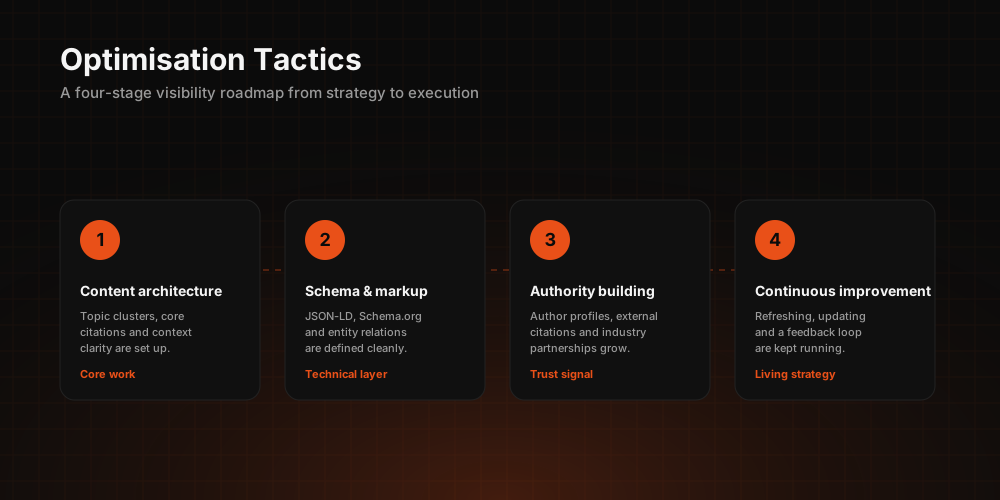
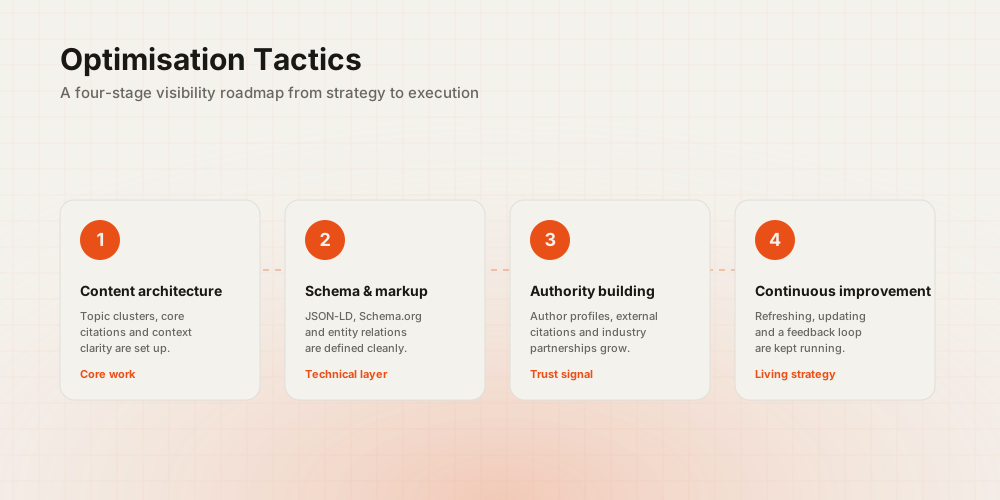
AI visibility optimization can be achieved through a set of GEO techniques designed to increase visibility at both local and global levels. Start by analyzing local data to reach the right audience. Digital references and brand citations are critical drivers of visibility. Applying these techniques effectively throughout the AI visibility optimization process supports business success.
Brand citations and digital references
Brand citations and digital references are among the fundamental ways to increase AI visibility. These mentions gain value when they appear in trusted publications, industry sources, review platforms, and social discussion spaces, making brand information easier for users to reach. Connected with other digital content, brand citations help AI systems understand the brand in the correct entity, topic, and category context. Growing these digital references is a key component that raises the effectiveness of AIVO strategies.
E-E-A-T (Experience, Expertise, Authoritativeness, Trustworthiness) criteria
E-E-A-T is a set of criteria that determines content quality and reliability. Experience, expertise, authoritativeness, and trustworthiness produce content that users find genuinely valuable. In the AIVO process, these criteria determine how citable a piece of content is. AI systems can treat content with strong expertise signals, freshness, verifiability, and reliability as more suitable sources for answer generation. Producing content that meets these criteria is a critical step in AI visibility optimization.
Using structured data (schema markup)
Structured data is a technique for giving search and answer systems clearer information about your content. Schema markup makes brand, product, author, organization, FAQ, article, and service information easier to interpret. Within AI visibility optimization, structured data improves how understandable and citable your content is. It enhances user experience and helps content surface in the right context.
Conversational, natural content production
Producing natural, conversational content matters for capturing user attention. Content that strikes a genuine tone with its target audience drives more engagement. Prioritizing this style of content in the AIVO process is an effective way to increase visibility. Natural language helps users understand the content better and keeps information flowing smoothly, which improves overall content performance.
Sharing statistical data and original research
Statistical data and original research strengthen content credibility. Sharing this kind of information draws reader attention and raises the value of the content. Using original studies and data during AIVO optimization is an effective way to grow visibility. Users gravitate toward innovative, information-rich content, which in turn reinforces brand authority.
Multi-channel digital presence management
Multi-channel digital presence management aims for a consistent appearance across platforms. Managing social media, websites, and other digital channels effectively is critical to the AIVO process. When the content users encounter across channels is coherent, brand perception strengthens. This approach grows visibility and helps you reach your target audience more effectively.
What are the key differences between GEO and AIVO?
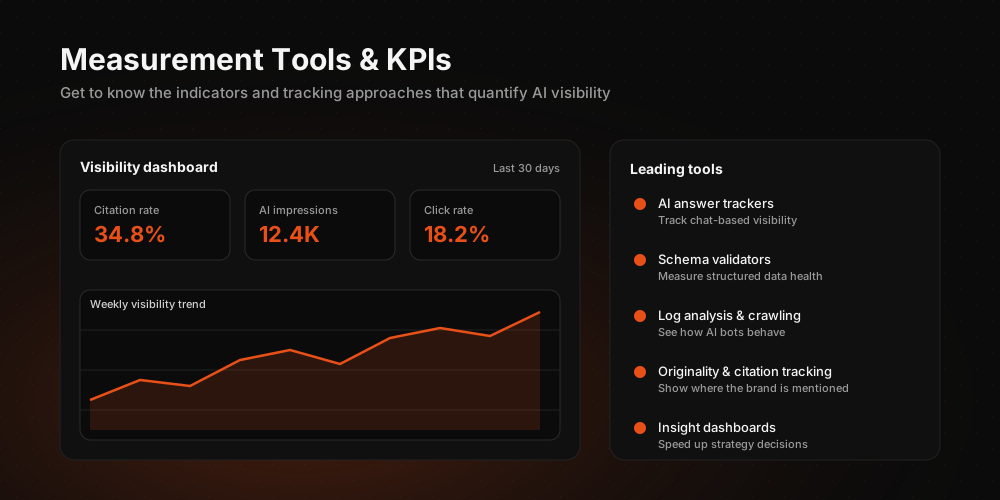
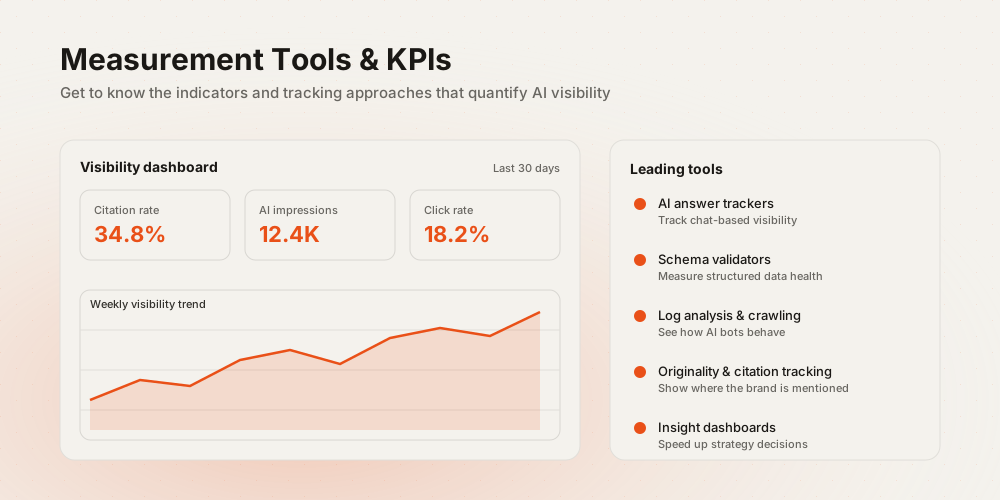
The core differences between GEO and AIVO come down to scope. GEO focuses on getting content selected as a source and cited in the answers of generative AI engines. AIVO treats this as part of a broader visibility model, evaluating brand mentions, citations, sentiment, prompt coverage, competitor visibility, and user engagement together. Businesses that adopt the AIVO process can run more measurable and effective marketing strategies across the AI Search ecosystem.
Content optimization tips for AIVO
Content optimization within AIVO can be sharpened with a few practical moves. Presenting clear, concise information is essential for holding reader attention. Creating quotable, reference-worthy content increases the chance of external reuse. Placing brand terms strategically and keeping information current will raise the impact of your content throughout the AIVO process.
Structuring content in a question-and-answer format
Question-and-answer content offers a structure that is easy for both users and AI systems to parse. It delivers information clearly and drives engagement. Answering the questions users actually ask raises the value of the content. This structure also helps AI systems reuse the content more easily when generating answers. Within the AIVO process, the Q&A format is an effective way to strengthen your content strategy.
Using clear, concise definitions
Clear, concise definitions are critical for making content understandable. Explaining complex terms in plain language helps readers grasp the material. This approach ensures information gets communicated effectively. In AIVO workflows, using clear and concise definitions improves user experience and can lift content performance.
Creating quotable content
Quotable content is writing with reuse potential because of the information it carries, typically original thinking and statistics. Creating quotable content both enriches your material and increases the likelihood of earning external links. Building this type of content into your AIVO strategy makes you more visible and strengthens brand authority.
Strategic placement of brand terms
Strategically positioning brand terms is an important step in the AIVO process. When these terms appear prominently, naturally, and in the right context, they raise brand awareness and help AI systems associate the brand with relevant concepts. Using brand terms in the right places makes it easier for both users and AI systems to make those associations, increasing the effectiveness of the AIVO process.
Presenting current, verifiable information
Current, verifiable information is fundamental to content credibility. Users prefer data drawn from trustworthy sources. When producing content within AIVO, use the latest data and reliable information. The approach attracts user interest and reinforces brand authority. Verifiable information directly influences how well your content performs.
Frequently asked questions about AI visibility optimization
Frequently asked questions about AI visibility optimization help surface the core concerns and curiosities users have on the topic. This section answers the most common AIVO questions to build awareness of the subject. The FAQ helps you better grasp the advantages and applicability of AIVO, so businesses gain clearer insight into how they can benefit from the process.
What should I do to get my brand recommended by ChatGPT?
Getting your brand recommended by AI systems like ChatGPT requires a few strategies. Producing high-quality, original content is the foundation of visibility. Build content aligned with E-E-A-T criteria to demonstrate expertise and trust. Managing your digital assets across multiple channels and driving user engagement will also raise your chances of being recommended. Together, these steps grow your brand's visibility.
How long does AIVO work take to show results?
AIVO timelines vary depending on execution and the strategies used. In general, AIVO work starts producing visibility gains within a short period. But durable, sustainable results require ongoing monitoring and optimization. Businesses that stay patient and apply the right strategies see the full benefits of AIVO.
Do small businesses need AIVO?
For small businesses, AIVO is a highly valuable process. AI visibility optimization lets even businesses with limited budgets earn meaningful visibility. It is a critical tool for standing out in competitive markets and reaching a target audience. Small businesses that adopt AIVO can attract more attention in the digital space and connect with potential customers.
Which tools are used for AI optimization?
Several tool categories support AI optimization. AI visibility platforms track brand mentions, prompt visibility, citation frequency, and competitor visibility. Analytics tools help analyze user behavior and AI-driven referral traffic. Content analysis tools can evaluate topic coverage, entity alignment, structured data, and quotability opportunities. The right combination of tools raises the effectiveness of your AI optimization work.
Why does being cited in AI answers matter?
Being cited in AI answers is a critical step in establishing information credibility. When users want reliable, verified information, they check the strength of the sources. Citations also raise the reputation and authority of the content, giving users more confidence in the information inside the answers. This supports an informed, reputable flow of information throughout AIVO processes.