What Is an AI Assistant? What Are Its Benefits?
Discover what an AI assistant is, how it works, how to personalize one, and where these tools deliver real value across business and everyday life.


An AI assistant is a technology built on machine learning and natural language processing, designed to automate everyday tasks and improve the user experience. These assistants help people through voice commands, text-based chats, or interactive interfaces. In short, AI assistants push the boundaries of modern technology with their data analysis and rapid information processing capabilities, and they stand out for how much they can actually do.
What is an AI assistant?
AI assistants are systems that can recognize users' voice commands and generate appropriate responses to them. At their core, these assistants mimic human interaction using natural language processing (NLP), machine learning, and data analysis techniques. They serve a wide range of needs, from managing daily tasks to performing complex data analysis. The fundamental goal of AI assistants is to improve users' quality of life and optimize time management, which makes them a significant convenience in both personal and professional life.
How do AI assistants work?
AI assistants operate on the ability to learn from large datasets and apply that knowledge in real time. First, the assistant detects voice commands or written text and interprets them with natural language processing technology. It then uses machine learning algorithms to determine user intent and carries out the most appropriate response or action. This process is continuously supported by data flows and feedback mechanisms, so the assistant becomes more accurate and effective over time.
How are AI assistants personalized?
Personalization is critical to creating experiences that are unique to each user. Through assistant settings, users can define their preferences and tailor the assistant's behavior and responses to their personal needs. These settings cover fundamental parameters such as which information the assistant can access, which tasks it will perform, and which devices it will interact with. Users can also fine-tune more detailed options such as voice tone, speaking speed, and even responses to specific commands. This process transforms the AI assistant from a mere tool into a natural part of the user's daily life, enabling a more organic and effective interaction.
What are the different types of AI assistants and their features?
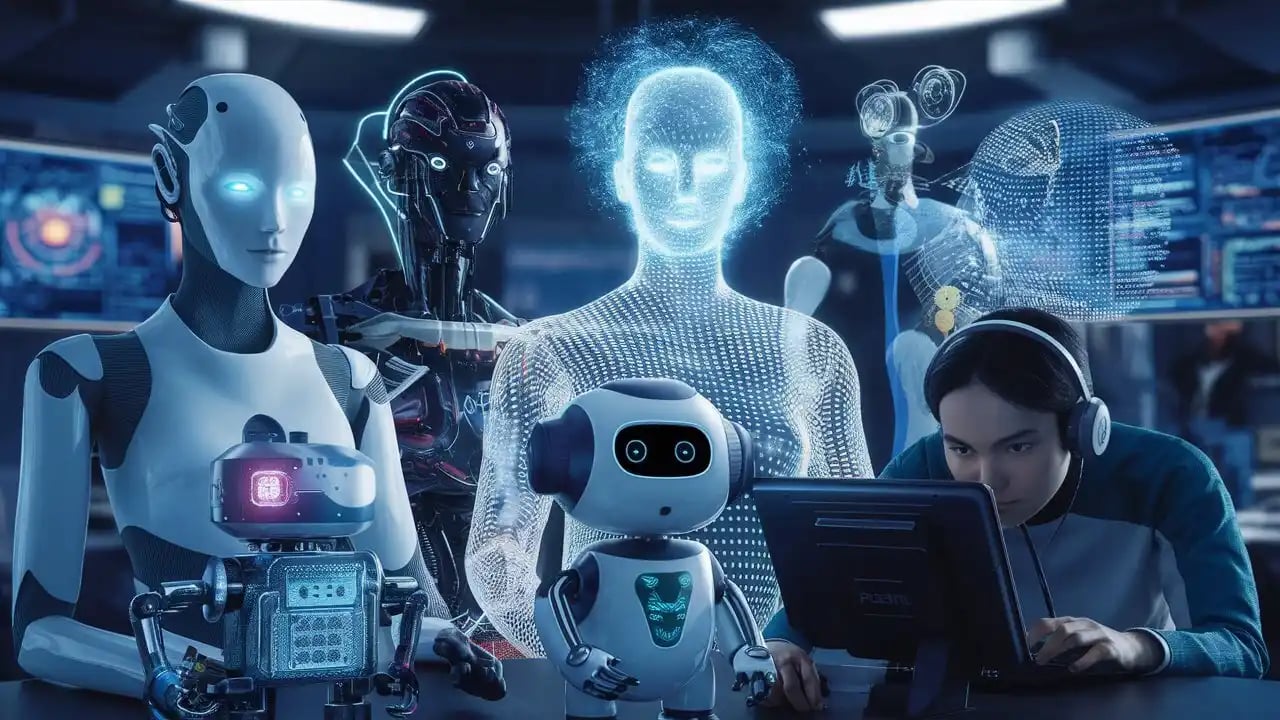
AI assistants vary by functionality. Some are programmed for simple commands, while others can handle far more complex tasks. Voice assistants such as Google Assistant and Siri communicate with users in natural language to help with everyday tasks, while sector-specific assistants (in law or healthcare, for example) provide more technical and specialized information. Chatbots developed for customer service can also reduce the need for live support, cutting costs for businesses. Every type of AI assistant is designed for a specific need and is continuously improved to meet it.
What are the benefits of AI assistants?
The benefits of AI assistants are felt across a wide spectrum, from businesses to individual users. These technologies save time by increasing productivity, reduce error rates, and enrich the user experience. Tasks such as automating repetitive work, analyzing large datasets, and simplifying complex calculations require far less time and effort thanks to AI assistants.
Advantages of AI assistants for businesses

Businesses gain substantially from AI assistants. Used across departments such as customer service, sales and marketing, and human resources, these assistants automate customer interactions, support data-driven decision making, and accelerate business processes. A customer service chatbot, for example, automatically answers frequently asked questions, easing the load on live support teams while improving customer satisfaction.
What AI assistants offer individual users

For individual users, AI assistants bring convenience to many areas of daily life. Assistants integrated with home automation systems, for instance, can control lights, adjust heating, or manage home security through voice commands. They also offer solutions for personal needs such as travel planning, online shopping, and health monitoring, raising users' quality of life.
Where are AI assistants used?
The use cases for AI assistants are remarkably broad and keep expanding. From education to healthcare and from customer service to finance, many sectors already rely on this technology. Capabilities such as automating repetitive, time-consuming tasks, providing fast access to information, and strengthening decision-support systems make AI assistants indispensable.
AI assistants in education
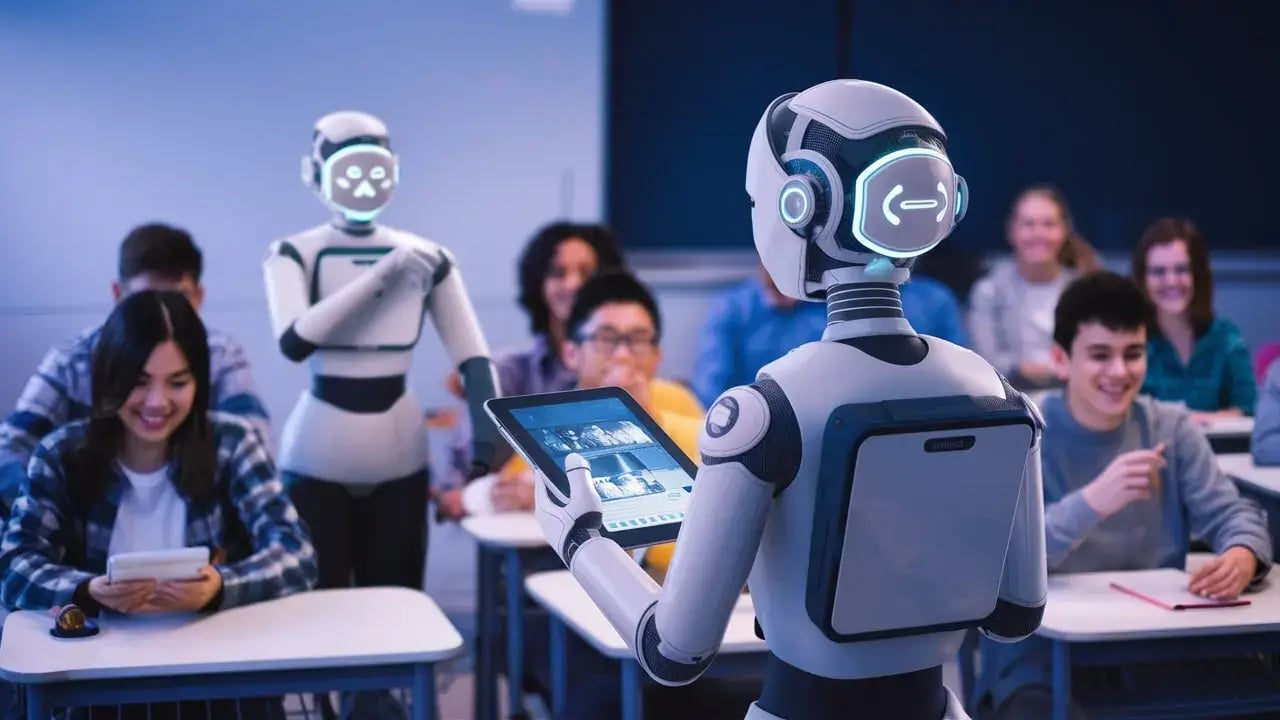
In education, AI assistants deliver personalized learning experiences to students. They analyze student performance, identify weak areas, and provide targeted support. They also reduce teachers' workload, allowing them to develop more effective teaching strategies. With increasingly data-driven insights, educational institutions can continuously refine their teaching methodologies and optimize overall learning outcomes.
AI in the healthcare sector

The use of AI in healthcare is transforming diagnostic processes. These assistants perform large-scale data analysis to examine patient health records in detail and can detect potential health problems at an early stage. For conditions such as chronic diseases, these systems provide continuous monitoring and alert doctors to any anomaly, making rapid intervention possible. By automating everyday health management tasks such as medication management and appointment scheduling, AI assistants make patient care more efficient and accessible. This both increases patient satisfaction and improves the efficiency of healthcare services.
Customer service and AI assistants

In customer service, AI assistants, particularly chatbots and voice response systems, dramatically improve the customer experience by providing uninterrupted 24-hour service. These assistants can answer customer queries instantly, offer automated solutions to the most common questions, and route more complex cases to a human. By handling repetitive questions, chatbots free live support teams to focus on more strategic and demanding work, which raises operational efficiency and cuts costs for businesses. These technologies also analyze customer data, enabling businesses to continuously improve their services and products, which in turn strengthens customer satisfaction and loyalty.
What are the most widely used AI assistants?
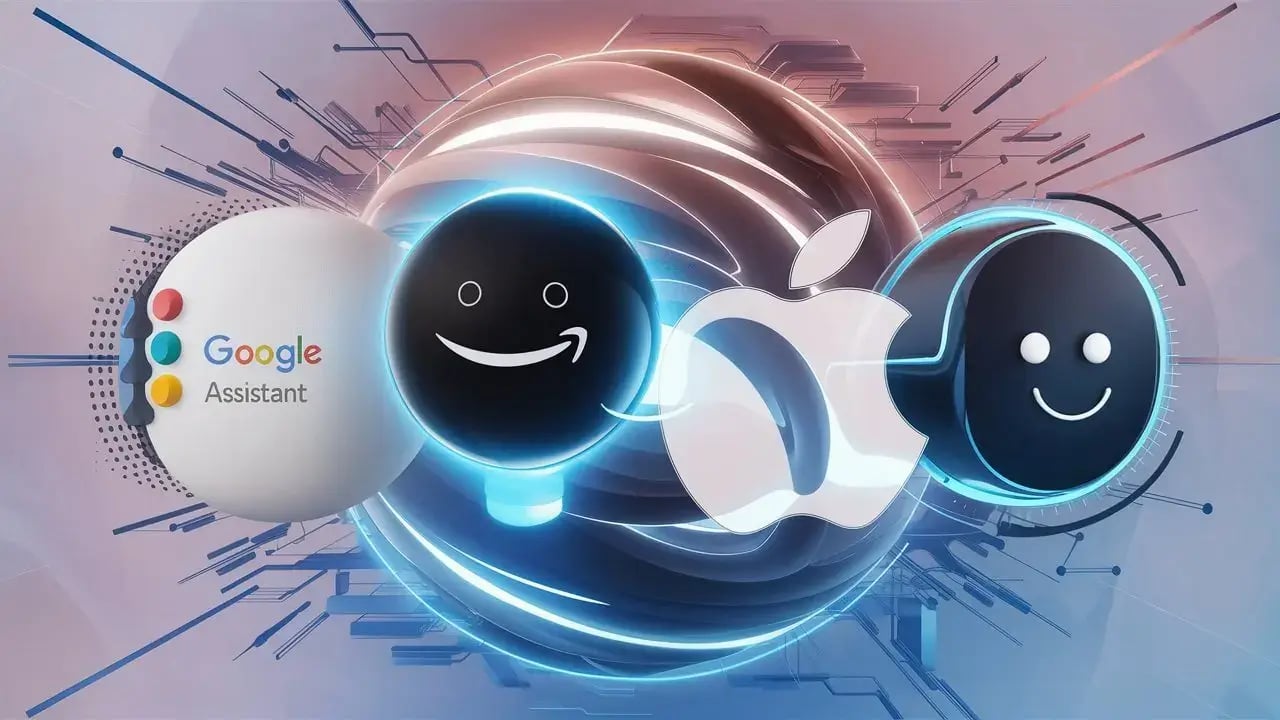
Many AI assistants are on the market, but some are especially popular and used by massive audiences. Google Assistant (Gemini), Amazon Alexa, and Apple Siri rank among the best-known AI assistants. They stand out for their user-friendly interfaces and broad feature sets. Beyond core functions such as voice recognition, playing music, giving weather updates, and setting reminders, each can also handle more complex tasks such as controlling smart home devices. Their continuously updated algorithms make them more capable over time.
These assistants are designed to quickly deliver the information users need and simplify their daily tasks using advanced AI technologies. Their positive impact on the user experience and their sheer functionality are the main reasons they have become so popular.

Let us make your brand visible in AI search.
Share your goals, we'll come back with a custom growth plan within one business day. A strategy lead will reach out personally.
Get in touch