What Is Organic Traffic and Why Does It Matter?
Learn what organic traffic is, why it drives sustainable growth, and how to analyze and grow it across search engines and AI answer surfaces with GEO.

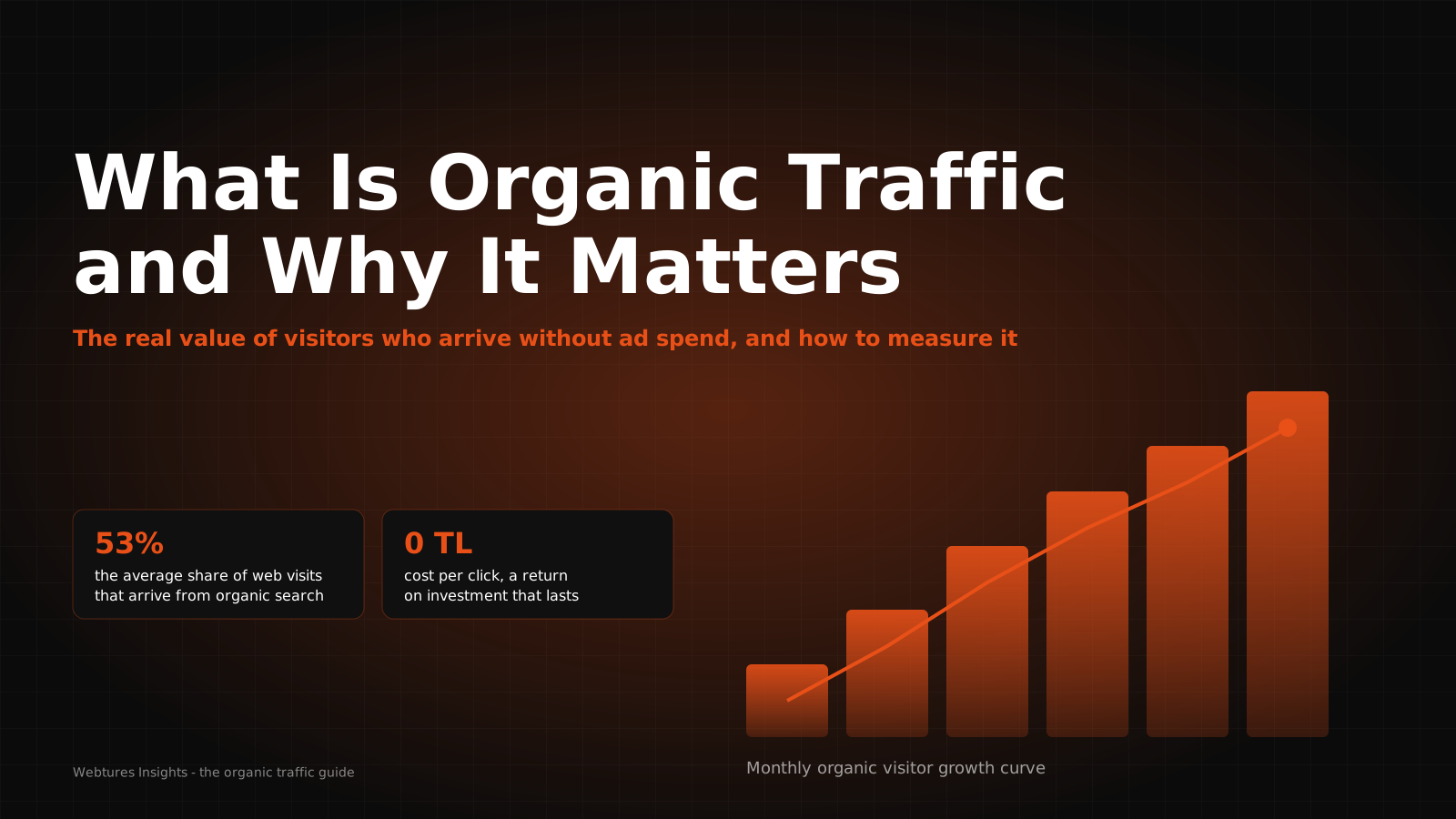
Organic traffic refers to users reaching a website without clicking a paid ad. These visits can arrive through search engines, organic social media posts, referral links, brand searches, news sources, or AI Search surfaces. For digital marketing strategy, organic traffic reveals far more than visitor counts; it signals brand awareness, perceived trust, content authority, user demand, and conversion potential.
Today, organic traffic should no longer be thought of as clicks from Google results alone. As users research through AI Overviews, AI Mode, ChatGPT Search, Perplexity, and similar answer engines, they discover brands, products, and expert sources at many different points. A strong organic traffic strategy must therefore address query visibility, prompt coverage, entity clarity, citability, and measurable user behavior together.
What Is Organic Traffic?
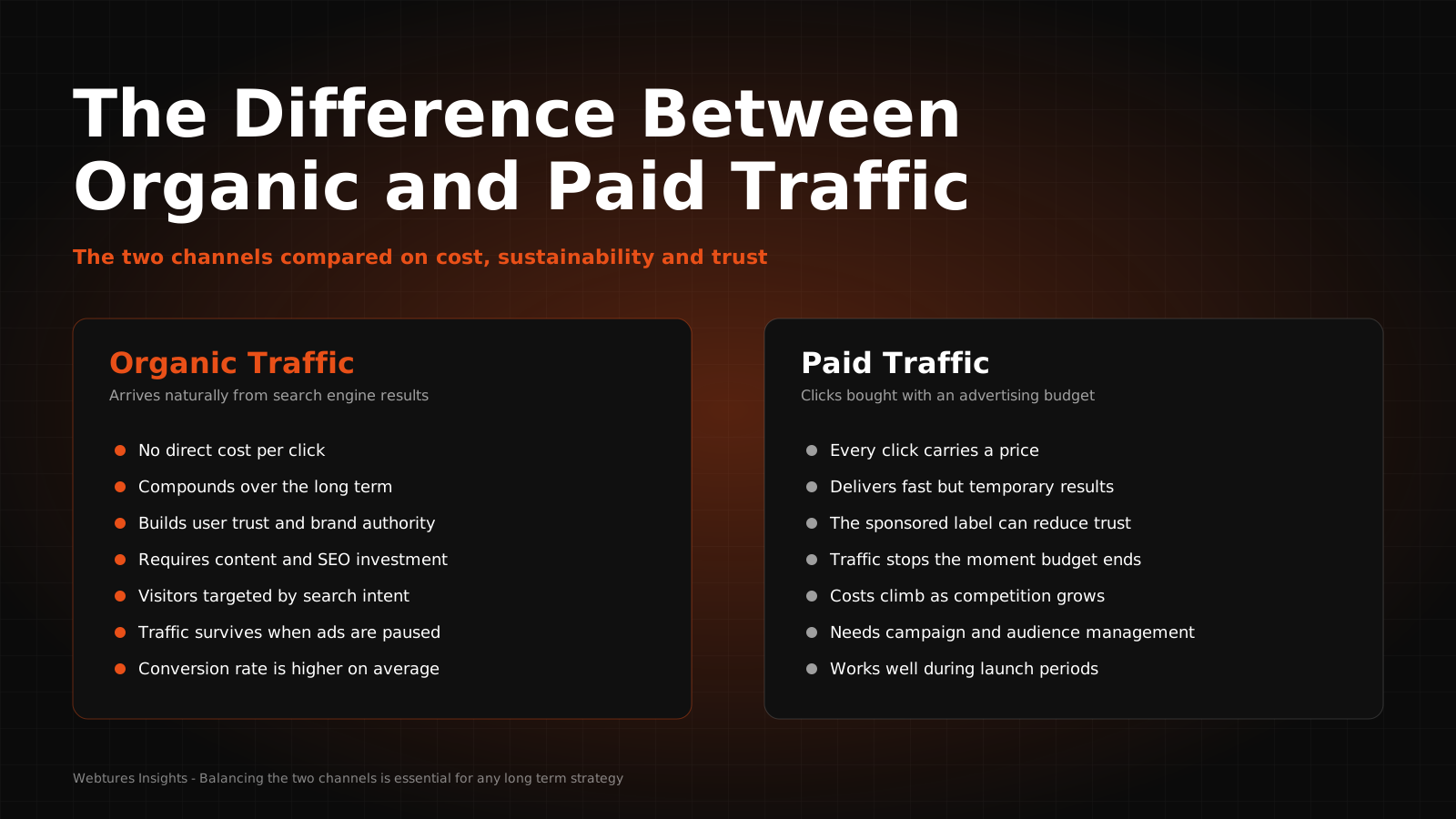
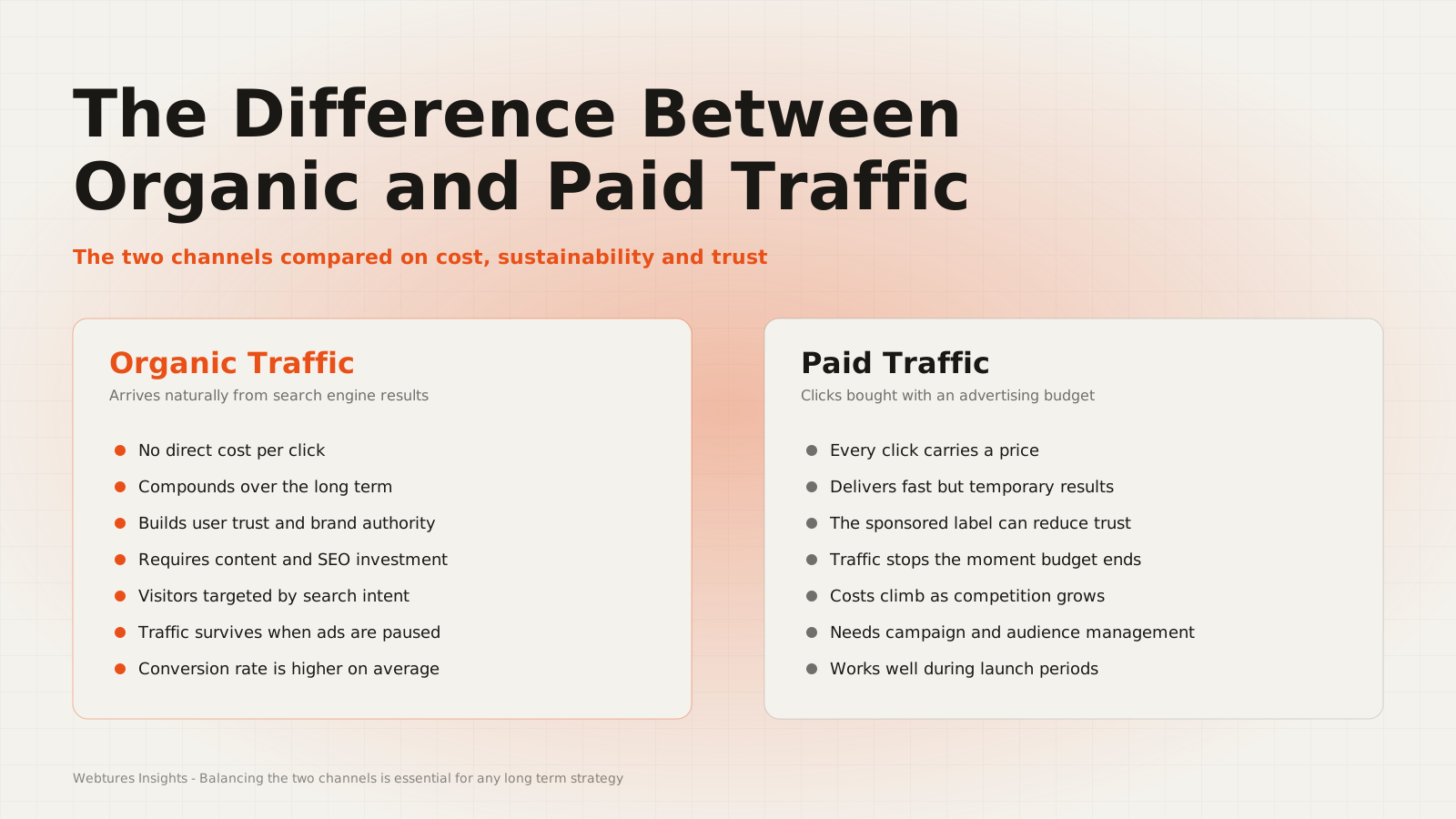
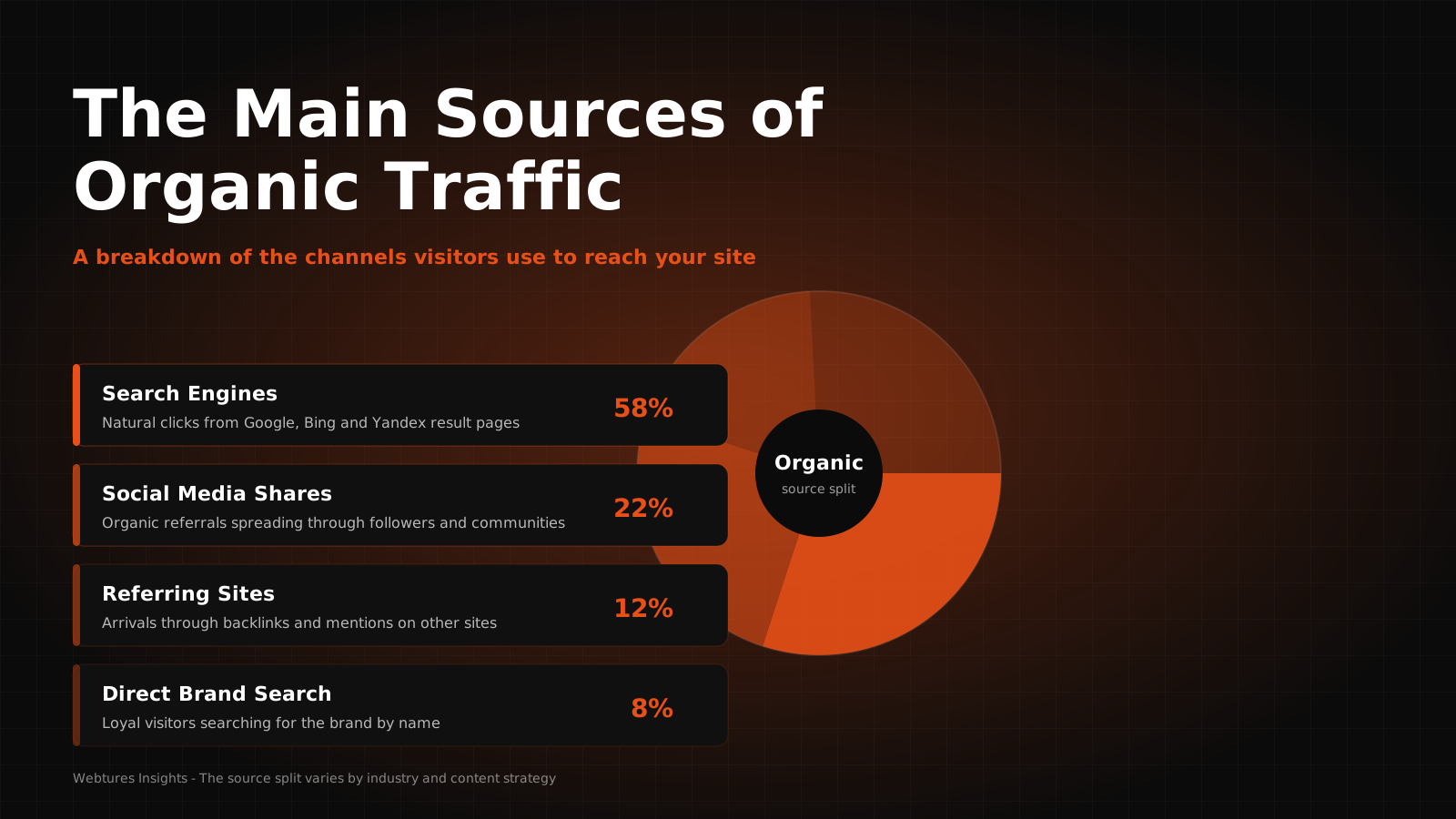
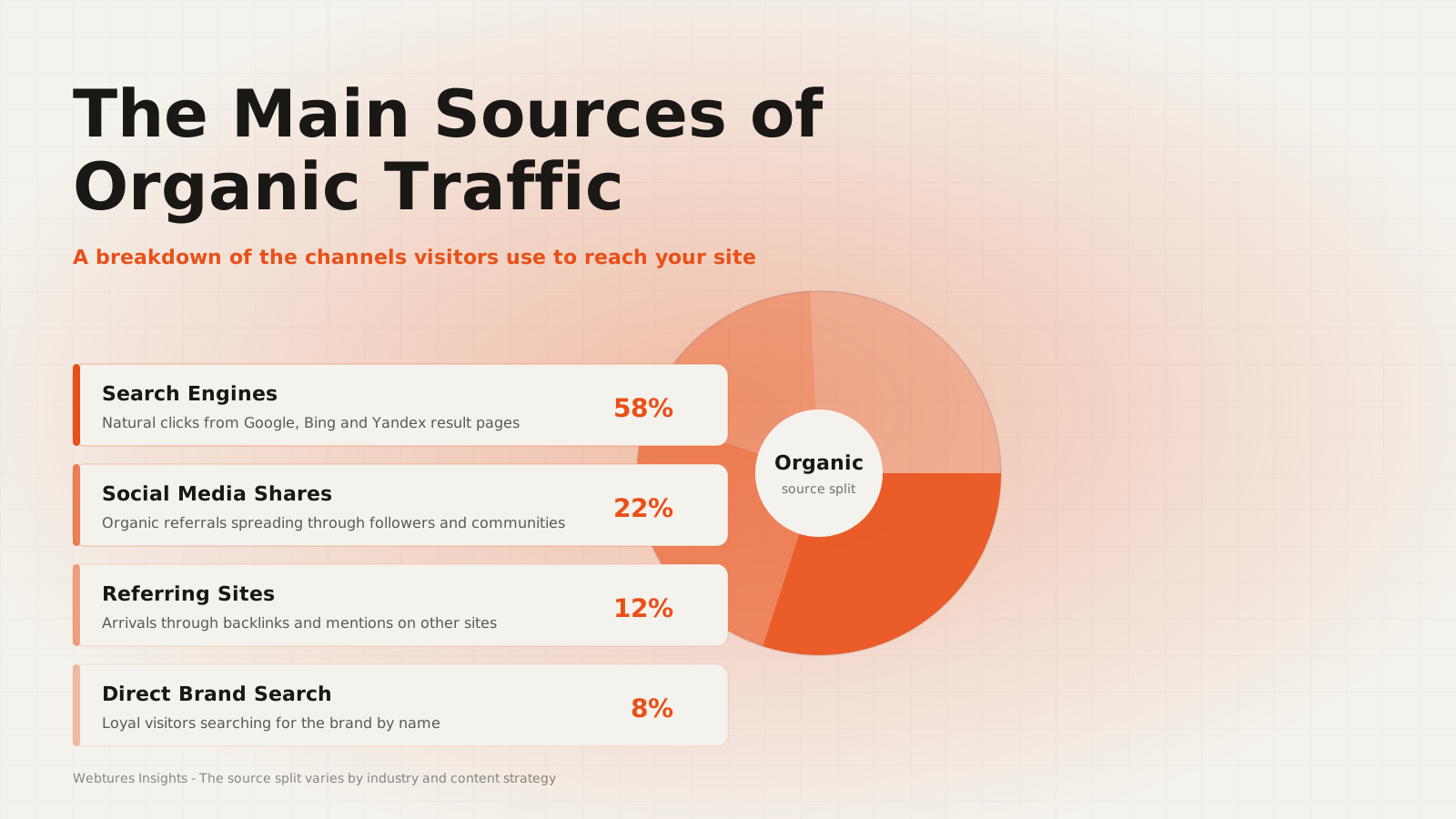
Organic traffic is the umbrella term for visitors who arrive at a website without paid advertising. Users who click pages in search engine results, visitors arriving from natural social media posts, referral links on news or guide sites, and users searching directly for the brand name can all be part of this flow.
Google Analytics 4 splits traffic sources by channel. "Organic Search" shows free sessions from search engines, "Organic Social" shows natural visits from social platforms, and "Referral" shows arrivals from other websites. Looking at total visitor counts alone is therefore not enough to evaluate organic traffic. Analyze together which channel the user came from, which page they landed on, how much they engaged, and whether they converted.
From a GEO perspective, organic traffic also requires understanding where a user encountered your brand before reaching the website. A user may see your brand on an AI answer surface and later run a brand search, arrive from a comparison article, or visit your page directly after seeing expert content on social media. That journey turns organic traffic from a mere channel report into an indicator of brand discovery and source trust.
Organic Traffic and Digital Marketing
Organic traffic represents the sustainable-growth side of digital marketing. Ad campaigns can deliver fast visibility, but when the budget stops, the traffic can stop with it. Organic traffic, built correctly, keeps feeding brand searches, content consumption, lead flow, conversion quality, and long-term customer acquisition.
Content marketing, digital PR, social media management, brand reputation, technical site health, user experience, and GEO work all shape organic traffic together. An organic traffic strategy should therefore never be reduced to producing blog posts or inserting target phrases into copy. The brand must produce content that answers its audience's questions clearly, is backed by trustworthy sources, and remains understandable across different search and answer surfaces.
Why Has Organic Traffic Changed in the GEO and AI Search Era?
As the way users reach information has changed, the meaning of organic traffic has expanded with it. Users no longer click through classic search results for every question. For some questions they get a summarized answer through AI Overviews or AI Mode; in other cases they compare sources inside answer engines such as ChatGPT Search or Perplexity. This makes the relationship between clicks, visibility, and brand recall more complex.
In this new structure, organic success is not limited to earning more clicks. Content needs to offer clear definitions, include short-answer sections, build explicit entity relationships, provide current and verifiable information, be supported by structured data, and be accessible to AI crawlers. Content built this way serves the user and, at the same time, becomes a stronger candidate for citation by answer engines.
Why Does Organic Traffic Fall?
Organic traffic can decline over time for many reasons: algorithm updates, strengthening competitors, content losing its freshness, technical errors, indexing problems, changes in the SERP layout, shrinking social media reach, seasonal drops in demand, or measurement issues.
In the AI Search era, a drop in organic traffic does not always mean visibility has been lost entirely. For some queries, clicks fall because users see the answer inside AI Overviews or other answer engines. Evaluate organic performance through Search Console click and impression data, GA4 organic session and conversion data, brand mention tracking, AI Search source visibility, and Google Trends together.
Causes of the Decline and Their Fixes
The causes of an organic traffic decline never fit under a single heading. The checks below help you identify faster which area the problem comes from.
- Technical accessibility problems: Incorrect indexing settings, weak content structure, missing internal links, slow page speed, 404/5xx errors, faulty robots.txt rules, misused noindex, canonical problems, and broken redirects can all drive traffic down. AI crawler access, sitemap accuracy, and structured data belong in this check as well.
- Content quality: Content that fails to answer the user's question clearly, has gone stale, or carries weak expertise signals can lose its organic visibility. Strengthen content with definitions, examples, comparisons, sources, current data, and an actionable answer structure.
- Rising competition: Competitors producing more comprehensive content, earning stronger backlinks and mentions, or being cited more often in AI Search answers can erode your organic traffic. Competitor analysis should cover not just position but content depth, brand authority, schema usage, and citability.
- SERP and AI answer surface changes: Featured snippets, People Also Ask, AI Overviews, AI Mode, local packs, shopping modules, and ad density can all shift click behavior. If impressions hold while clicks fall, the issue may be click distribution rather than content visibility.
- Social media and distribution effects: When social platforms change their reach algorithms, organic social traffic can fall. Content distribution should never depend on a single platform; support it with email, communities, video platforms, digital PR, and brand mention channels.
- Analytics and monitoring issues: To understand traffic drops, examine Search Console, GA4, Google Trends, backlink tools, and server logs together. If Search Console clicks are stable while GA4 organic sessions fall, the cause may be the measurement setup rather than visibility.
Strategies to Grow Organic Traffic
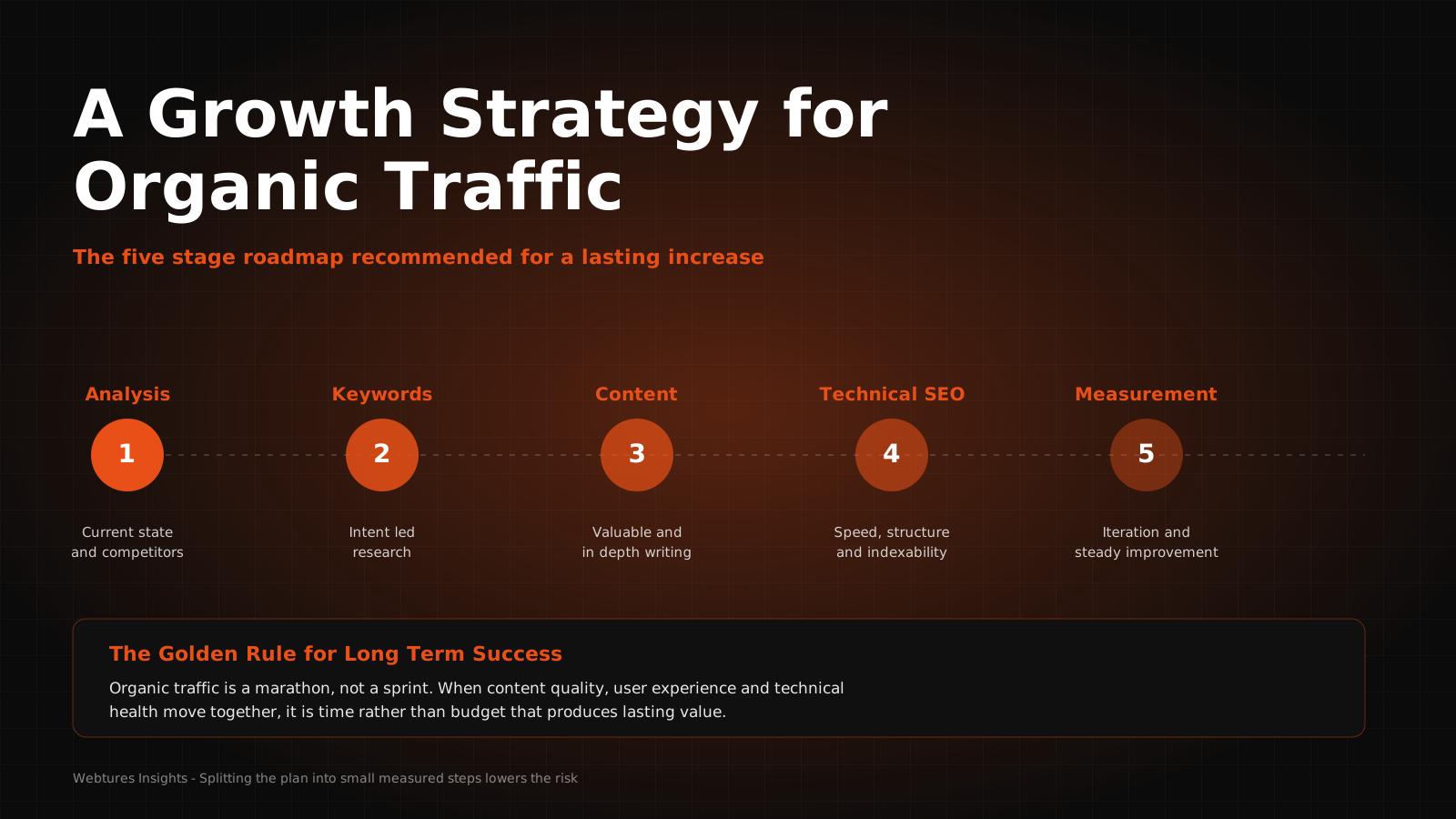
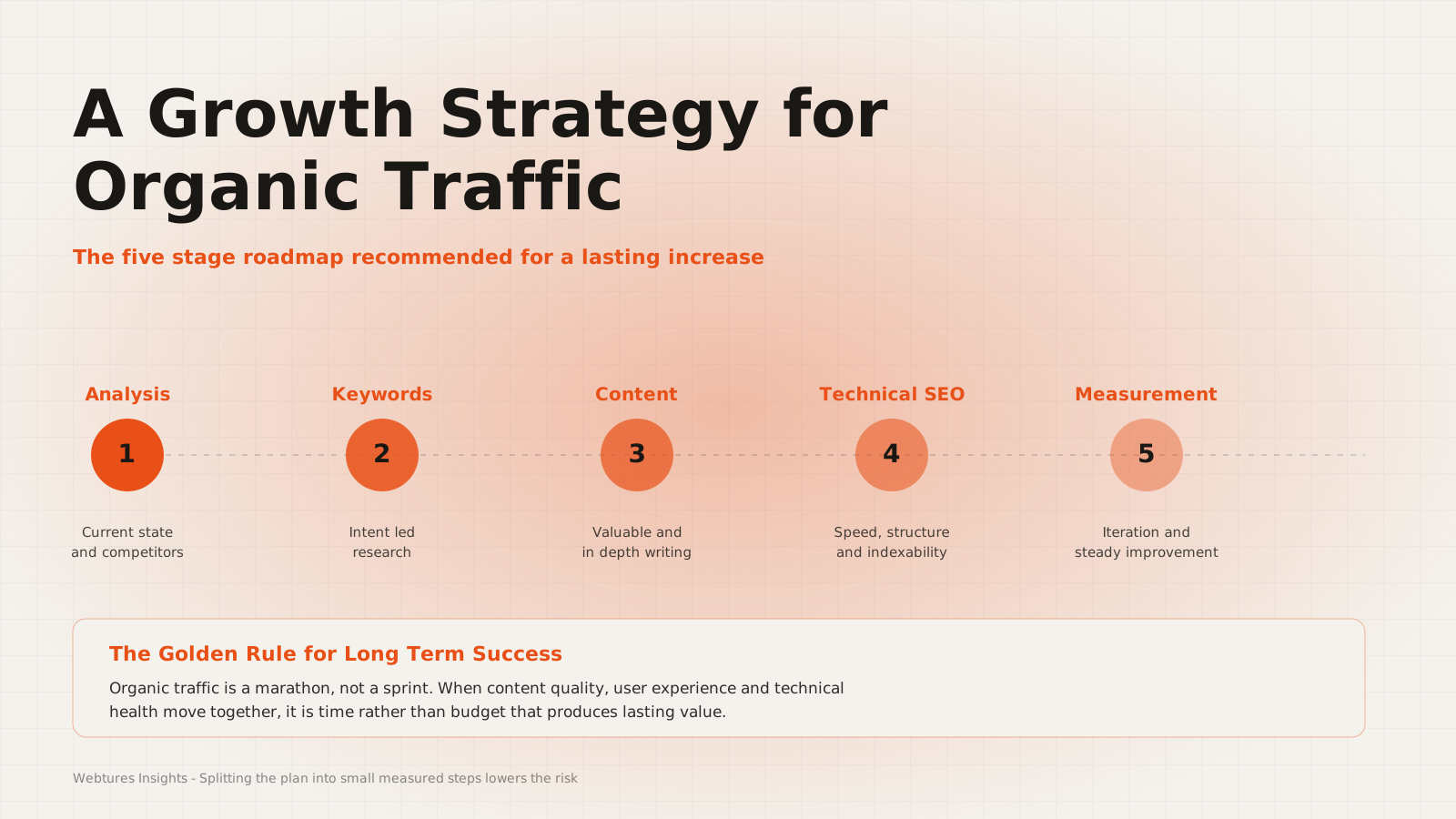
Organic traffic growth strategies aim to bring long-term, qualified visitors to the website. These strategies go well beyond producing new content. Technical infrastructure, content quality, search intent, prompt coverage, conversion-focused page structure, digital PR, social distribution, and AI Search visibility must be handled together.
To grow organic traffic, first understand which questions your audience asks, which prompts they research with, and which sources they trust. Then create comprehensive, current, expertise-driven content built to be usable as a source. The website then gains stronger visibility potential both in classic search results and on generative AI answer surfaces.
GEO-Focused Traffic Growth
GEO-focused traffic growth puts the user's questions, intent, and decision journey at the center. The goal is not only to be visible for specific queries but to make the brand consistently understandable across answer engines, comparison content, expert sources, guide pages, and social discovery spaces.
Classic keyword research is not enough on its own. That data should be interpreted together with query clusters, prompt variations, query fan-out possibilities, entity relationships, and answer formats. Users research with many different intents: "which tool is best", "how to do it", "why does it drop", "which brand is trustworthy". A content strategy should meet this variety with definitions, short answers, detailed explanations, examples, comparisons, and FAQ structures.
On-site structure should be strengthened through titles, meta descriptions, heading hierarchy, image alt text, schema, internal linking, and readability. Off-site authority is built through backlinks, brand mentions, digital PR, expert citations, and placements in trusted third-party sources. These signals raise both user trust and the likelihood of being selected as a source in AI Search.
How Is Organic Traffic Analysis Done?
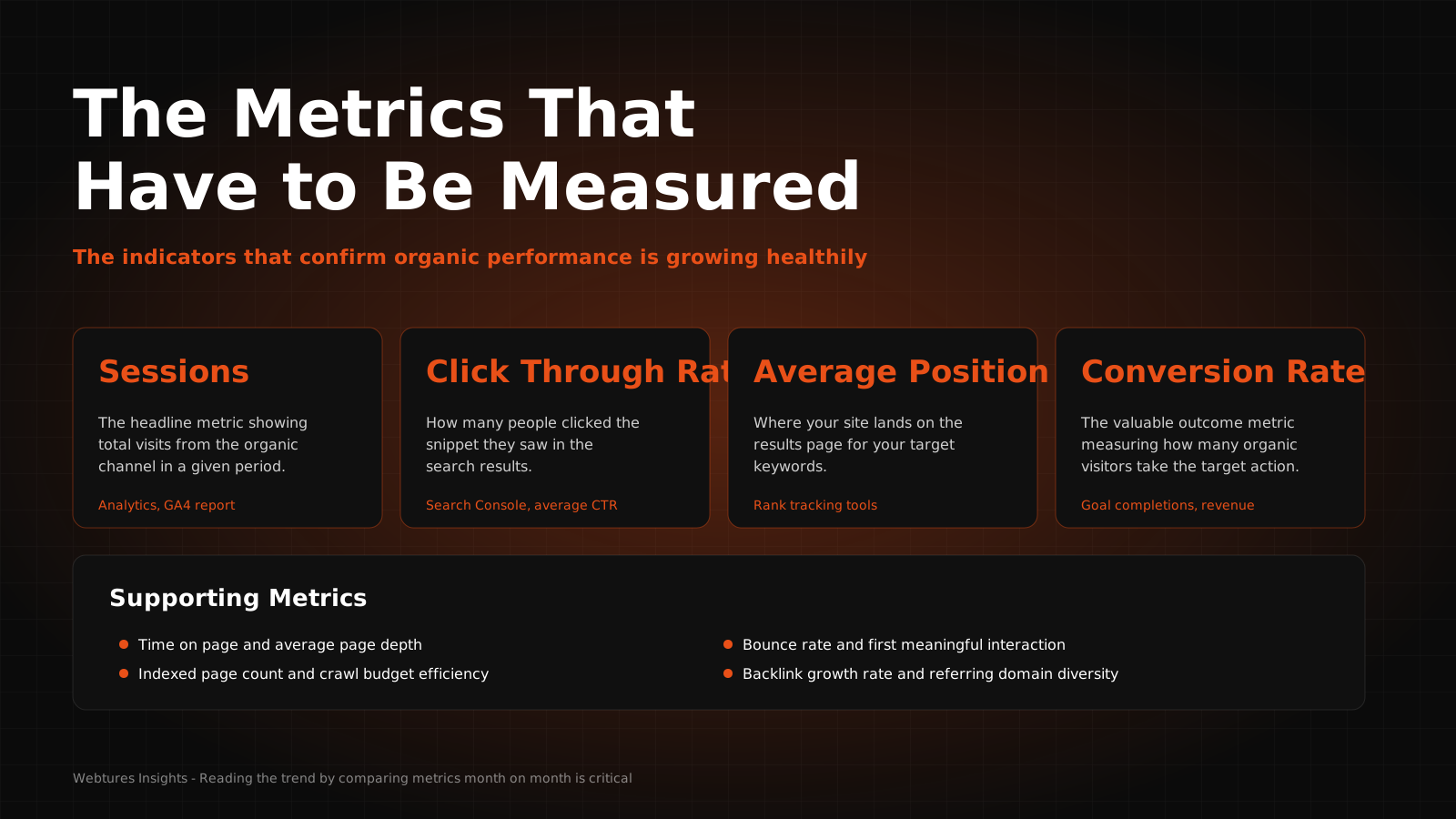
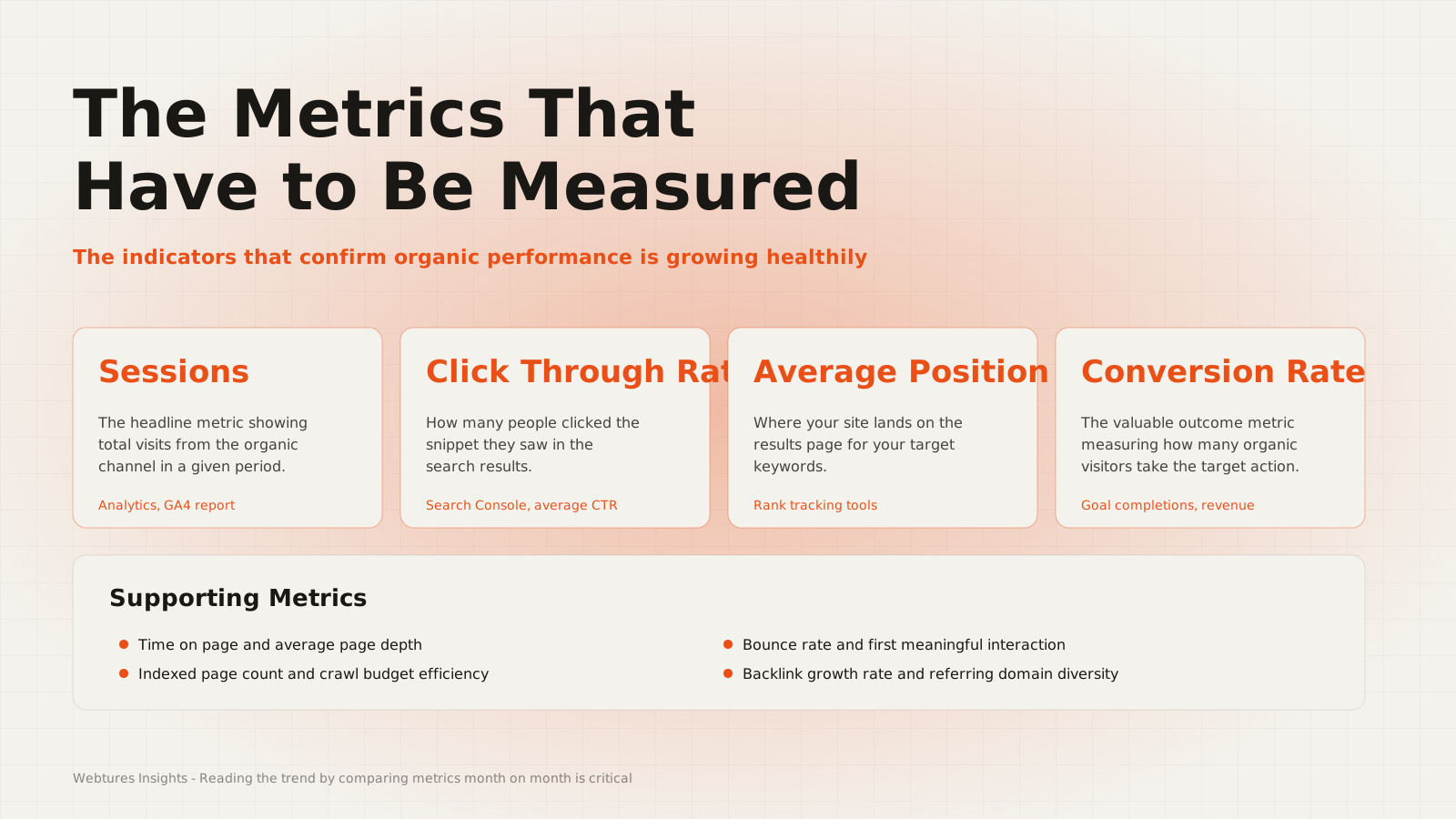
Organic traffic analysis is done to understand a website's visibility, engagement, and conversion performance. In the analysis, evaluate not just total visitor counts but channel, query, page, device, country, session quality, conversion rate, and revenue metrics together.
On the Search Console side, review clicks, impressions, CTR, and average position. This data shows which queries are gaining visibility, which pages are losing traffic, and which search appearance changes are affecting click-through rate. On the GA4 side, analyze the engagement, conversions, and customer journey of users arriving from organic search.
For GEO and AI Search, the analysis should be broader. Evaluate the content's potential to appear as a source in AI Overviews, AI Mode, or other answer engines through brand mentions, on-page entity clarity, structured data, freshness, and the degree of support from trusted sources.
Tools and Methods
For organic traffic analysis, Google Search Console, GA4, Google Trends, Ahrefs, Semrush, and server logs can be used together. Search Console analyzes search visibility; GA4 covers user behavior and conversion; Google Trends tracks demand shifts; Ahrefs and Semrush analyze backlinks, competitors, and visibility changes.
Data from any single tool is not enough to make decisions. For example, if impressions are rising in Search Console while clicks fall, examine titles and descriptions, SERP features, or the effect of AI answer surfaces. If organic traffic falls in GA4 while Search Console clicks hold, check tagging, channel grouping, or consent mode.
What Are the Advantages of Organic Traffic?
The most important advantage of organic traffic is that it delivers long-term, sustainable growth. Ad traffic can fall the moment the budget stops; organic traffic, with the right strategy, keeps generating brand awareness, trust, authority, and conversion potential over time.
Organic traffic connects users with the brand at the moment of active research or need. Conversion quality is therefore often high. Content becoming visible in search results, social posts, news sources, and AI Search answers also strengthens brand authority.
For businesses, organic traffic is a powerful channel for balancing advertising costs, building healthier customer acquisition, earning market trust, and generating long-term value from content investments.
The Role of Organic Traffic in Digital Marketing
In digital marketing, organic traffic ensures the brand is not only found but also perceived as a trustworthy source. When a brand appears naturally in front of users researching a product, service, or topic, it exerts a strong influence on brand awareness and the decision process.
Content marketing, digital PR, social media management, email marketing, community management, and GEO work all feed organic traffic together. When these areas are built correctly, the website becomes more than a traffic channel: it turns into a knowledge hub that answers user questions and is understandable to AI Search systems.
The Relationship Between Organic Traffic and Social Media
There is a strong relationship between organic traffic and social media. Social posts can generate organic social traffic directly; they can also help content reach more people, get shared, and earn references across other platforms.
Comments, shares, and brand mentions formed on social media support trust signals. Even though these signals do not always act as direct ranking factors, they can contribute to organic visibility through brand awareness, user demand, and digital PR effects.
From a GEO perspective, social content matters as well. How users talk about the brand, which topics they associate it with, and which content they share can strengthen the brand's entity perception. Treat social media strategy not just as a traffic acquisition channel but as part of brand authority and the AI Search source ecosystem.
Webtures in the Field: Organic Traffic Results
What organic traffic is in theory matters as much as how it grows with the right approach. A few measurable results from organic growth programs run by Webtures:
- BKM Kitap: a 102% increase in organic traffic and a 467% increase in the number of phrases covered by organic visibility.
- İnci Akü: organic traffic grew from 12,858 to 41,385 in 11 months, roughly 222% growth, with a 188% increase in first-page visibility.
- Ekol Lojistik: a 98% increase in organic traffic and a 90% increase in phrases covered by visibility.
- Papara: 450% organic traffic growth in five months.
These results come not from a single tactic but from a continuous improvement process centered on technical infrastructure, content authority, digital PR, measurement, and user intent. With a GEO focus, this approach helps the brand do more than attract traffic; it positions the brand as a trusted source across different search and answer surfaces.