AI search glossary: AI Mode, GEO, and AEO terms
Explore the core terms of the AI search ecosystem: AI Mode, AI Overviews, GEO, AEO, citations, and the new KPIs that now define brand visibility.

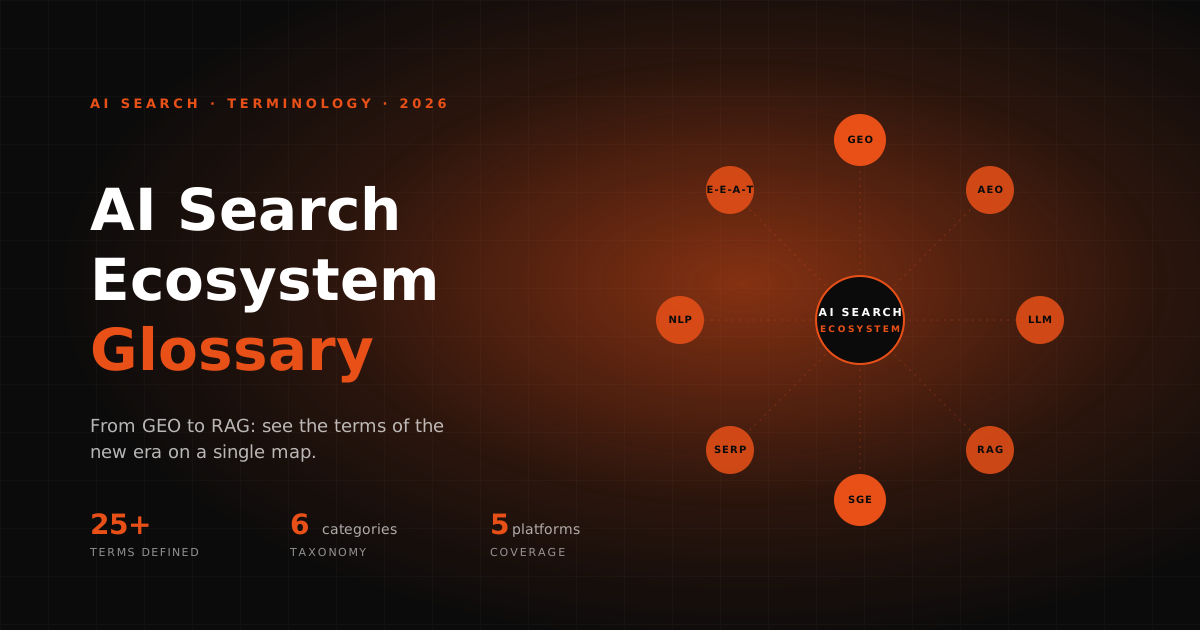
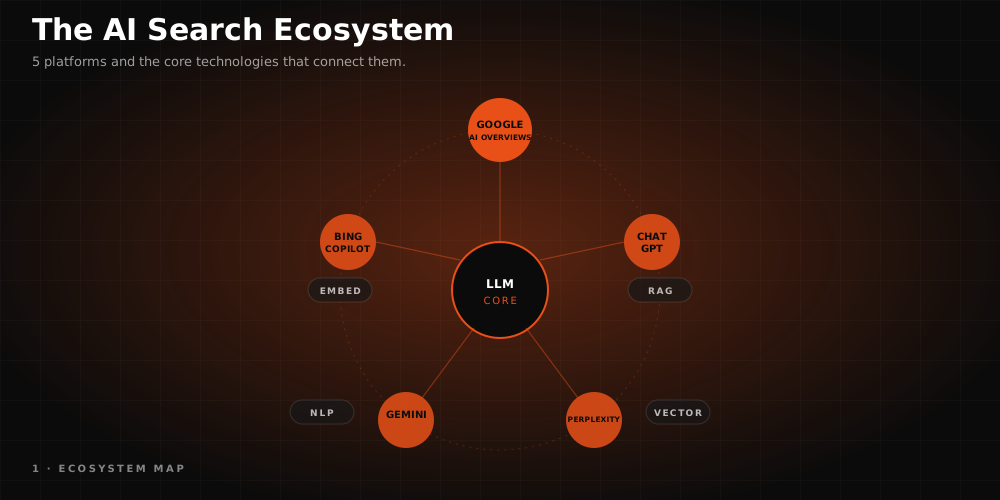
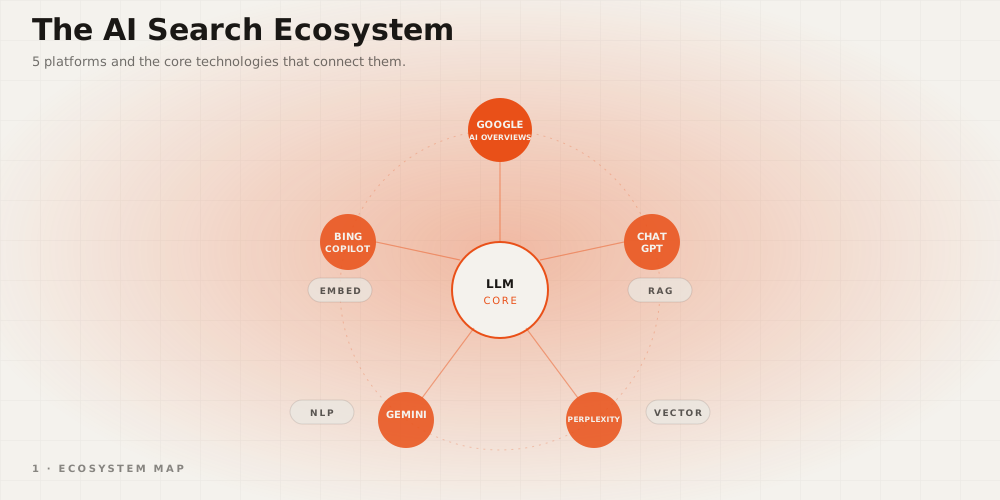
The AI search ecosystem represents a new paradigm that moves beyond classic search engines to focus on understanding user intent, generating answers, and synthesizing information. In this ecosystem, content is no longer optimized only to be indexed; it is optimized to be interpreted, broken apart, and restructured by AI models. That shift has expanded the scope of classic search optimization and given rise to new disciplines such as GEO, AEO, and entity-focused optimization. Users now want direct answers instead of clicking links, and brands want to be part of those answers. Understanding these concepts correctly therefore delivers a strategic advantage, not just a technical one. This glossary explains the core terms used in AI-powered search through real usage scenarios and an optimization lens, and details how brands should position themselves in this transformation.
What is AI Mode?
AI Mode is a search mode in which the entire experience is powered by AI and user queries are met with direct answers rather than a classic SERP. In this model the user can build multi-step, natural-language queries, and the system analyzes them, pulls information from multiple sources, and produces a unified answer. AI Mode gives users a major advantage in complex decision processes such as product comparisons, technical analysis, and health information.
From a GEO perspective, being visible inside AI Mode requires content built around context, intent, and source selectability rather than keywords alone. Content also needs to be chunkable, citable, and trustworthy. Because AI Mode aims to serve information directly rather than send users to websites, it pushes the concept of visibility without click to the forefront, which forces brands to define new KPIs.
What is AI Overviews?
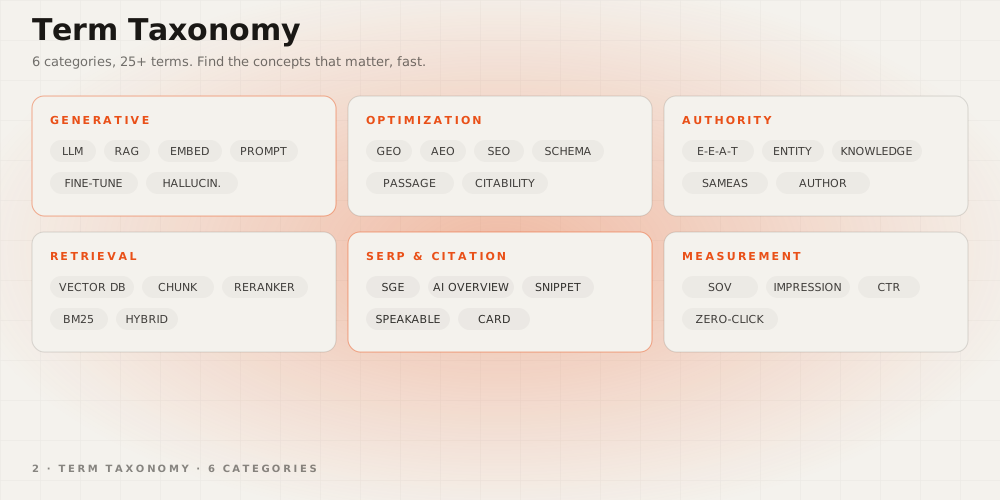
AI Overviews is a feature in which search engines present summarized, synthesized answers to a user query at the top of the classic results page. The system combines information drawn from multiple web sources into a quick summary for the user, usually supported by source references. AI Overviews drives significant CTR shifts, particularly on informational queries, because users can often get what they need without clicking through to a page. For content producers, the goal therefore becomes not just ranking, but earning a place inside these summaries. Clear, well-structured, trustworthy content plays a critical role here. Paragraph-level information delivery and semantic coherence also increase the likelihood of being selected by AI Overviews. This feature puts the concept of answer inclusion at the center of GEO strategy.
What is GEO (Generative Engine Optimization)?
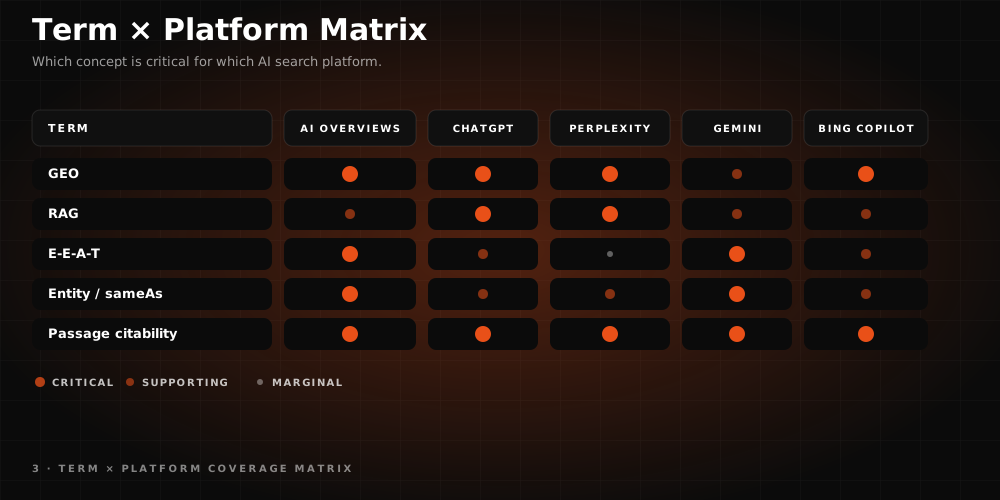
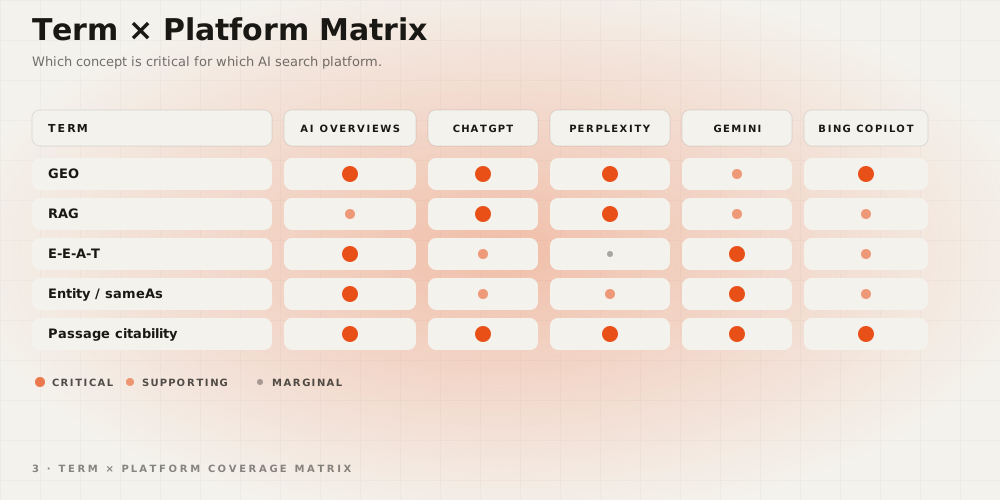
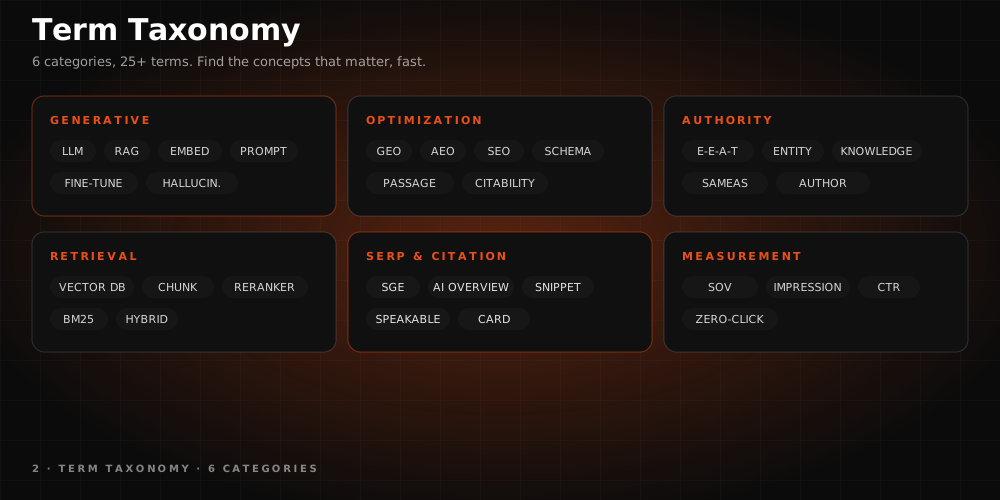
GEO is a next-generation optimization approach aimed at increasing visibility in AI-based search engines. Unlike classic search optimization, GEO focuses not only on rankings but on earning a place inside AI-generated answers. In this approach, content is designed so that AI models can understand it, break it apart, and reuse it. GEO strategies are built on semantic coverage, entity relationships, content structure, and citability. A piece of content should not only inform; it should contain modular blocks of information the model can reuse across different queries. One of GEO's most important outputs is the AI Visibility metric.
This metric measures how many different AI answers a brand appears in. GEO creates a new competitive arena, especially for B2B and e-commerce brands, because visibility is no longer limited to Google results.
What is AEO (Answer Engine Optimization)?
AEO is an optimization approach aimed at being visible in systems that answer user questions directly. These systems include voice assistants, chatbots, and AI-powered search engines. AEO's core objective is to structure content in question-and-answer format so these systems can extract it easily. Earning visibility in areas such as People Also Ask and featured snippets sits among AEO's classic goals.
In the AI era, however, AEO has broadened into a strategy for appearing inside AI-generated answers. Content that delivers clear, short, direct answers improves AEO performance. Using headings and subheadings that match user intent also helps the content get evaluated in the right context. AEO can be thought of as a more specific, question-focused subset of GEO.
What is entity-focused optimization?
Entity-focused optimization targets the entity-based approach that search engines and AI systems use to make sense of content. The focus here is on concepts, brands, people, and relationships rather than keywords. A brand, for example, should be defined and referenced consistently not just on its own website but across other sources. Entity-focused optimization is critical for gaining visibility in knowledge graph structures. AI models analyze entity relationships when evaluating content and infer trustworthiness from those relationships, so entity connections within content must be explicit and clear.
A brand appearing in the same context across different platforms also increases the likelihood of AI recognition. Entity-focused optimization is one of the foundational building blocks of GEO strategy and plays an important role in long-term authority building.
What is a citation and why does it matter?
A citation refers to the information sources used inside AI-generated answers. These references build user trust and support the accuracy of the content. Because AI systems pull data from multiple sources when composing an answer, the reliability and authority of those sources matters enormously. From a GEO perspective, earning citations resembles the classic backlink concept but delivers more direct source visibility.
The user sees the brand right inside the answer. Citation rate is an important metric for measuring a brand's influence in the AI ecosystem. For content to be citable, it must contain clear, precise, original information. Presenting consistent information across platforms also increases the likelihood of being cited. This concept plays a central role in GEO strategy.
What is query fan-out?
Query fan-out is the process by which AI systems split a user query into sub-queries to run a more comprehensive information-gathering pass. The AI analyzes the different sub-topics derived from the main query and uses separate sources for each one to build a richer answer.
A query such as "best CRM tools," for example, can fan out into sub-queries covering pricing, features, and use cases. This creates a significant opportunity for content producers, because content optimized for each sub-query gets used more often by AI. Query fan-out requires content to target a topic cluster rather than a single keyword, an approach directly tied to topical authority. Modular content structure also makes it easy for AI to reuse individual pieces. This concept is the key to expanding content coverage in GEO strategy.
What are chunking and content extractability?
Chunking is the process of dividing content into small, meaningful, self-contained pieces. AI models can process these pieces easily and reuse them in different contexts. Content extractability describes how easily those pieces can be pulled out and understood. AI systems prefer clear, structured blocks of information over long, complex text, which makes paragraph structure, heading hierarchy, and language use critically important. Keeping each paragraph focused on a single idea, for example, improves extractability.
Using lists, tables, and precise definitions also makes content more likely to be favored by AI. A chunking strategy is a critical factor for gaining visibility inside AI Overviews and AI Mode in particular. This approach increases content reusability and raises the odds of appearing across a wider range of queries.
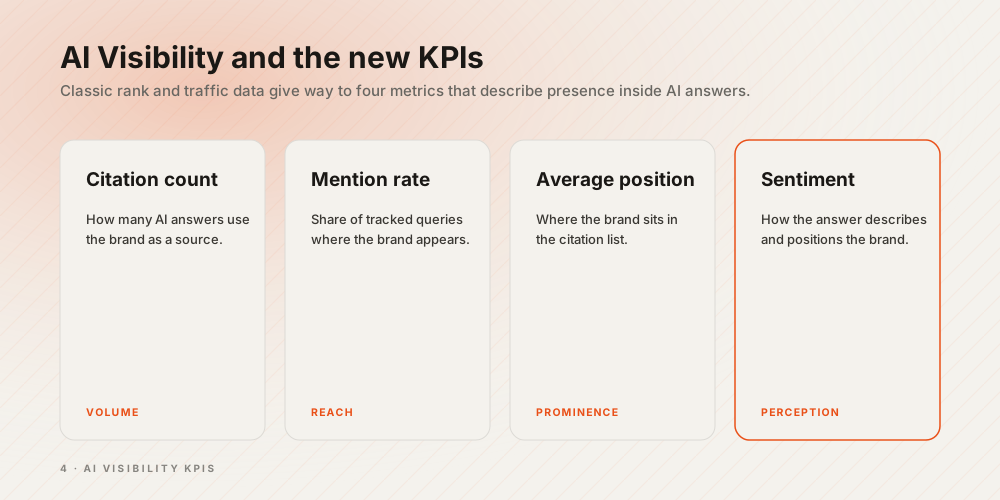
AI Visibility and the new KPIs
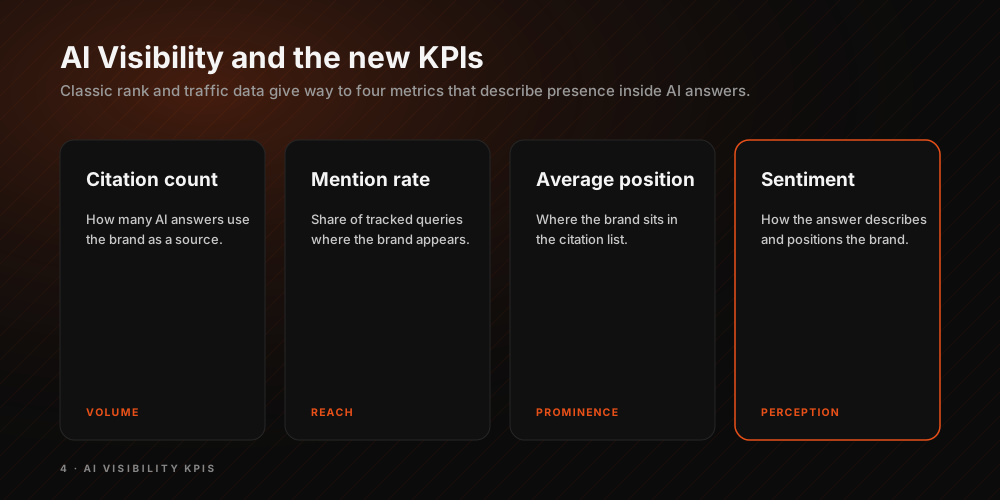
AI Visibility is a metric that measures how often a brand appears in AI-powered search results. It goes beyond the ranking and traffic data of classic search optimization to analyze visibility inside AI answers. AI Visibility has brought new KPIs with it, including citation count, mention rate, average position, and sentiment. These metrics give a much clearer picture of a brand's position in the AI ecosystem. High mentions but low coverage, for example, can indicate that a brand is strong on specific queries but weak in overall visibility, which is why the metrics must be evaluated together. AI Visibility is used above all to measure the success of GEO strategy and plays a critical role in next-generation performance analysis.
A strategic approach to the AI search ecosystem
Succeeding in the AI search ecosystem requires rebuilding your content strategy. The focus in this ecosystem is producing trustworthy, citable content that delivers real value to users. Strategically, content must be optimized not only for search engines but for AI models, which means expanding semantic coverage, strengthening entity relationships, and restructuring content architecture.
Maintaining a consistent brand presence across platforms also increases the likelihood of AI recognition. AI search represents not just a technical shift but a fundamental change in content and brand strategy. Brands that want a place in this ecosystem need to extend their classic search visibility approach by integrating GEO and AEO strategies.