Why Does Original Research Content Stand Out in AI Search?
Learn why original research content gains stronger AI Search visibility through data, methodology, trust signals, and source value.

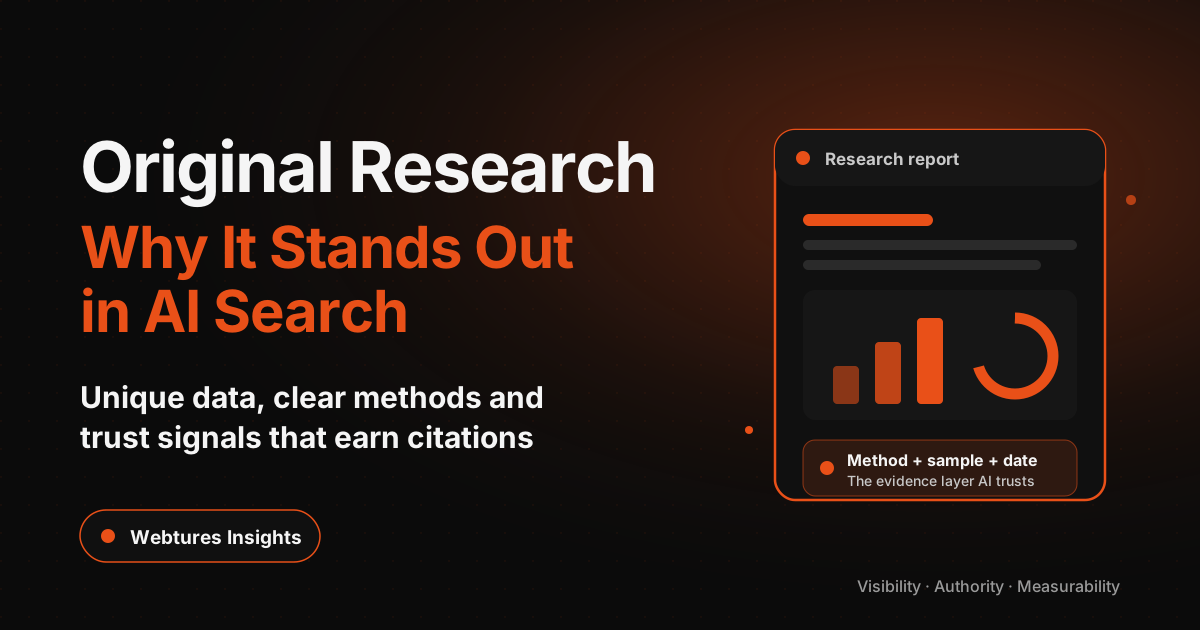
Original research content is one of the strongest content formats for helping a brand produce new insights from its own data and be selected as a reliable source in AI search. In the age of AI Search, similar blog summaries, generic guides, and repetitive content can become easily replaceable. Pages that include original data, surveys, benchmarks, industry reports, and clear methodologies can create much higher source value. This is because AI systems can extract more meaningful information from sources that provide new insight, verifiable findings, and decision support. For SEO, content, product, and growth teams, the goal is therefore not only to publish content or generate organic traffic. The real objective is to position the brand as an authority that produces, interprets, and contextualises data in a specific field. A successful approach brings together the research question, data source, methodology, findings, technical accessibility, and performance measurement. This turns original research from a one-time report into a strategic asset that supports sustainable AI visibility.
Why AI Answers Value Pages With Original Data
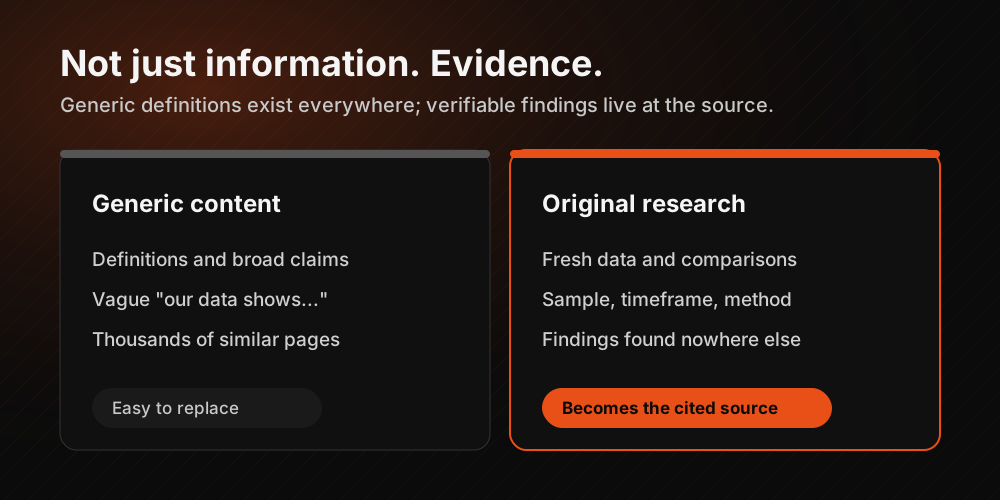
In AI search experiences, visibility is measured not only by whether a page can be found, but also by how it is used as a source within the answer. Users often look for verifiable insights, industry comparisons, current data, and clear findings that are not easily available from other sources. Original research content therefore gives AI answers not only information, but also an evidence layer. When a report clearly presents its sample, time period, data source, and methodology, the model can evaluate it as a more meaningful reference.
In traditional SEO, strong evergreen content can perform well for specific queries over time. In AI search, however, standing out requires more than explaining a topic. The content needs to add a new perspective, data point, or interpretation. For example, a generic article about “2026 e-commerce trends” can easily be replaced by similar content. A report based on 500 survey responses, 12 months of sales data, or proprietary benchmark results in a specific industry has stronger source value. Original research therefore positions the brand not only as a content publisher, but also as a producer of knowledge.
How Search Intent Should Shape Original Research Content
Search intent for original research content should not be interpreted only at keyword level. Teams should also consider what kind of evidence the user is looking for, which decision stage they are in, and how they plan to use the data. Some users want to understand industry trends. Others want to benchmark their own performance or use the findings in a presentation, strategy document, or purchase decision. For this reason, research content should not be designed only as a page that lists findings. It should work as a resource hub that supports different user needs.
For a user in the research stage, topic definition, data scope, and key findings are important. A user in the decision stage needs comparisons, segment breakdowns, risks, opportunities, and actionable recommendations. When the content is structured to support these different intents, AI systems can use the report as a source across a wider range of queries. This is why original research pages should present executive summaries, methodology explanations, charts, data tables, industry breakdowns, and interpreted insights together.
How to Build Trust Signals in Original Research Content
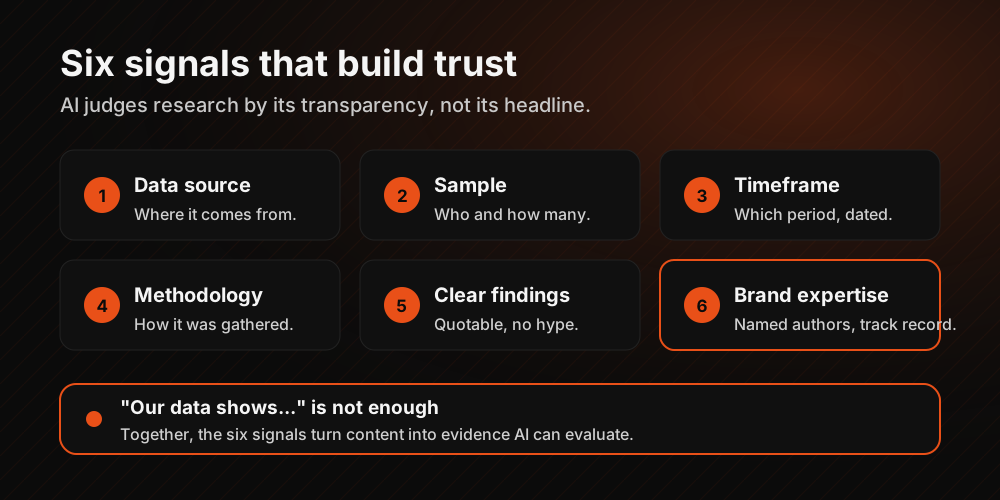
The research topic, data source, sample size, time period, methodology, findings, and brand expertise gain meaning together. AI systems can evaluate research content not only by its headline, but also by how the data was collected, how it was interpreted, and how transparently it was presented. For this reason, instead of broad statements such as “according to our data”, the page should explain which sources the research is based on, when the data was collected, and how the analysis was carried out.
Trust signals become especially important in industry reports, benchmark content, survey results, and data-led guides. Clear author or organisation information, research methodology, sample size, update date, data limitations, and expert commentary can help the content be evaluated as a stronger source. In contrast, unclear chart sources, unexplained datasets, outdated findings, or exaggerated conclusions can weaken trust. Original research content should therefore be transparent and balanced both in its data and interpretation.
How to Prepare a Research Page AI Systems Can Read
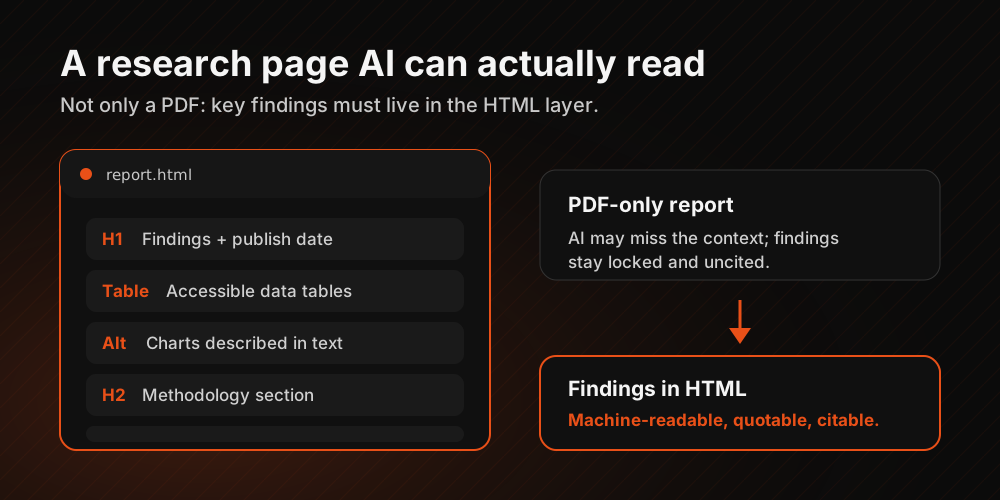
Original research content should not be published only as a PDF. Where possible, it should be supported by an HTML report page, accessible tables, explanatory chart text, a methodology section, author information, publication date, and a clear canonical structure. AI systems and search engines may not always extract enough context from visuals or downloadable files alone. Critical findings, chart explanations, table summaries, and key interpretations should therefore be clearly expressed in the page copy.
Technical infrastructure is a direct part of the visibility strategy. The page should be indexable, the heading hierarchy should be clear, structured data should support the content, media files should be accessible, and internal links should connect the research to relevant topic clusters. Research content should also not remain isolated on a single report page. It can be supported by blog posts, category content, social media posts, webinar summaries, and sales presentations. This turns the research data into a reusable knowledge asset across multiple brand touchpoints.
Which Formats Make Research Content More Effective?
Benchmark reports, survey results, dashboard summaries, industry breakdowns, and interpreted findings are core elements of original research content. However, presenting these assets only in long paragraphs can limit their value for both users and AI systems. Research content becomes more readable when it includes key finding boxes, chart explanations, data tables, segment breakdowns, methodology sections, and actionable recommendations.
The following formats can create stronger signals for AI Search:
- Key findings: Summarise the 3-5 most important results of the report clearly.
- Methodology summary: Explain how the data was collected and how it should be interpreted.
- Comparison tables: Clarify differences between segments, periods, or competitor groups.
- Interpreted charts: Explain what the chart means instead of only showing the data.
- Actionable takeaways: Show what the findings mean for the brand, industry, or user.
This structure supports not only readability, but also the likelihood of the research being used as a source in AI-generated answers.
Original Research Value Matrix for AI Search
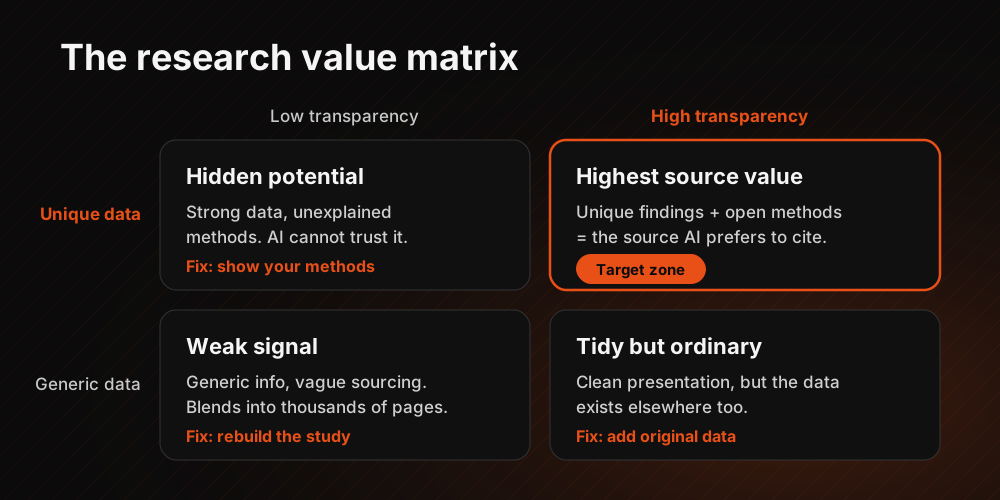
The matrix below can be used to evaluate how strongly original research content supports AI Search visibility. The aim is not to create a standard task list, but to clarify which elements increase the source value of research content. Teams can use this structure when planning a new report, updating existing research content, or analysing AI visibility performance.
How Original Research Content Performance Should Be Measured
Original research content performance should not be measured only through organic traffic or ranking metrics. This type of content should also be evaluated through brand authority, source selection potential, backlink acquisition, PR impact, social sharing, and the likelihood of being referenced in AI answers. For this reason, mention frequency, citation visibility, source selection, answer accuracy, competitor visibility, sentiment, and conversion impact should be monitored together.
On the traditional measurement side, Search Console, analytics data, referral traffic, backlink acquisition, page engagement, and conversion outcomes can be tracked. On the AI visibility side, target prompt sets should be run regularly to analyse which questions use the research as a source, which findings are carried into AI-generated answers, and how the report is compared with competitor content. This makes it easier to evaluate the research not only as a traffic asset, but also as a visibility, trust, and authority asset.
Risks and Quality Control Areas in Original Research Content
Outdated data, unexplained methodology, conflicting findings, technically inaccessible charts, and exaggerated conclusions can weaken the reliability of original research content. These risks often do not come from small errors on a single page, but from the research process not being planned clearly from the beginning. For example, a report may be based on a strong dataset, but if the methodology is not explained, charts do not have text equivalents, or findings are overgeneralised, the source value can decrease.
Quality control should cover content, technical structure, and data accuracy. Before publication, the following points should be checked:
- Is the data source, time period, and sample size clear?
- Are findings explained in text as well as charts?
- Is the methodology section easy to understand?
- Do the headlines reflect the findings without exaggeration?
- Is the page accessible and indexable as HTML?
- Do critical charts have explanatory captions or table equivalents?
- Are any differences from previous reports clearly explained?
These checks help the content be evaluated as more reliable by both users and AI systems.
An Actionable Growth Plan for Original Research Content
First, the existing content inventory should be mapped, and the topics where the brand can produce original data should be identified. Customer data, product usage data, sales trends, survey results, industry observations, or campaign performance data can all become strong sources for research content. At this stage, the goal is not only to find report ideas, but to identify where the brand can genuinely provide new information.
In the second stage, the research question, methodology, and data scope should be clarified. In the third stage, findings should be supported with summary boxes, charts, tables, segment breakdowns, and expert interpretation. In the fourth stage, the research should be published as an HTML report page and supported with related blog, category, product, social media, PR, and webinar content. In the final stage, AI prompts, citation visibility, backlink acquisition, organic performance, and conversion impact should be monitored regularly.
At this point, Brantial, as an AI visibility tool, can help brands understand whether their original research content is being used as a source in AI-generated answers, which prompts reference it, and which sources AI models visit when forming their responses. These insights create an opportunity not only to measure the performance of the research page itself, but also to identify which publications, data pages, or industry sources the brand should strengthen its presence in. This kind of growth plan turns original research content from a one-time report into a knowledge asset that supports sustainable AI Search visibility.

Let us make your brand visible in AI search.
Share your goals, we'll come back with a custom growth plan within one business day. A strategy lead will reach out personally.
Get in touch