How Do Author Biographies and Expert Bylines Affect AI Citations?
Author bios and expert bylines prove the person behind content to AI, affecting citations. We cover how to build a strong author signal for GEO in detail.

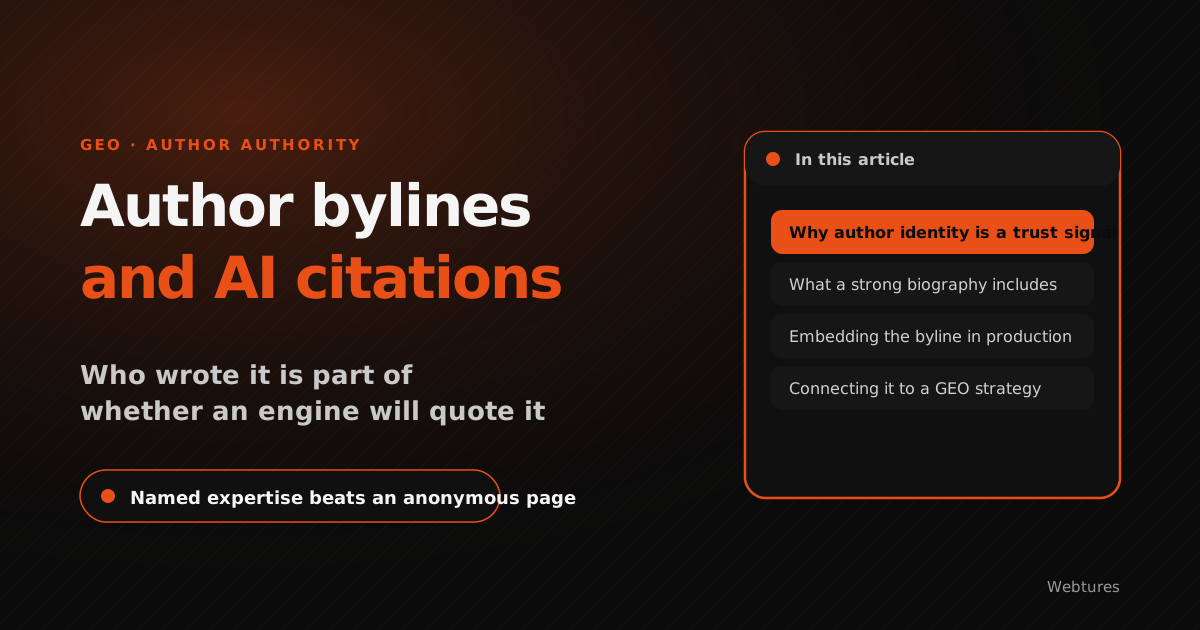
Author biographies and expert bylines are trust elements that prove to both the reader and AI who is behind a piece of content and why they are authoritative on the topic. Before citing a source, AI search engines want to answer “who wrote this and is it trustworthy”; a clear author identity provides the answer. A well-built biography turns a name from an abstract label into a verifiable expertise entity. This article covers in detail the effect of author biographies and expert bylines on GEO and citation behaviour.
Why Author Identity Is a Trust Signal?
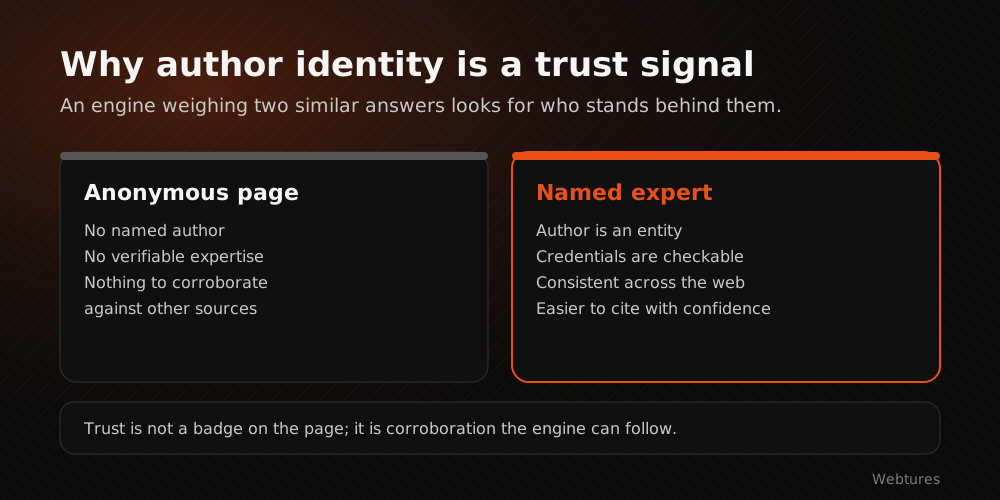
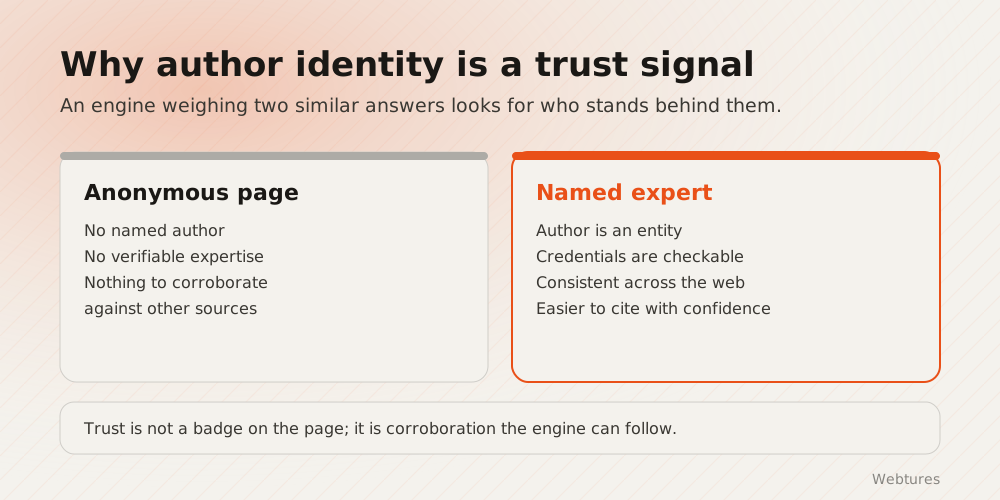
Author identity is a trust signal because a content’s accuracy cannot be separated from the competence of the person who produced it. The same sentence carries different credibility when written by an expert on the topic than when it comes from an anonymous source. To ensure the answer they produce is accurate, AI engines assess the content’s source; an author’s name, title, experience and background on the topic are inputs to this assessment. An anonymous or vague byline makes it hard for the engine to build trust.
This effect becomes clearest on topics requiring expertise. Having a genuine expert behind a health, finance or law content increases the chance of that content being handled with trust by AI search engines. Author identity also links the brand’s authority to individual expertise; when a topic is consistently associated with the same expert, all content bearing that expert’s byline benefits from this accumulated trust.
What a Strong Author Biography Includes?
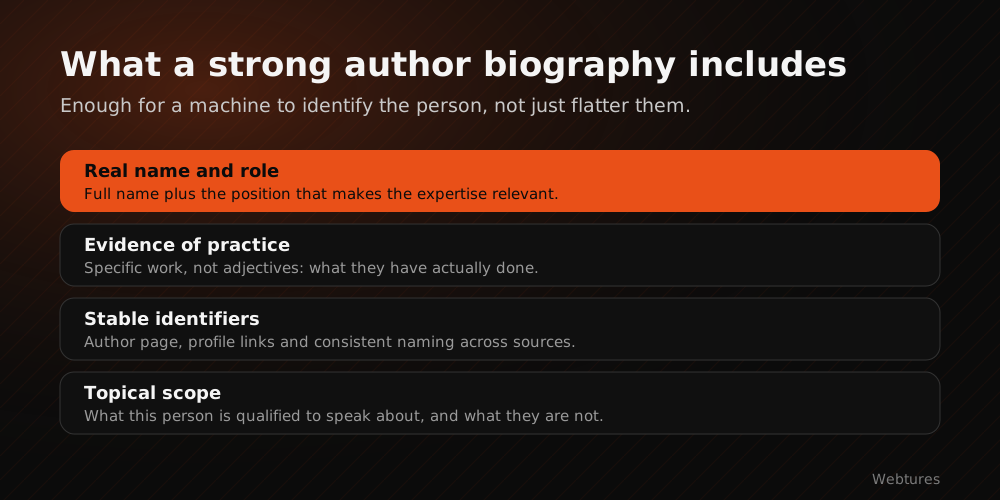
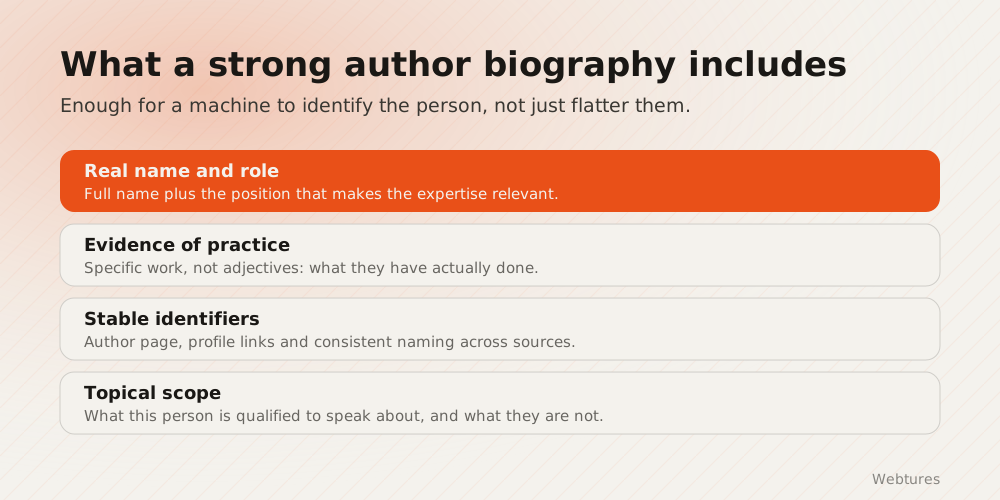
A strong author biography carries concrete information that backs a name with a verifiable expertise background. What matters is not a superficial “X is passionate about digital marketing” sentence but elements that prove why the person is authoritative:
- Area of expertise: Clearly state the topics the person has gone deep in.
- Credentials and experience: Add verifiable proof such as years of experience, education, certifications or industry roles.
- Content history: Link to the author’s other content on the same topic to create a consistent trail of expertise.
- External profiles: Link to profiles on LinkedIn and relevant platforms to make the identity verifiable.
- Real identity: Use a photo and real name to position the author as a concrete person.
The common aim of these elements is to make the author an entity that AI can recognise and verify. The biography and Author/Person schema complement each other: schema makes the information machine-readable, while the visible biography presents this information with its context for both user and engine. When the two are consistent, the author signal reaches its strongest form.
Biography element, schema field and evidence
| Element | Person schema field | Evidence |
|---|---|---|
| Real name and photo | name, image | Author profile page, consistent image |
| Title and organisation | jobTitle, worksFor | Organisation name matching the Organization schema |
| Area of expertise | knowsAbout | Content history on the same topic |
| External profiles | sameAs | LinkedIn, speaker pages, publication lists |
| Credentials | hasCredential, alumniOf | Certificates, education, industry roles |
Embedding the Expert Byline into the Content Production Process
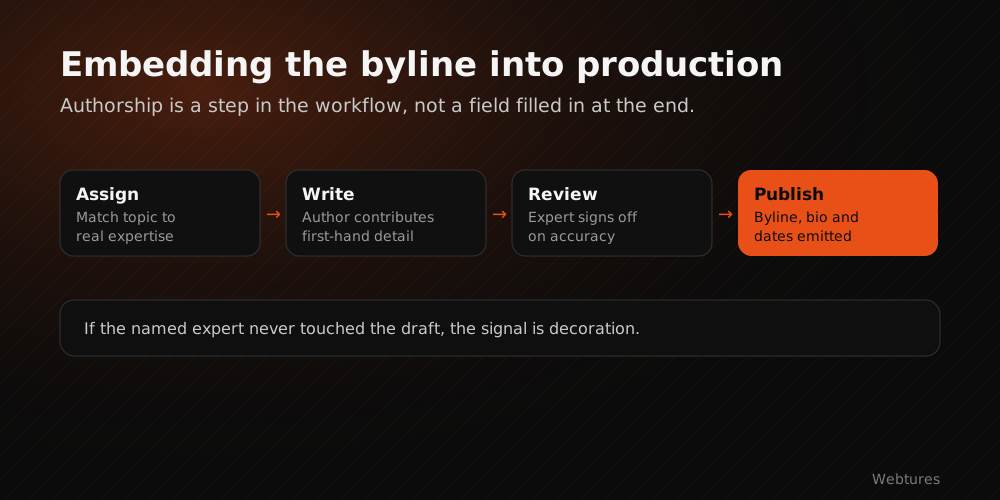
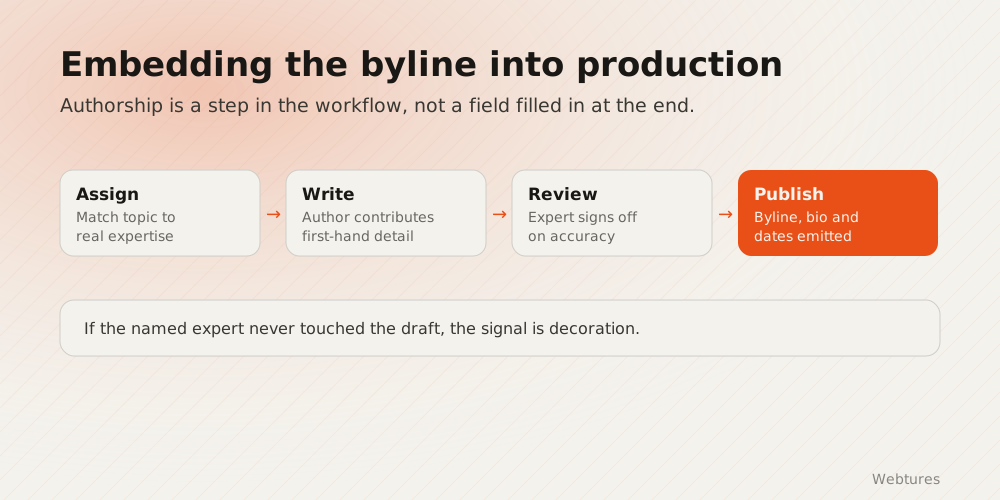
An expert byline should not be just a name added to content afterwards; it should be a genuine part of the content production process. The most honest way is to have content actually written by an expert in the field or reviewed and approved by one. In the latter case, transparently stating that the content was reviewed by an expert carries value both ethically and for trust.
This approach can be maintained even in content production at scale. Although a brand produces a lot of content, it can build a consistent byline structure by matching each piece with an expert on the relevant topic. What matters is that the byline reflects a genuine contribution; fake bylines implying non-existent expertise permanently damage trust when discovered. An honest, consistent expert byline, however, strengthens the brand’s E-E-A-T-based credibility over time.
Connecting Author Authority to a Holistic GEO Strategy
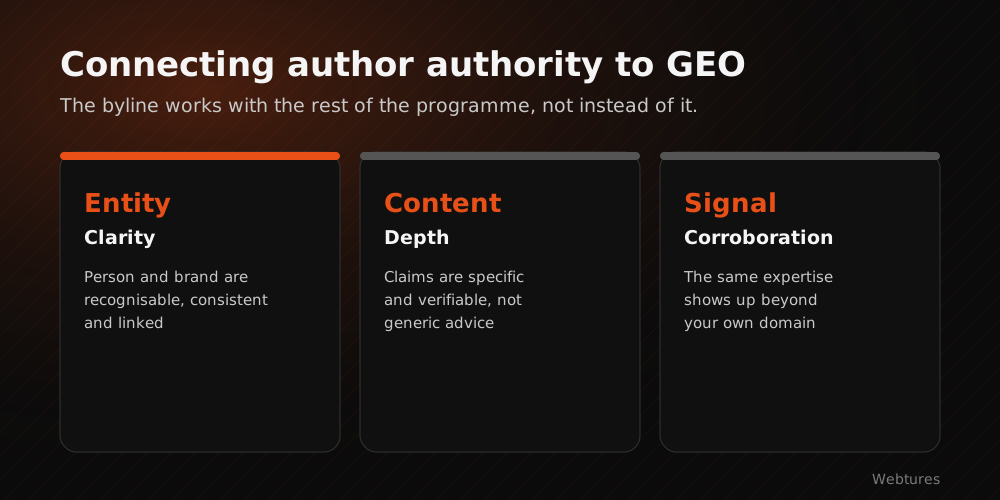
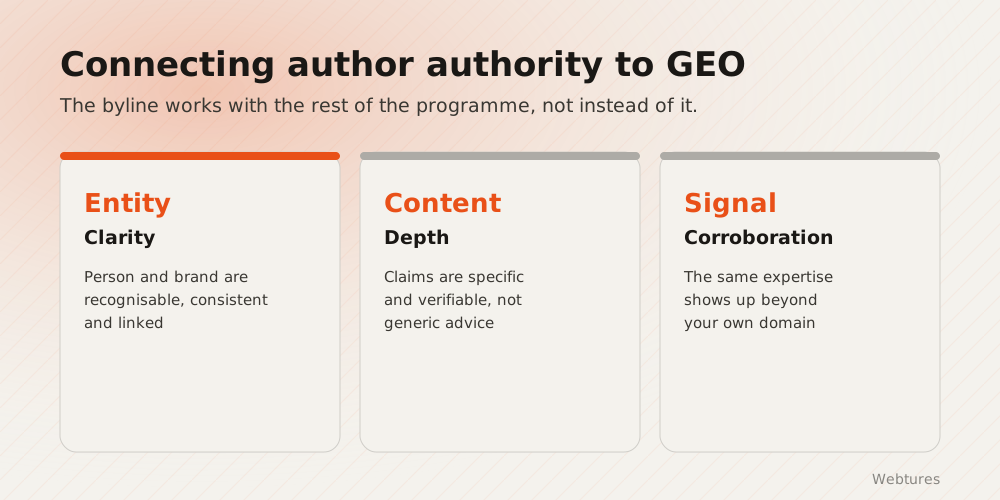
Author biographies and expert bylines are not a standalone fix but part of the brand’s authority architecture, and they produce the most value with a holistic GEO strategy. When author signals are built together with content quality, external authority and structured data, the brand gains a consistent credibility built on individual expertise. This concerns not individual authors but the brand’s total authority perception in a field.
Webtures handles author authority as a layer of brand strategy within its GEO consulting service. The program assesses, through a visibility audit, which experts the brand’s content is associated with and how these bylines resonate on AI surfaces; then, in the Entity & Semantic Coverage phase, it clarifies author entities, areas of expertise and external profiles with structured data. Webtures also ensures each expert gains a verifiable identity through permanent author profile pages and consistent biography structures; this way the brand’s content is cited more often as trusted sources bearing recognisable experts’ bylines, rather than anonymous texts, in engines like ChatGPT, Perplexity and Google AI Overviews.
The off-site leg of the expert entity is the same name being mentioned with the same topic in earned media and on LinkedIn; we cover it in digital PR for AI answers, and brand-information consistency in how to become visible in AI search.
Frequently Asked Questions
Is content written under a pen name at a disadvantage in AI citations?
A pen name can create a disadvantage when it does not offer a verifiable expertise background. When assessing a source’s trustworthiness, AI engines use the author’s real identity and credentials as an input. A real author with a consistent identity, content history and external profiles produces a stronger trust signal than an anonymous or vague byline. So a real, verifiable author identity should be preferred where possible.
Does every blog post need a detailed author biography?
A detailed biography is strongly recommended for content that carries expertise and relies on an opinion or analysis. Guides, analyses and industry commentary benefit from the author’s competence being visible to reader and engine. For purely functional or very short announcement-type content, a short byline may be enough. The decisive criterion is whether there is assessable expertise behind the content.