AI-Powered Digital Transformation in Logistics
Planning, warehouse operations, route optimization, and customer experience in logistics can be managed faster and with higher predictability through AI.
Why AI Is Now Critical for Logistics
Logistics teams are under constant pressure from rising costs, shorter delivery expectations, and stricter transparency requirements. AI has become the core enabler for handling this pressure at scale.
Industry reports such as State of Supply Chain and Logistics Trend Radar show that companies expect AI to play an increasingly central role in supply chain decisions over the next years.
Operational Impact: Efficiency, Speed, Accuracy
AI-enabled systems reduce manual workload, lower error rates, and improve decision quality across logistics operations, especially in warehousing, dispatch planning, and delivery management.
Warehouse Automation
AI-supported warehouse workflows improve inventory accuracy and reduce processing times.
Route and Delivery Optimization
AI combines traffic, weather, and delivery density signals to produce better routing decisions.
Forecasting Models
Demand and capacity forecasting improves stock, fleet, and workforce utilization.
End-to-End AI from Warehouse to Distribution
AI creates the biggest impact when logistics processes are connected end-to-end rather than managed in isolated silos. Inventory, picking, fleet loading, and delivery execution become part of a single data-driven flow.
This approach improves cost control while also increasing delivery consistency and customer satisfaction.
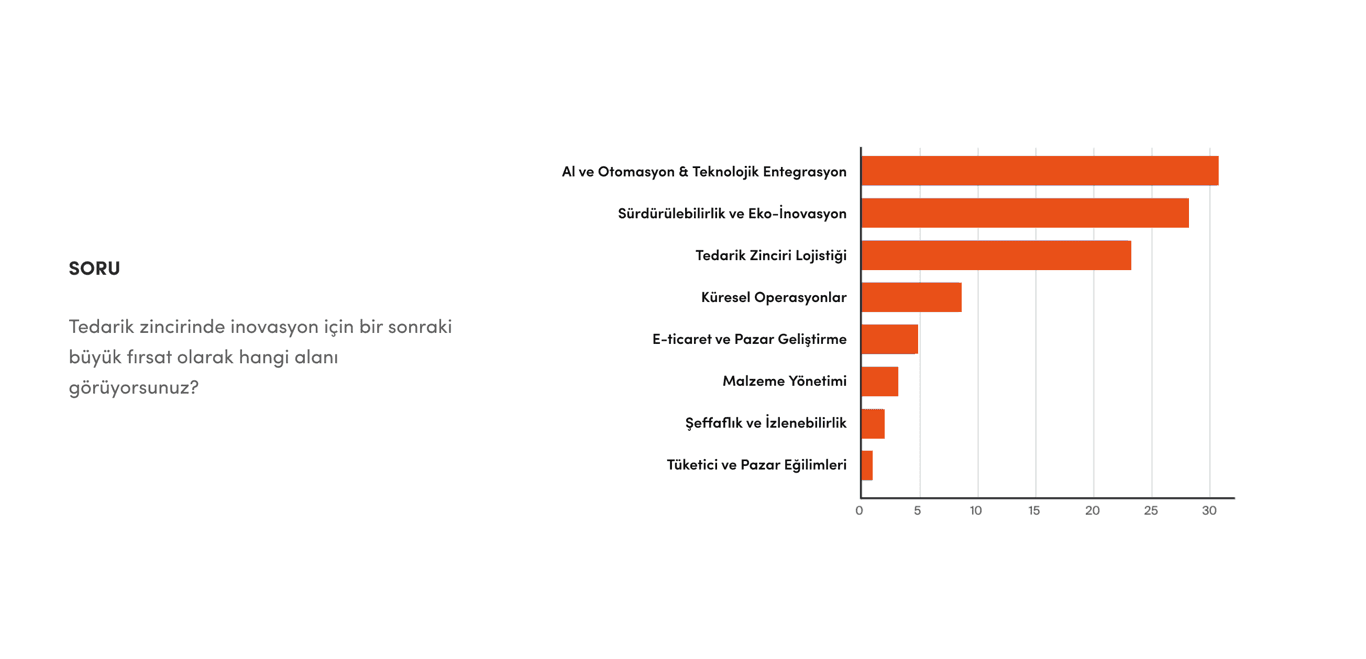
Smarter Planning and Route Management
AI-based route optimization evaluates delivery windows, load capacity, traffic patterns, and field constraints together. The outcome is lower operational cost with shorter delivery cycles.
On the planning side, AI improves responsiveness to changing demand and enables more proactive operational decisions.
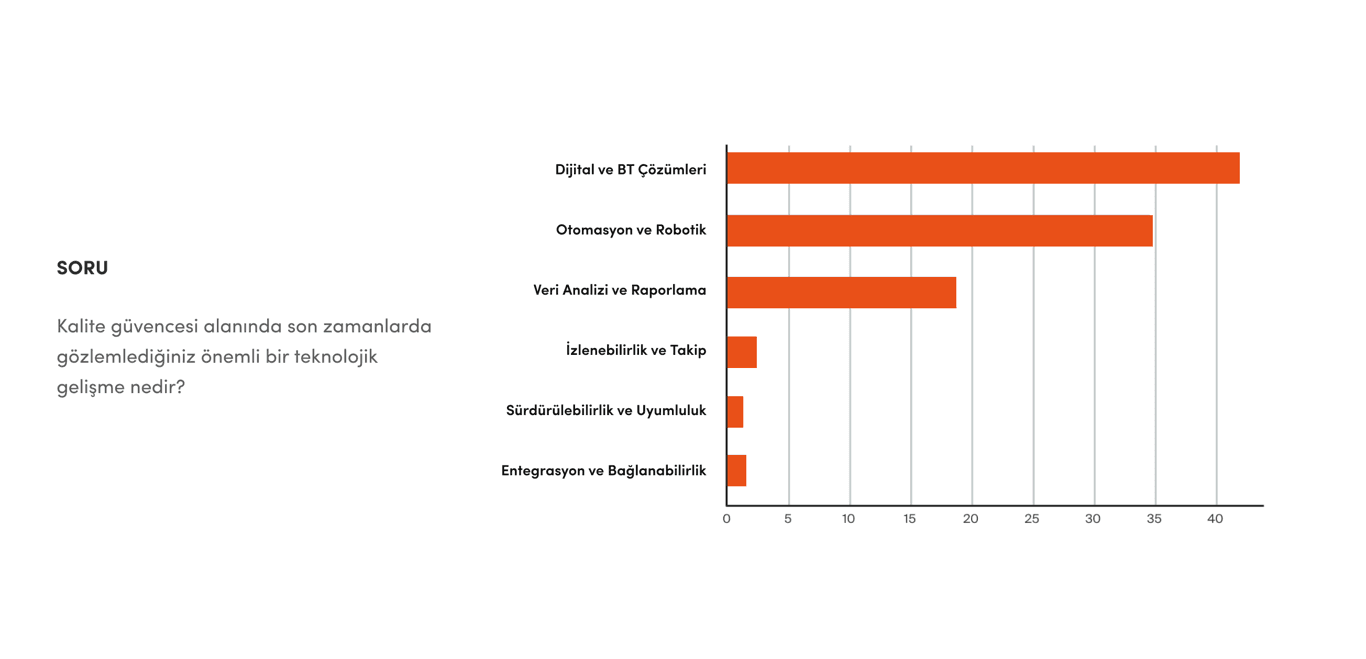
Investment Priorities in Logistics
The next wave of AI transformation requires aligning technology investments with measurable operational goals. Companies should plan for short-term gains and long-term competitiveness together.
Autonomous and Semi-Autonomous Transport
Improves reliability and lowers costs in long-distance logistics operations.
Drone-Based Last-Mile Delivery
Increases delivery flexibility and reduces pressure in hard-to-access regions.
Sustainable Logistics
Supports low-emission and energy-efficient operations with AI-driven controls.
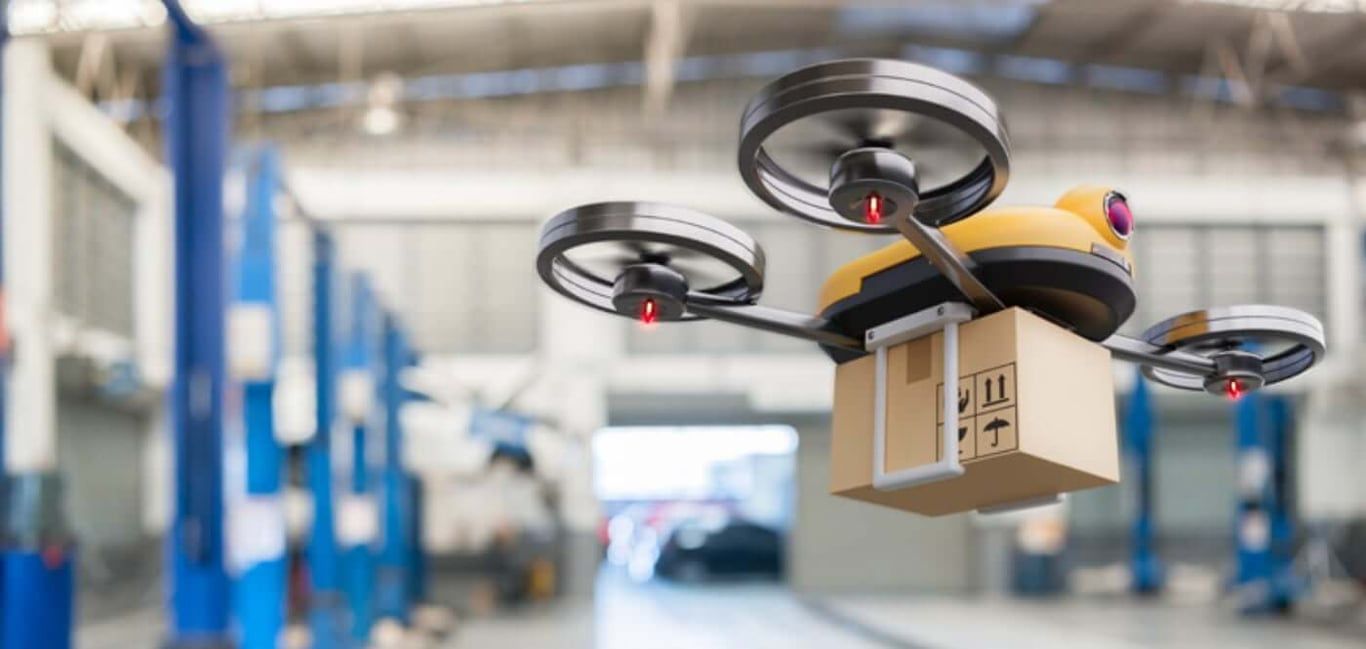
Drone Delivery and Smart Dispatch Models
Drone delivery models bring operational agility to dense urban and hard-to-reach areas. With AI, assignment and route decisions can be optimized in real time to reduce delivery duration.
These models improve last-mile economics while strengthening customer experience.
A Practical Roadmap for Leadership Teams
- Treat AI transformation as a staged program, not a one-off project.
- Prioritize data quality and integration architecture first.
- Use pilot KPIs to decide what should scale next.
- Track sustainability and cost goals in the same operating model.
Scalable Digital Growth for Logistics Brands
Webtures brings SEO, content, data, and performance marketing into one AI-focused strategy for logistics companies. The goal is not only traffic growth, but sustainable business outcomes tied to operational reality.
Projects Completed
Team Members
Years of Experience