The past, present, and future of podcasts
Explore how podcasting evolved, where the market is heading, and how transcripts and structured data turn episodes into AI-citable content assets.


The word podcast combines pod, from "iPod", with "broadcast". Once synonymous with iPods and portable media players, the podcast format has grown into a powerful content type consumed on phones, computers, tablets, smart speakers, and video platforms.
What separates a podcast from simply downloading an audio or video file is the feed structure most shows are distributed through. Subscribers automatically see new episodes of the shows they follow, and can download or listen to them whenever they choose.
Through podcasting, brands, creators, and publishers can build deeper connections with their audiences by producing regular audio or video shows on specific topics. The format works well beyond entertainment and conversation: education, business, technology, marketing, health, finance, and culture all benefit from it.
How podcasts contribute to GEO and AI search visibility
Podcasts were long seen as listen-only content, but today they carry far more strategic weight for digital visibility. AI-powered search systems are learning to interpret multi-format signals: not just written content, but audio, video, transcripts, show notes, episode titles, and speaker information.
Why produce listenable content, not just readable content?
Users no longer reach information only by reading. They listen to podcasts, watch videos, consume short-form content, and pull summaries from AI tools. Brands therefore need listenable and watchable formats in their content strategy. Podcasts are a powerful channel for demonstrating expertise, building topical authority, and communicating with users in a more natural voice.
Publishing the audio file alone is not enough for a podcast to gain value in AI search and GEO. The episode's transcript, a short summary, speaker details, the topics covered, and the sources cited should all be presented clearly on the page. That is what allows AI systems to understand the content, summarize it, and reference it in the right context.
What structured data do podcasts need?
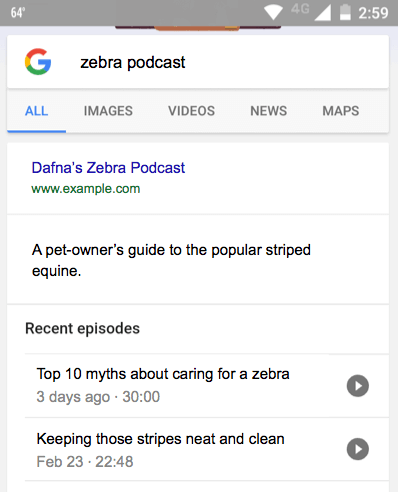
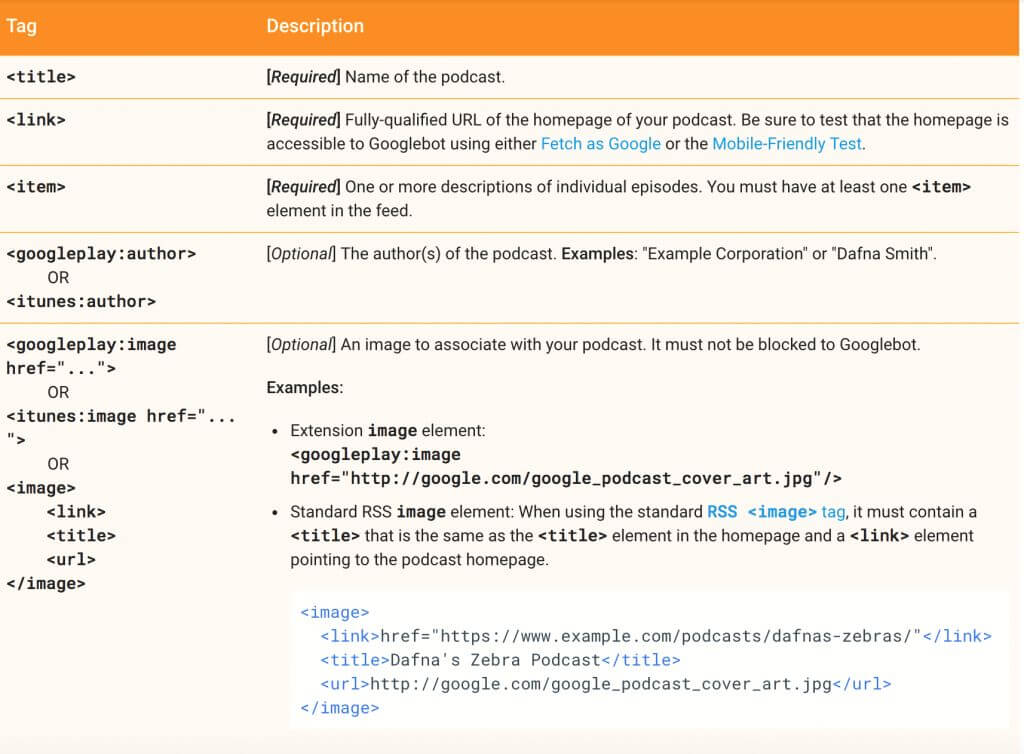
Structured data helps search systems and AI-powered answer engines understand podcast episodes with precision. Correctly marking up the show name, episode title, publication date, description, speakers, duration, artwork, and episode URL can improve the content's chances of being selected as a source.
How has podcast listener behavior changed?
Podcasting has outgrown its niche origins to become a powerful global content channel. Users now consume podcasts far beyond music apps: on YouTube, Spotify, Apple Podcasts, websites, social media clips, and newsletters.
This shift has turned the podcast from a purely audio format into a multi-channel content asset. A single episode can be repurposed as a full transcript, a short video clip, a social post, a blog summary, a newsletter item, and an information block that AI answers can reference.
Market growth and brand opportunities in podcasting
As the podcast market matures, advertising, subscriptions, brand partnerships, and video podcast formats have become more strategic. Dynamic ad insertion, measurable sponsorships, access to niche audiences, and content that can be repurposed across platforms create real opportunities for brands.
For brands, podcasting is no longer just "a new channel to enter early". It should be treated as a mature medium, planned with its costs, returns, reach, engagement, and expertise contribution all measured.
Where podcasts and AI search intersect
The search value of a podcast has shifted away from the audio file itself toward the transcript, episode summary, and topical context. Generative search systems may not always process audio directly, but they can readily read content that has been transcribed, structured with headings, and given clear context. An episode's AI search visibility therefore depends as much on the quality of the transcript you publish on your own site as on the platform hosting the show.
The practical takeaway comes down to three points. Publish a full transcript for every episode and name the speakers. Add a short summary paragraph to the episode page that directly answers the question the episode addresses. Bring the numbers, examples, and sources mentioned in the audio into the text; information that is spoken but never written may not be interpreted in the right context by AI systems.
The future of podcasts and GEO
Podcast content is becoming increasingly important in GEO work, because brand visibility no longer feeds on written content alone. Audio, video, transcripts, short clips, speaker authority, and multi-format production all contribute.
When launching a podcast website, the core question should not merely be "How do I drive traffic to this show?" The real question is "How do I turn this show into a content asset that AI systems can understand, summarize, and cite?"
How should a podcast site be structured for GEO?
If your website consists entirely of podcasts, you need to build textual context around the audio files. To do that:
- Group your podcasts by topic.
- Add an original description and a short summary for each episode.
- Publish full transcripts.
- Clearly name the people, brands, topics, and sources mentioned in each episode.
- Use internal links to connect related episodes and supporting articles.
- Apply appropriate structured data to podcast episodes.
This structure ensures your podcast content is not only listened to, but also more easily understood, summarized, and considered as a source by AI-powered search systems.
Our outlook for the future
Podcasts are becoming a key content format for voice search, video discovery, and AI-powered answer systems. As speech-to-text technology, transcript generation, and multi-format content analysis improve, the role of podcasts in digital visibility will only grow.
Podcast publishers should therefore focus on more than production quality. Transcripts, summaries, heading structure, sourcing, speaker information, episode page experience, and structured data all deserve attention. Well-built podcast content strengthens a brand's GEO visibility, perceived expertise, and selectability as a source in AI search.

Let us make your brand visible in AI search.
Share your goals, we'll come back with a custom growth plan within one business day. A strategy lead will reach out personally.
Get in touch